On May 2, 2009, at Santiago Bernabeu Stadium in Madrid, Pep Guardiola made a tactical change that helped redefine modern football. He moved Lionel Messi away from the right wing and placed him at the top of Barcelona’s attack, but not as a classic centre-forward. Instead, Messi was given a freer role: drop deep, receive the ball, and decide the next move. Samuel Eto’o shifted to the right and Thierry Henry to the left, creating a front line that was unpredictable and difficult to mark. Barcelona won 6-2, and the false nine concept was reborn on one of the biggest stages in world football.
The idea itself was not new. In 1953, Hungary’s Gusztav Sebes used Nandor Hidegkuti in a similar roaming role during the famous 6-3 win over England, with the forward dropping into midfield to disrupt defenders and open space for teammates such as Ferenc Puskas and Sandor Kocsis. Later, Johan Cruyff also operated as a roaming forward under Rinus Michels as part of the Total Football philosophy. Guardiola’s version with Messi, however, brought the idea into the modern era and turned it into a devastating attacking weapon.

For Real Madrid, Messi became a tactical puzzle with no clear answer. If centre-backs stepped out to follow him, they left empty space behind them. If they stayed in place, Messi found room to collect the ball between the lines and advance without pressure. Either choice created problems. With Xavi, Andres Iniesta and Yaya Toure providing support behind him, and Henry and Eto’o stretching the defence wide, Barcelona created a system in which every defensive reaction seemed to make the situation worse for Madrid.
Guardiola used the same idea again weeks later in the Champions League final against Manchester United. Messi responded by scoring with a header in the closing stages, showing that his role as a false nine was not only about movement and link-up play, but also about delivering decisive moments in the biggest matches.
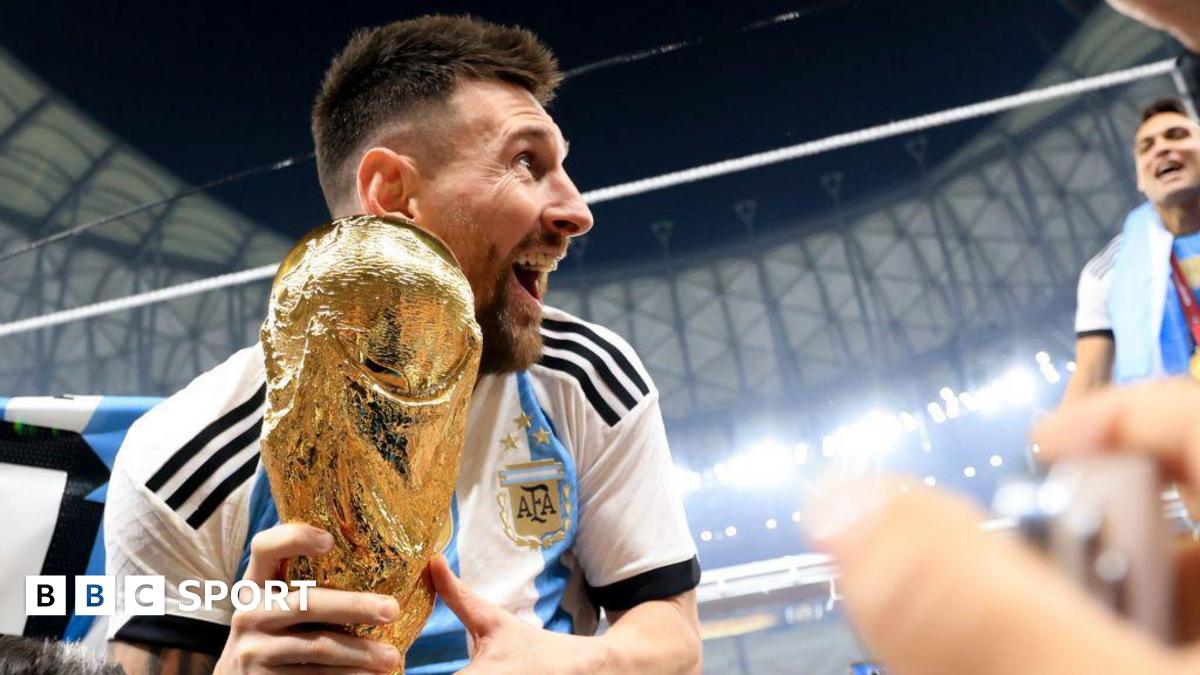
The tactical shift also helped launch Messi into one of the most productive periods of his career. Between 2011 and 2013, he scored 96 goals in 69 La Liga matches, numbers that underlined both his individual brilliance and the effectiveness of Barcelona’s system. The Ballon d’Or he received in 2009 was the first of many. He went on to win the award again in 2010, 2011, 2012, 2015 and 2019, eventually collecting eight in total. The first came when he was 22 years old, and the most recent when he was 36.
Messi later said that Guardiola changed the way he understood football. In a 2024 interview with journalist Juan Pablo Varsky, he explained that he had not paid much attention to tactics earlier in his career, but that working with Guardiola taught him a great deal about space, ball retention and how the game truly functions. The false nine role did not just transform Barcelona’s attack; it also helped shape Messi into a more complete and intelligent player.