Germany’s inheritance tax rules could hinder the growth of ground-mounted solar projects on agricultural land

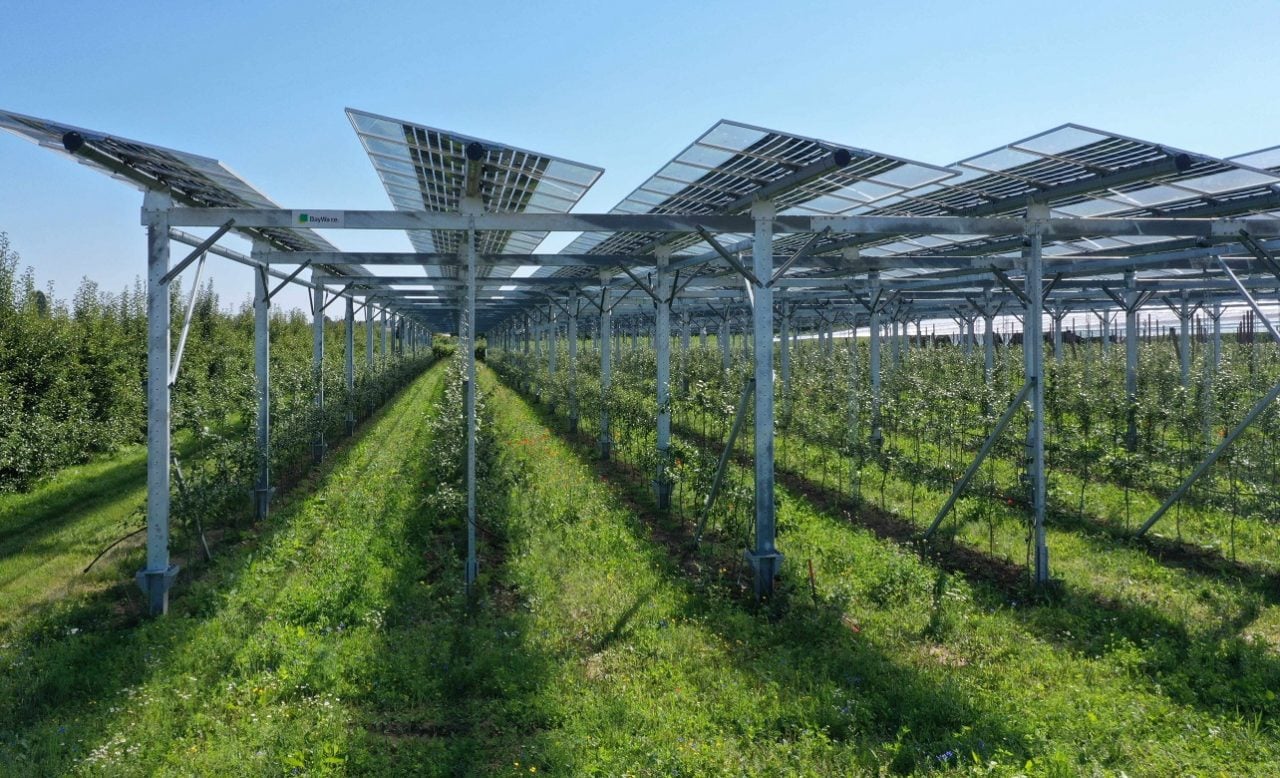
Germany’s inheritance tax rules may become a significant obstacle for the expansion of ground-mounted solar photovoltaic projects on agricultural land, according to industry concerns highlighted by PV Tech. The issue centers on how farmland used for solar installations is treated under tax law when it is transferred to heirs. Inheritance tax can create a financial burden for farm owners and families, potentially making it less attractive to keep land in solar use or to pass projects on to the next generation.
Ground-mounted PV has become an important part of Germany’s renewable energy strategy, especially as developers look for large plots of land that can support utility-scale solar generation. Agricultural land has often been seen as a practical option because it is widely available and suitable for low-profile solar arrays. But the economics of these projects depend not only on electricity revenues and planning rules, but also on how the underlying land is taxed over time. If inheritance taxes rise sharply when land is transferred, families may face difficult decisions about whether to retain, sell, or restructure holdings.

The concern is particularly relevant for Germany’s farming sector, where land ownership is frequently passed down through family generations. Many agricultural businesses rely on long-term continuity, and the introduction of solar projects can complicate that legacy. If tax treatment makes it more expensive to inherit land hosting solar assets, developers and landowners may encounter delays, financing challenges, or pressure to avoid these projects altogether. That could slow the pace of new solar capacity additions at a time when Germany is working to accelerate its clean energy transition.
The debate also reflects a broader policy tension between renewable energy expansion and farmland preservation. Ground-mounted PV can support decarbonization, diversify farm income, and improve the economics of underused land. At the same time, some stakeholders worry about the conversion of agricultural areas to energy generation and the administrative complexity that comes with it. Inheritance tax rules add another layer of uncertainty, especially if the tax framework does not clearly distinguish between productive agricultural use and land leased for solar generation.
For the solar industry, the message is that policy support must extend beyond subsidies and permitting. Stable fiscal treatment is also important for investment certainty. If inheritance tax rules are perceived as punitive or unclear, they could deter landowners from entering long-term solar agreements. That would matter not only for individual projects, but also for Germany’s broader renewable buildout, which depends on sustained private investment and land access.
The situation underscores the need for regulatory clarity. Developers, landowners, and policymakers may need to examine whether current inheritance tax provisions unintentionally discourage ground-mounted PV on farmland. If so, reforms could help align tax policy with climate and energy goals while protecting family farms from unexpected financial strain. As Germany continues to expand solar power, the way agricultural land is taxed and transferred may prove just as important as technical and market factors in determining how quickly ground-mounted PV can grow.