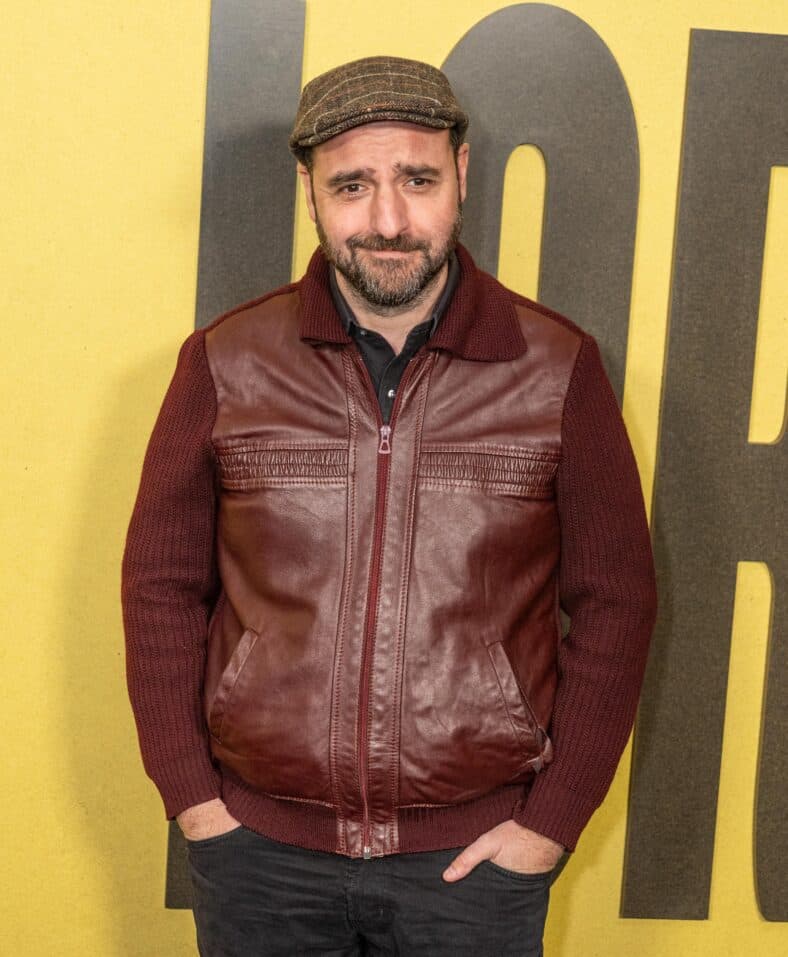
David Krumholtz, best known for playing Bernard the Head Elf in Disney’s holiday favorite “The Santa Clause,” says the film franchise pays him far less in residuals than many fans would assume. In a recent interview, the actor explained that the checks have shrunk over time because the movie is shown so frequently. He said residual payments follow a graded system, meaning each time a film airs again, the payout decreases. Krumholtz estimated that he now earns only about $150 a year from the long-running Christmas franchise, despite its enduring popularity and annual replay value during the holiday season.
The actor first appeared in “The Santa Clause” in 1994 alongside Tim Allen and returned for the 2002 sequel. He did not appear in the third film, released in 2006, but later reprised the role in Disney+’s 2022 series “The Santa Clauses.” Krumholtz noted that the residuals were once much better, especially in the earlier years after the movie’s release, but have since declined to a small amount because of the film’s ongoing exposure.

He also compared those earnings with residuals from Christopher Nolan’s 2023 film “Oppenheimer,” saying the newer project actually pays him more, though not by much. With a joke about the small size of the check, Krumholtz said his “Oppenheimer” residuals amount to $12.73, enough, as he put it, to buy a hot dog in New York. The comment underscored how modest residual payments can be even for major box-office hits and widely watched films.
Beyond discussing residuals, Krumholtz is currently promoting his work on stage and screen. He is set to appear in the upcoming “Supergirl” film and is starring in the New York City Center revival of “Are You Now or Have You Ever Been.” The play, based on transcripts from the House Committee on Un-American Activities hearings in the 1940s, examines the pressure artists faced when accused of communist ties. Krumholtz plays comedy writer Abe Burrows and said the story resonates with modern debates over public shaming and cancellation. He described the period as a form of “cancel culture” in another era, adding that he would do whatever he could to protect his career if faced with an unjust attack.
Krumholtz also spoke about a serious health scare he revealed last year, saying he nearly died after developing cannabinoid hyperemesis syndrome, a condition linked to long-term marijuana use that can cause repeated severe vomiting. He said he returned to smoking after a long break and eventually became a daily user before the illness forced him to confront the dangers. He has since suggested that stronger modern cannabis products may be contributing to rising cases of the syndrome.