Karnataka Minister R. Ramalinga Reddy Resigns, Cites Repeated Humiliation and DK Shivakumar’s ‘U-Turn’

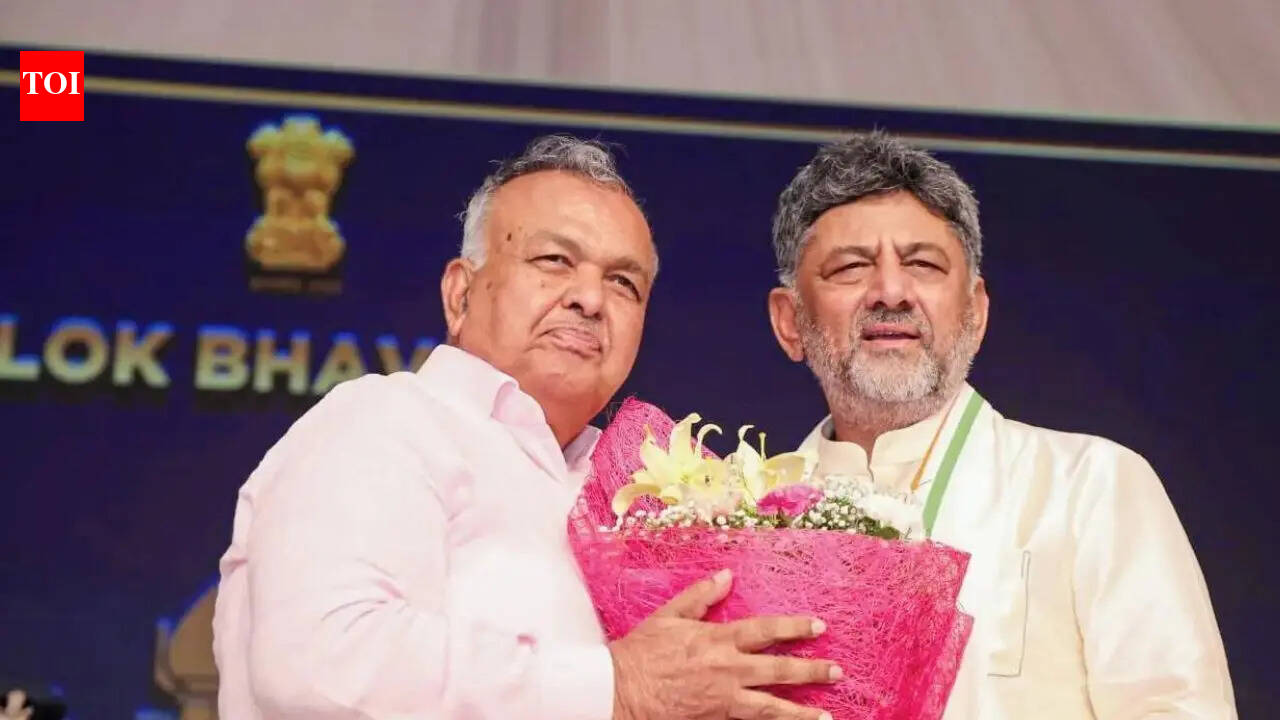
Senior Congress leader and Karnataka minister R. Ramalinga Reddy resigned from the state cabinet just two days after taking oath, citing deep dissatisfaction over the portfolio assigned to him. His resignation came on Friday in Bengaluru and unfolded while Congress leader Rahul Gandhi was in the city, adding political sensitivity to the development. Reddy said he felt “humiliated” repeatedly and could no longer continue in the ministerial role after what he described as a broken assurance over the Bengaluru development portfolio.
Reddy claimed that Chief Minister D. K. Shivakumar had earlier promised him the Bengaluru development department in 2023, with an understanding that he would receive it once Shivakumar became chief minister after two and a half years. According to Reddy, that assurance was later reversed, which he described as a “U-turn” by the chief minister. He said the issue was not about anger but disappointment, and that the handling of the cabinet allocation left him unable to work against his conscience.


Despite stepping down from the ministry, Reddy made it clear that he would remain in the Congress party and continue as a party MLA. He said he has been with the Congress for 53 years and has no intention of leaving the party. He also said he would not personally hand over his resignation to the chief minister, but would send it through his personal secretary to the chief minister’s office.
The resignation highlights possible friction within the Karnataka Congress government over cabinet portfolio distribution. Reddy’s comments suggest that the disagreement is linked not only to his personal dissatisfaction, but also to broader internal negotiations and expectations around ministerial responsibilities. The episode has drawn attention because it surfaced so soon after the new cabinet’s swearing-in, making it an early test for the government’s internal cohesion.
Reddy’s resignation is significant because he had only recently taken oath as minister during the swearing-in ceremony of the new Karnataka government at Lok Bhavan in Bengaluru. His quick exit from the cabinet underscores how sensitive portfolio allocation can be in coalition-style political arrangements and within party structures where senior leaders may expect specific departments based on prior understanding.
By publicly voicing his displeasure, Reddy has brought internal party tensions into the open at a time when the Congress government is seeking stability. His insistence that he will remain loyal to the Congress, even while stepping away from ministerial responsibility, reflects an effort to separate his personal grievance from his commitment to the party.
The development is likely to intensify discussion within the Karnataka Congress leadership over how cabinet roles are assigned and how assurances to senior leaders are managed. For now, Reddy’s resignation has become a notable political setback for the newly formed government and a signal of unresolved differences inside the cabinet.