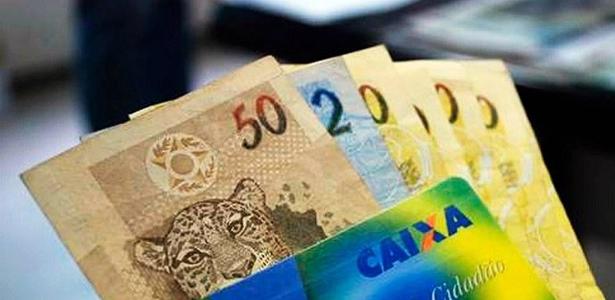
The Pix payment system has become the center of a political and trade dispute between Brazil and the United States, after Washington concluded a major commercial investigation that accused Brazil of unfairly favoring its national instant-payment platform. The report, issued under Section 301 of the 1974 Trade Act, said Brazil was harming American companies that compete in electronic payment services and alleged that the Central Bank’s rules gave Pix preferential treatment. The U.S. government said the Brazilian state acts as both regulator and operator of the system, creating a conflict of interest, and argued that some requirements, including prominence for Pix in banking apps and the obligation to offer the service without fees to customers, disadvantage U.S. providers. Based on those findings, the U.S. proposed tariffs of 25% on Brazilian products, with talks expected to continue until July 15.
The dispute quickly entered Brazil’s domestic political debate. President Luiz Inácio Lula da Silva reacted by holding a sign reading “Pix is Brazil’s,” saying the U.S. criticism was based on a lie. He also mocked former U.S. President Donald Trump, suggesting he should adopt Pix in the United States rather than fear it. The following day, Senator Flávio Bolsonaro, who is also running for president, displayed a sign saying “Pix is Brazil and Bolsonaro’s,” and argued that the payment system is not under threat. He claimed Pix was created under former President Jair Bolsonaro and said it should not be portrayed as a disputed issue.


Pix, however, was not created by a single government or president. According to the Brazilian Central Bank, the idea for a low-cost, real-time retail payment system first appeared in 2014, during Dilma Rousseff’s administration. Development began in 2018, under Michel Temer, when the Central Bank created a working group for instant payments. Later that year, the bank published the core requirements for the system. The technological infrastructure started being built in 2019, during Bolsonaro’s presidency, the Pix brand was launched in early 2020, and the system began restricted operation in November 2020 before becoming fully available later that month.
Since then, Pix has transformed Brazil’s financial landscape. It allows instant transfers between accounts at any time of day, across banks, savings accounts, and prepaid accounts. The Central Bank says more than 170 million people in Brazil have used it, representing about 80% of the population, and the system has handled trillions of reais in transactions. It also set a record in December 2025 with 313 million transactions in a single day.
Supporters say Pix has strengthened competition, helped fintechs and digital banks grow, and made Brazil a global reference for digital payments. Critics of the U.S. report say it overlooks Pix’s role as a public payment infrastructure that improves access, lowers costs, and boosts financial inclusion. The Brazilian banking federation rejected the American conclusions, saying they were based on incomplete information and that Pix is not a commercial product but a payment rail that benefits the broader economy.


/https://i.s3.glbimg.com/v1/AUTH_da025474c0c44edd99332dddb09cabe8/internal_photos/bs/2026/z/Q/D0xoKzSE20FSKYQoK7Mw/arte-2026-05-20t234405.967.png "Ex-chefe da comunicação de Flávio diz ter sido alvo de “ataques covardes” na campanha após crise de mensagens entre o senador e Vorcaro")