World Cup 2026: Former Man Utd midfielder Zidane Iqbal set to become first Pakistani player at the tournament

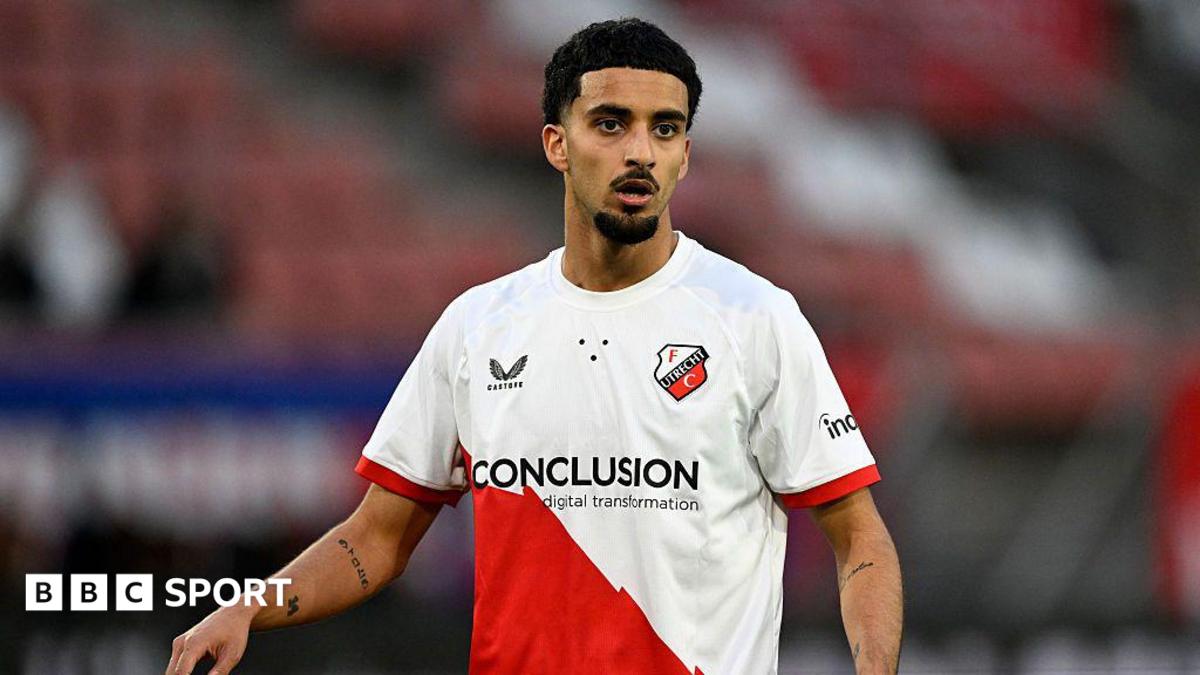
Former Manchester United prospect Zidane Iqbal is set to make men’s World Cup history for Iraq, with the possibility of becoming the first player of Pakistani heritage to appear in a men’s World Cup match. The significance reaches far beyond Iraq’s campaign, because it would mark a landmark moment for Pakistan, a football-mad nation of more than 240 million people that has never reached a men’s World Cup.
Pakistan’s absence from football’s biggest stage has been stark. The country is ranked 198th in the world by FIFA and has won only one qualifying match in its history. For generations, Pakistani fans have had no one to support at the tournament as a representative of their own heritage. Iqbal’s potential appearance would change that, creating a historic first for the country’s football community and for supporters across South Asia.
Iqbal, who now plays for Utrecht, was born and raised in Manchester. He represents Iraq at international level through his mother, while his father is Pakistani. His family background has shaped both his identity and his pride in representing more than one nation. He said he was surprised to learn that he would be the first player of Pakistani heritage to feature in a men’s World Cup, adding that he had not realized the significance himself until the story was pointed out to him.
The midfielder said he immediately sent the news to his father after seeing it online, and described the moment as unexpected but meaningful. He also spoke warmly about his father’s influence on his career, calling him the person he respects most in life and someone who supported him throughout his development as a footballer.
Iqbal’s connection to both Iraq and Pakistan is visible on the pitch as well. He wears both national flags on his boots, with the Iraqi flag on his left side and the Pakistani flag on his right. He said this choice reflects equal respect for both sides of his family and the heritage he carries with pride. When asked whether he feels more closely connected to one country than the other, he said he cannot separate them, describing both as equally important to him.
For Pakistan, Iqbal’s potential World Cup appearance would carry symbolic weight well beyond the match itself. It would not change the country’s lack of qualification, but it would offer a moment of representation on football’s biggest stage and a source of pride for Pakistani fans around the world. For Iqbal, it would also be a personal milestone, linking his career in Europe and his international journey with the family history that continues to shape him.