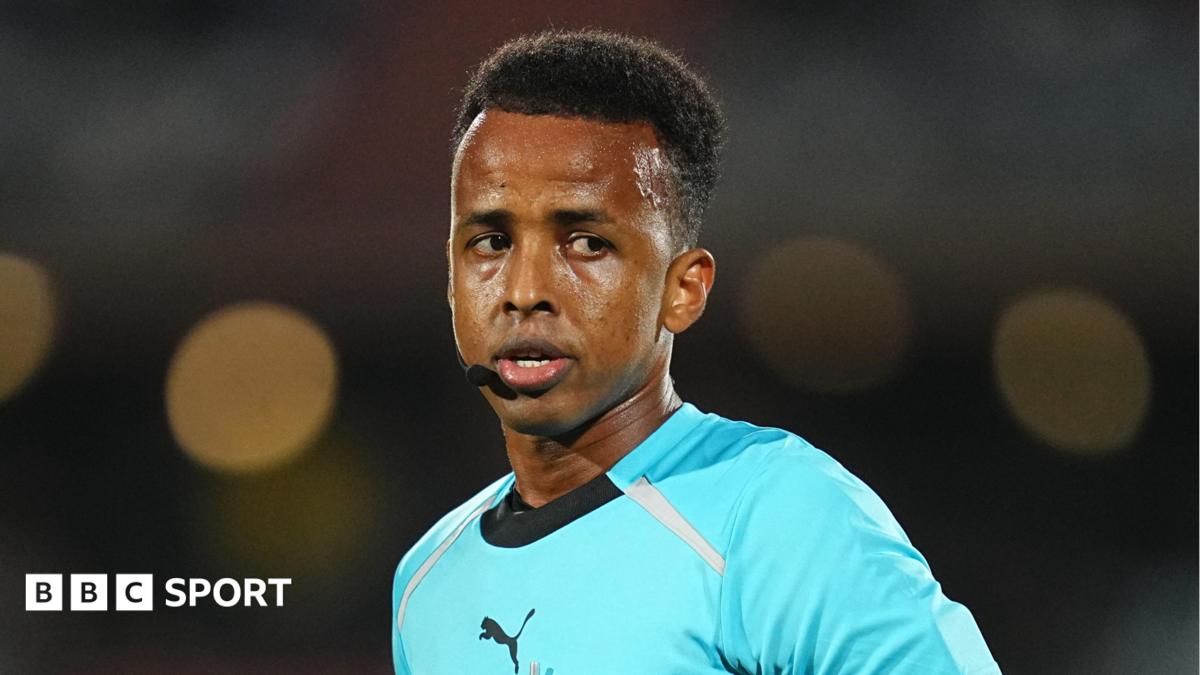
Somali referee Omar Artan will receive his full World Cup tournament fee even though he was denied entry to the United States and will not officiate at the competition. Artan was stopped at Miami International Airport on Monday after being questioned by US immigration authorities for 11 hours. He was ultimately refused entry after his diplomatic passport and single-entry US visa were rejected.
A US government official said Artan was barred from entering the country because of an alleged association with suspected members of terror organisations. Artan has said border officials questioned him about possible links to the Somali militant group Al Shabab, but he told them he had no knowledge of the group. He maintained that he had the correct travel documents and was travelling for the tournament as a referee.


“I had the right papers and everything. I had the right visa,” Artan said, adding that he was trying to fulfil “the biggest dream” of his life by coming to the World Cup.
After being sent back on a flight to Turkey, Artan received assistance from FIFA officials in Istanbul before continuing on to Mogadishu, the Somali capital. Although he will take no part in the World Cup, sources told BBC Sport that FIFA has committed to paying his salary in full.
World Cup referees are not told in advance the exact fee they will earn, as payments are made only after the tournament concludes. In Artan’s case, that means he will still be paid despite being unable to work at the finals.
The case has drawn attention because it highlights both the strict scrutiny applied to international arrivals in the United States and the uncertainty faced by officials and players travelling to major sporting events. For Artan, the journey ended before it began, despite years of preparation for the opportunity to officiate on football’s biggest stage.
His experience underscores the difficult position of referees and other tournament staff who depend on international clearance to carry out their roles. Even without taking part in a match, Artan remains entitled to the fee tied to his appointment at the World Cup, according to BBC Sport sources.
The incident also raises questions around visa enforcement, border security and how sporting bodies respond when accredited tournament personnel are prevented from entering the host country. While Artan’s hopes of refereeing at the World Cup were dashed, FIFA’s decision to honour his payment means he will not lose the financial reward associated with his selection.