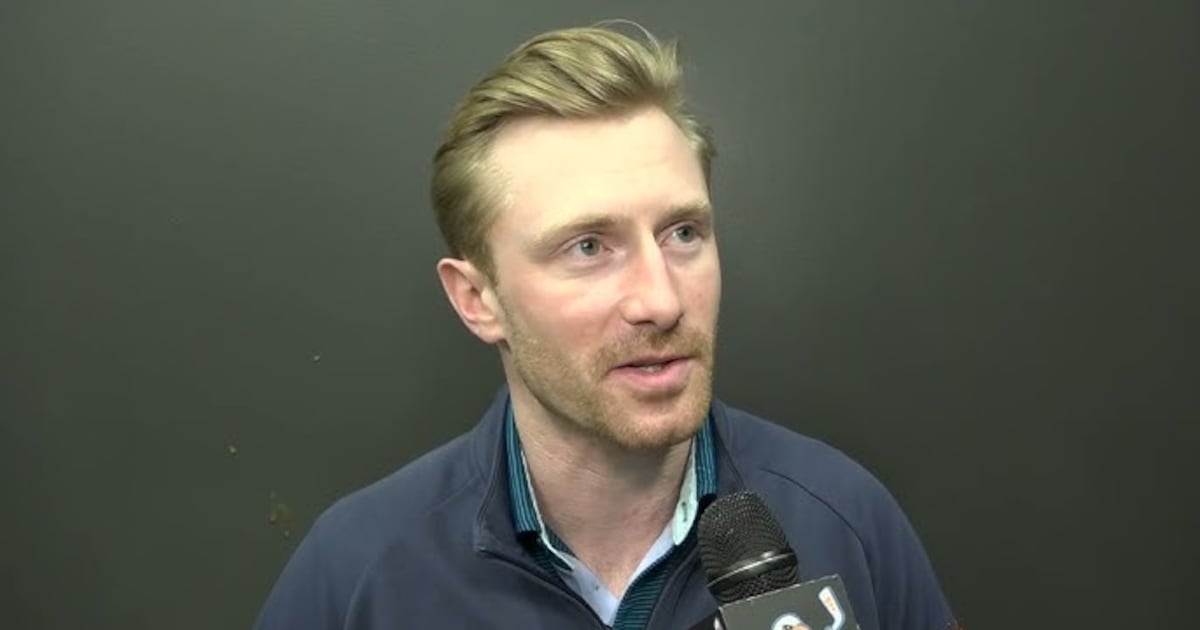
Tamy Michel grew up in a family deeply tied to Haitian football, with generations who kept Baltimore SC alive through prison, political upheaval and political instability in Haiti. Today, she represents players at the top of the global game, including Ricardo Adé, Jean-Ricner Bellegarde, Wilson Isidor and Haiti’s all-time leading scorer, Duckens Nazon. For Michel, Haiti’s return to the World Cup after 52 years is not simply an underdog story, but evidence of a team and a country long underestimated by outsiders.
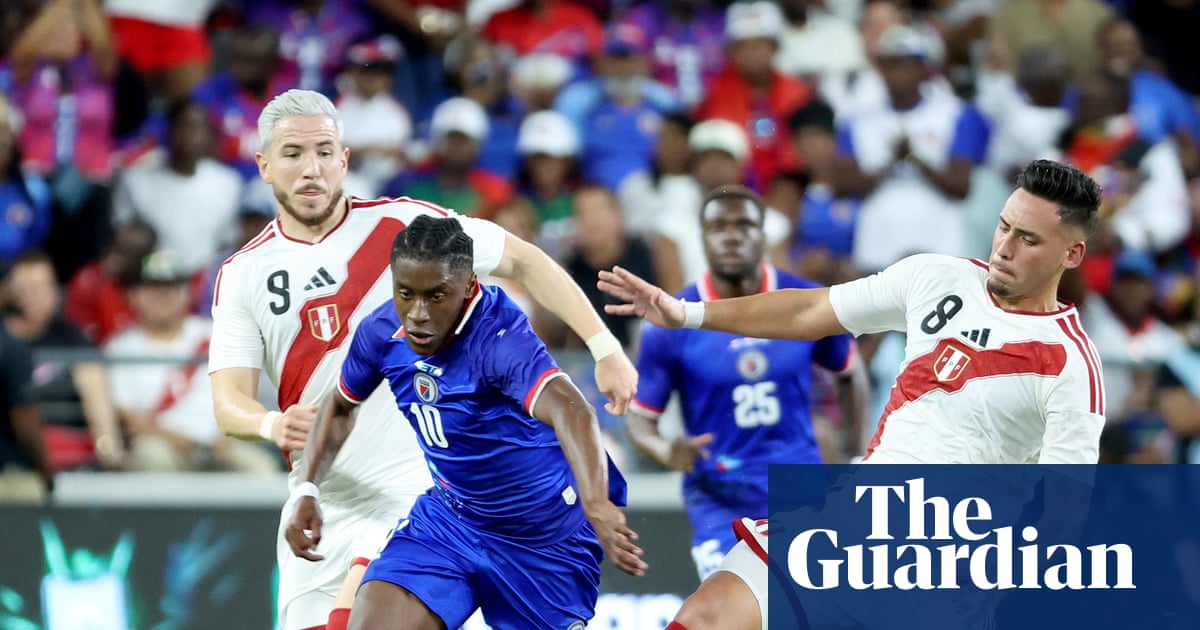
Haiti reached the 2026 World Cup despite playing every qualifier away from home. Only 10 of the 26 players in the squad were born in Haiti, but Michel rejects the idea that the team is merely a diaspora selection. She sees a true national side, united by family ties and a shared decision to represent the country. Players such as Bellegarde, who was born and raised in France and came through the French system, chose Haiti because of identity, heritage and connection to home.

/https://i.s3.glbimg.com/v1/AUTH_b0f0e84207c948ab8b8777be5a6a4395/internal_photos/bs/2026/3/L/wGnbtcRsSDAcLgYQyzsQ/quem-abre-gabi-2026-06-12t154729.801.png "Xande de Pilares and Thay Pereira’s Wedding in Rio De Janeiro Draws Famous Guests; See Who Attended")
The squad reflects both the reach of Haitian football and the many different paths that led its players there. Bellegarde plays for Wolves, Isidor has just completed a Premier League season with Sunderland, Nazon has built a career across several countries, and Adé is one of the most respected defenders in South America. Their presence gives Haiti a team with experience, quality and international pedigree.
Haiti’s story on the world stage carries a deeper meaning. The country was the first independent nation founded by formerly enslaved people after a successful revolt, and that history remains central to Haitian identity. This year, that legacy clashed with football authorities when Fifa asked the team to remove revolutionary imagery from a World Cup jersey. Similar concerns had previously been raised about Olympic uniforms featuring Toussaint Louverture. For many Haitians, these disputes underscored how often the country’s real history is overlooked.
Ricardo Adé, who grew up in Haiti before playing abroad, says the team carries responsibility beyond results. He speaks of the joy football brings back home, where wins are celebrated in the streets and the national team has become a source of pride. He also says the World Cup is an opportunity to show a different side of Haiti to millions of viewers who usually hear only about violence, disaster and political crisis.
The Haitian diaspora has become a major force behind the team. With no home matches since 2021, support has followed Haiti across borders, from Miami to Montreal and beyond. Large crowds of Haitian fans have already turned friendly matches into home-like atmospheres, and similar scenes are expected at World Cup venues. The team’s upcoming match against Brazil on Juneteenth in Philadelphia is likely to draw supporters from across North America.
For Michel and Adé, the tournament is about more than football. It is a chance to present Haiti as resilient, ambitious and united. Haiti has history at the World Cup, from Emmanuel Sanon’s famous goal in 1974 to Joe Gaetjens’ role in the United States’ shock win over England in 1950. Now, after decades away from the sport’s biggest stage, Haiti is back with a team that hopes to tell its own story.