Former Fox News host Tucker Carlson sparked controversy after telling viewers on his online show that they should stop paying their credit card bills, comparing major lenders to drug dealers who profit from vulnerable people. On the Monday, May 25 episode, Carlson rejected the idea that borrowers have a strict moral duty to repay credit card debt, arguing that banks also bear responsibility when they aggressively market cards to young adults and other consumers who may be financially vulnerable.
Carlson said that the burden should not fall entirely on borrowers, especially when lenders knowingly extend credit in ways that can trap people in cycles of debt. He compared the relationship between credit card companies and customers to the dynamic between drug dealers and addicts, suggesting that institutions selling debt should be held accountable for the harms that follow. He also dismissed the ethical concern around refusing repayment, saying he would not strongly judge someone for failing to pay back a lender in such circumstances.

The remarks quickly drew backlash online. Critics accused Carlson of promoting financial recklessness and ignoring the serious consequences of unpaid credit card debt, including damaged credit scores, collection actions, lawsuits and, in some cases, wage garnishment. The comments also landed amid broader public concern over rising consumer debt and high interest rates, which have made repayment more difficult for many households.
The segment took place during an episode that also touched on Satanism, reflecting Carlson’s recent shift toward more provocative and unconventional subjects on his platform. In recent weeks, his show has increasingly moved away from a primary focus on foreign policy and toward a mix of religion, conspiracy-driven themes and political commentary. One earlier interview featured Sean Stone, who made claims about hearing “demonic voices” while connected to the Freemasons.
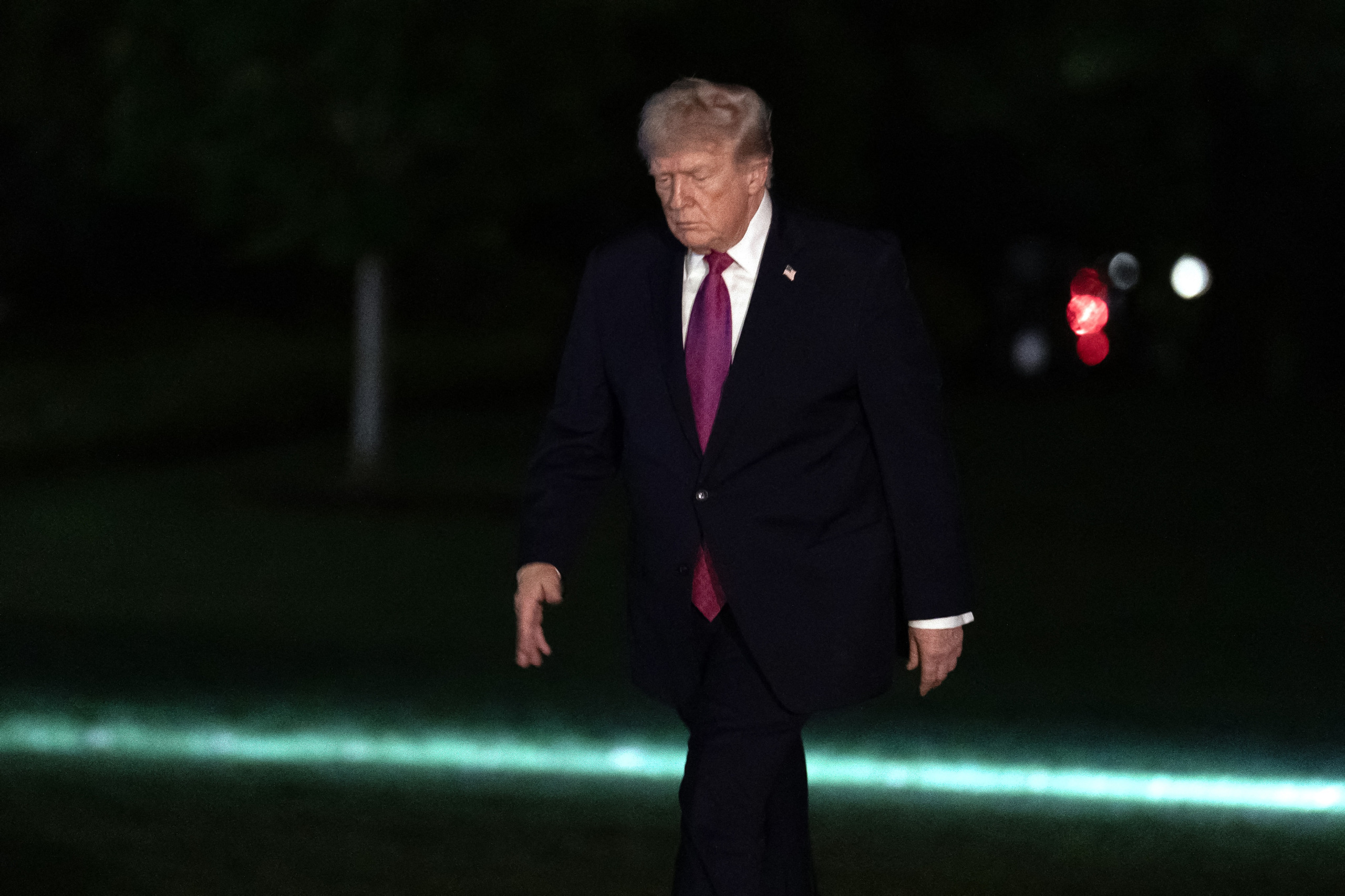
Carlson’s latest comments come as he continues to distance himself from former political allies, including President Donald Trump. His criticism of Trump’s handling of the Iran conflict has strained their relationship and fueled tensions within parts of the MAGA movement. Trump recently responded by mocking Carlson as “low IQ” and publicly separating him from the conservative coalition that helped build both of their political profiles.
The episode underscores Carlson’s continued evolution as a media figure willing to take highly confrontational positions on debt, politics and culture. His remarks about credit cards, while framed as criticism of lenders, immediately raised questions about personal responsibility, the power of financial institutions and the broader message being sent to consumers already under pressure from inflation, borrowing costs and household debt.