Brexit: A Very British Civil War presents the story of Britain’s EU referendum campaign as a fast-moving political satire, mixing documentary interviews with a strong sense of irony and humour. Covering the period from the 2015 general election to the referendum result, the two-part film focuses less on solemn analysis and more on the personalities, rivalries and absurd moments that shaped the Brexit debate.
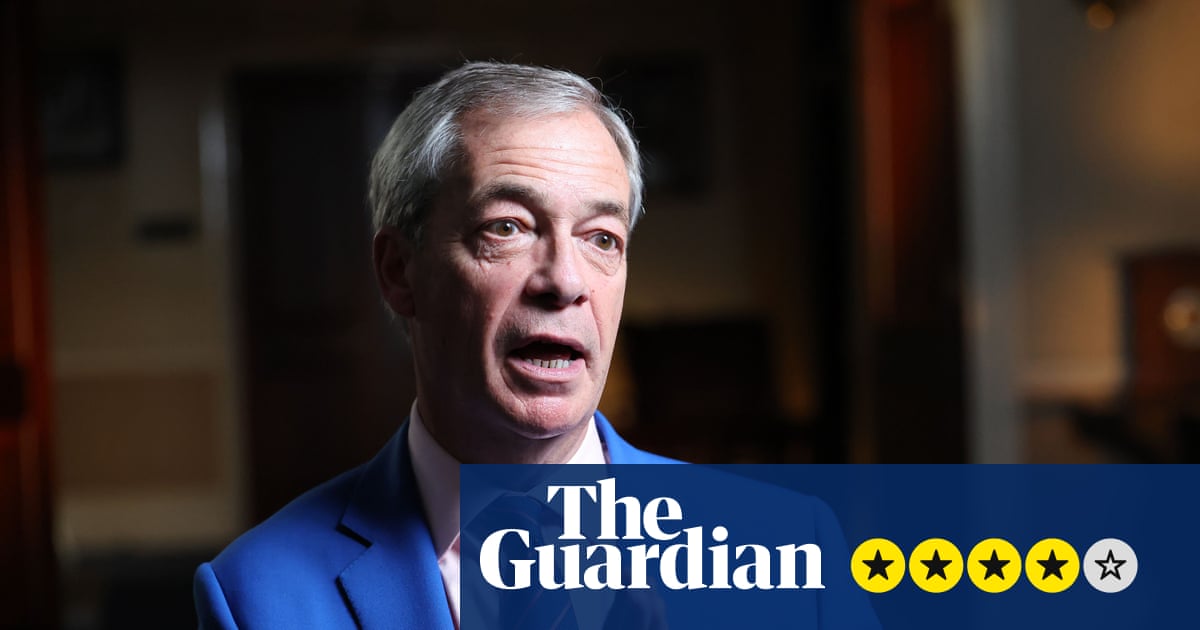
The documentary features many of the era’s central figures, including Nigel Farage, Boris Johnson, David Cameron, George Osborne, Jeremy Corbyn, Gordon Brown and Michael Gove. Through their recollections and archive material, the programme builds a picture of a political landscape defined by ego, opportunism and confusion. Dominic Cummings is notably absent, while Peter Mandelson appears with a disclaimer about his later links to Jeffrey Epstein.

Rather than presenting Brexit as a dry constitutional struggle, the film leans into the comedy and chaos that surrounded it. It revisits memorable campaign imagery such as the red bus, the purple bus, public stunts, and bizarre campaign moments that helped turn the referendum into a spectacle. Johnson is portrayed as especially theatrical, while Farage emerges as a flamboyant and unpredictable presence. The documentary also includes self-serving or contradictory explanations from the politicians involved, adding to its comic tone.
Despite its playful style, the film still offers insight into the political calculations behind the referendum. Cameron, Osborne, Brown and Corbyn each describe their attempts to shape public opinion, even as the remain campaign appears increasingly disorganised. One of the documentary’s key turning points is the government’s awkward remain launch, which is shown as a sign of how badly the campaign was going. The programme suggests that by the time Johnson switched sides to support leave, the referendum outcome was beginning to tilt decisively.
Family and personal relationships are also used to illuminate the political drama. Johnson’s decision is framed partly through the influence of his ex-wife Marina Wheeler and the cautious views of his sister Rachel, while Johnson himself insists his move was the result of reflection rather than ambition. These details help the documentary build its case that Brexit was shaped not only by policy but by private loyalties, resentments and rivalries.
The film concludes with the day after the referendum, ending on the chaos of David Cameron’s resignation and Johnson’s uncertain response. Its abrupt finish leaves viewers with the sense that the turmoil was only beginning. While some may feel that the documentary trivialises one of the most consequential political events in modern British history, it succeeds as a sharply edited and highly entertaining account of a moment that was both dramatic and absurd.