Steven Spielberg has voiced strong concerns about artificial intelligence in filmmaking, saying he sees value in AI for practical and scientific uses but not as a replacement for human creativity in Hollywood. In a recent appearance on Michelle Obama and Craig Robinson’s “IMO” podcast, the Oscar-winning director said AI could help solve medical problems and reduce time-consuming production tasks, such as location scouting, but he rejected the idea of AI taking part in core creative decisions. Spielberg said he does not want AI to write dialogue, decide camera placement, or dictate how a set should look, emphasizing that creative work should remain guided by human judgment and imagination.
The “Jaws” and “E.T.” filmmaker argued that there is no substitute for the “soul” in storytelling, and he said he does not believe a computer can truly feel or possess sentience in a way that matches human experience. For Spielberg, AI should function only as one tool among many in the filmmaking process, similar to how production designers or other departments may use technology to support their work. He drew a clear line between using AI to improve efficiency and allowing it to influence artistic choices that shape the final film. His comments reflect a broader concern in the entertainment industry that machine-generated content could weaken the emotional and human qualities that define movies.
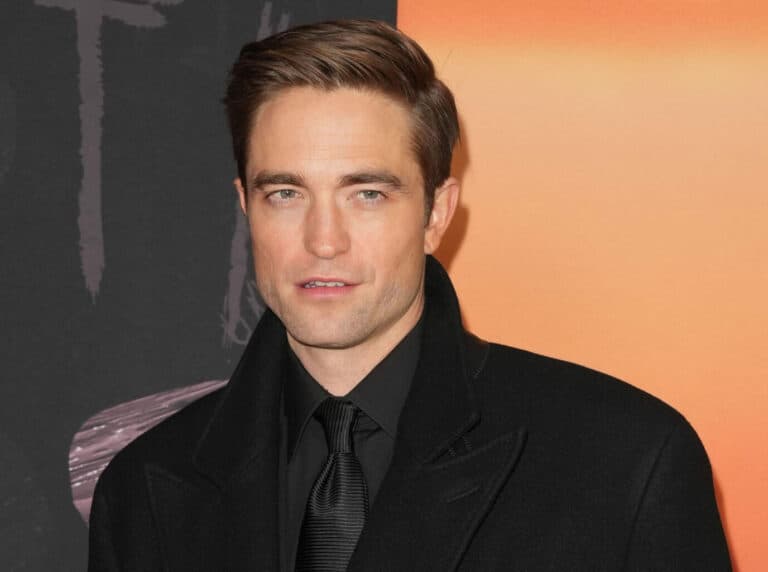
Spielberg is not the only major figure in Hollywood to warn against AI’s role in art. Actor Leonardo DiCaprio has also criticized AI-generated creativity, saying that anything truly considered art must come from a human being. DiCaprio previously argued that even impressive AI-generated mashups may draw attention online, but they lack the humanity and lasting emotional connection that make art meaningful. He suggested that such content may enjoy brief popularity before fading into the endless stream of internet material.
The debate over AI in entertainment continues to grow as studios, writers, actors, and directors wrestle with how much the technology should be used in scripts, visual effects, voice generation, and production planning. Supporters of AI say it can make filmmaking faster and more efficient, while critics argue that overreliance on the technology could erode originality, authorship, and the human voice at the center of storytelling. Spielberg’s remarks add further weight to the argument that AI should remain a support tool rather than a creative authority in filmmaking.




/https://i.s3.glbimg.com/v1/AUTH_da025474c0c44edd99332dddb09cabe8/internal_photos/bs/2026/B/v/WGxyfiQ9WwJOYqppcAaw/arte-2026-05-25t113053.941.png "Caetano Veloso reage ao ouvir nome de Virginia Fonseca e diz: “Sou um alienado”")