Mark Zuckerberg, co-founder and chief executive of Meta, holds a similar mix of different share classes in the company, which owns Instagram, Facebook, and WhatsApp. Despite this ownership structure, his voting control amounts to about 60% of Meta’s shares, a level that is significant but still far below the degree of control Elon Musk has over SpaceX.
The comparison highlights how control in major technology companies can differ sharply from simple ownership percentages. In Meta’s case, Zuckerberg’s influence comes not only from the shares he owns, but also from the dual-class structure that gives him greater voting power than ordinary shareholders. This arrangement has long allowed him to maintain strong authority over the company’s direction, leadership decisions, and long-term strategy.


However, the reported 60% voting control indicates that his position is not absolute. Shareholders outside Zuckerberg’s control still retain a meaningful role in corporate governance, at least in theory. That makes Meta’s structure more balanced than companies where a founder has near-total command.
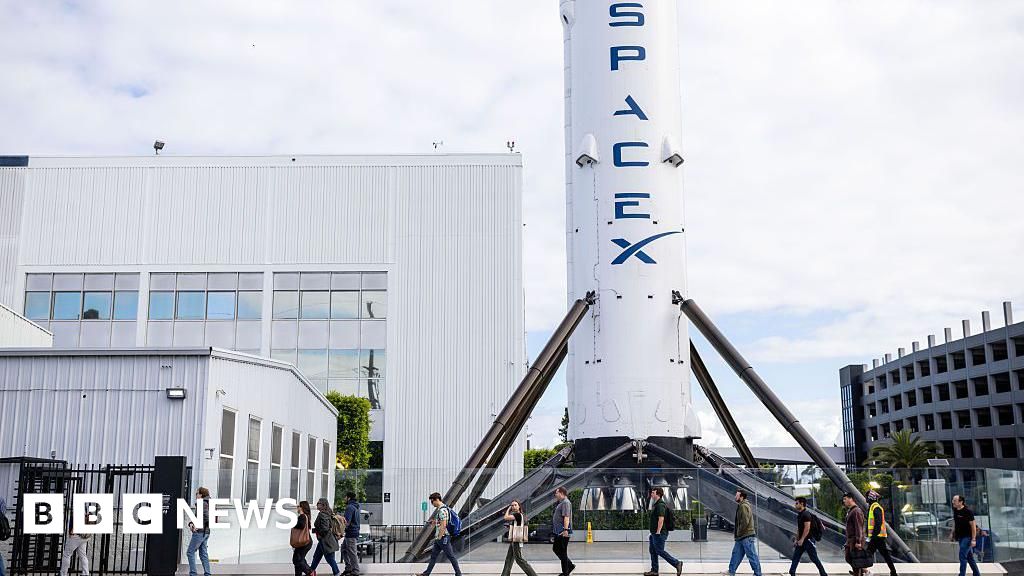
By contrast, the reference to Musk’s control of SpaceX underscores just how unusually concentrated authority can be in privately held companies. Musk is known to wield exceptional influence over SpaceX, giving him a degree of command that exceeds Zuckerberg’s position at Meta. The comparison suggests that while Zuckerberg remains one of the most powerful executives in the technology industry, his control is comparatively limited when measured against Musk’s grip on SpaceX.
The difference also reflects the broader contrast between public and private company structures. Meta is publicly traded, with a wide base of investors and regulators, while SpaceX is privately held and more tightly controlled. That distinction often affects how much decision-making power a founder can retain, how accountability is enforced, and how easily other stakeholders can challenge leadership.
Zuckerberg’s share structure has been a defining feature of Meta for years. It has enabled him to steer the company through major strategic shifts, including expansions into mobile, virtual reality, and artificial intelligence. Supporters argue that such concentrated control helps founders pursue long-term innovation without excessive pressure from short-term market demands. Critics, however, say it reduces shareholder influence and concentrates too much power in one individual.
The comparison with Musk also draws attention to how modern technology giants are shaped by founder dominance. In both cases, the founders’ control extends beyond financial ownership and into the governance of companies that play major roles in global communications, social media, and emerging technologies.
Ultimately, the statement underscores that Zuckerberg’s control of Meta is substantial, but not as extreme as Musk’s control of SpaceX. It illustrates the continuing tension in the tech industry between founder-led vision and shareholder oversight, and how corporate structures can preserve extraordinary influence for a small number of individuals.


/https://s01.video.glbimg.com/x720/14672840.jpg "Estevão Surprised Doctor After New Thigh Exam")