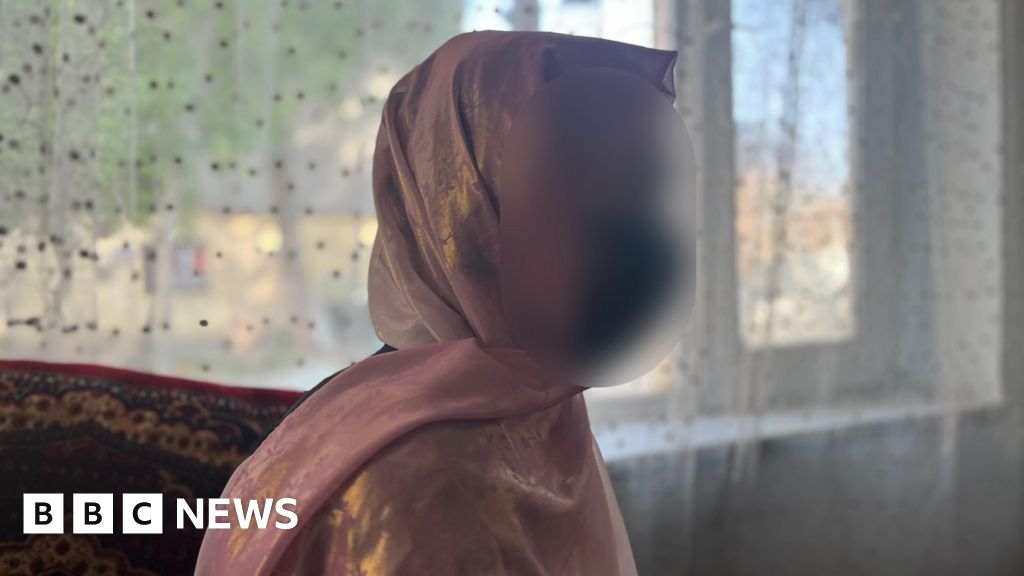
Last year, a taxi journey with her female cousin became an extraordinary and risky experience in Afghanistan, where strict Taliban rules have made ordinary travel for women increasingly constrained. Both women were fully covered from head to toe, with only their eyes visible, in line with the requirements imposed on women’s appearance and movement. Even so, the trip carried real danger because Taliban inspectors could stop them at any moment and question whether they were traveling in violation of the rules.
Under Taliban enforcement, women face restrictions not only on dress but also on mobility. One of the most significant controls is the ban on women traveling long distances without a male relative accompanying them. That rule has turned simple journeys into potential confrontations with authorities and has made travel a calculated risk for many Afghan women. In this context, even a taxi ride with a cousin could be seen as exceptional, since it required careful navigation of the restrictions and constant awareness of possible inspection.


The account highlights how daily life for women in Afghanistan has been reshaped by the Taliban’s policies. Actions that might once have been routine, such as taking transport to another city or visiting relatives, now carry the possibility of punishment, delay, or scrutiny. The presence of inspectors enforcing these restrictions creates an atmosphere of fear and uncertainty, where women must weigh necessity against the risk of being stopped.
The story also reflects the broader impact of the Taliban’s return to power on women’s freedom of movement. Clothing rules, travel limitations, and the requirement for a male escort combine to limit independence and make women’s lives more dependent on male relatives or compliant circumstances. For those who must travel, every trip can involve concealment, caution, and the possibility of being challenged for simply being in transit.
By describing the journey as both exceptional and risky, the account underscores the severity of the restrictions and the extent to which they affect even the most ordinary aspects of life. The taxi ride was not merely a means of transportation; it was an act shaped by fear, compliance, and uncertainty in a country where women’s public presence is tightly monitored.
The experience serves as a stark example of how Taliban rules have transformed mobility into a form of controlled behavior, especially for women traveling without men. It illustrates the tension between basic human movement and the enforcement of social restrictions that govern dress, companionship, and distance. In Afghanistan, what might elsewhere be an unremarkable trip can become a moment of danger, secrecy, and resistance.




/origin-imgresizer.eurosport.com/2026/05/24/image-8c224dfa-8f3b-4aeb-b9aa-12ff64707cb6-85-2560-1440.jpeg "Roland-Garros 2026: Ugo Humbert, the unlikely clay-court contender chasing big emotions in Paris")

/https://i.s3.glbimg.com/v1/AUTH_59edd422c0c84a879bd37670ae4f538a/internal_photos/bs/2026/g/R/stLy9jRcCKQCtQVeS6DQ/globo-canal-4-20260521-2000-frame-81952.jpeg "FGTS libera mais de R$ 16 bilhões na próxima semana para saques e pagamento de dívidas no Desenrola 2.0")