Neon co-founder and CEO Tom Quinn said he would not want to work inside a major studio system, arguing that large corporate structures slow decision-making and reduce competition. Speaking at the Produced By Conference in his first public appearance since Neon’s latest Cannes Palme d’Or win for Fjord, Quinn criticized the prospect of a Paramount-Warner Bros. merger, saying the idea of combining two major companies would create excessive management layers, politics and indecision. He compared it to a hypothetical merger between A24 and Neon, calling that scenario “ridiculous.”
Quinn said his preference is for a lean, independent company with a clear cap on size rather than a sprawling corporate operation. He also expressed concern about what he called the “Uber-zation” of entertainment, referring to the increasing influence of algorithms in the business. According to Quinn, he has no interest in that model and wants no part of it.
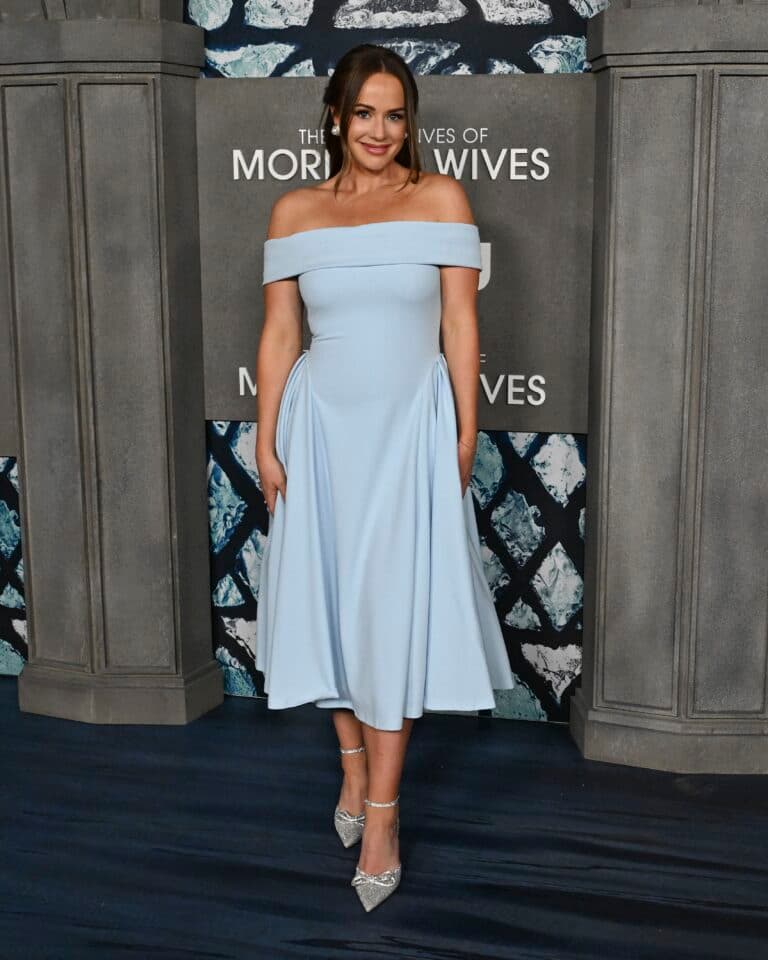

The executive also addressed Neon’s recent investment talks. In February, Deadline reported that Neon was in discussions with Department M, the company founded by Mike Larocca and Michael Schaefer, which is taking a significant stake in the distributor. Quinn said Neon was intentionally built with limits in mind and that the company’s scale was designed to stay manageable. He noted that when he launched Neon, the most expensive film he had overseen at that point was Bong Joon Ho’s Snowpiercer during his time at Radius, and he believed that level of ambition represented a practical ceiling for an independent company.
Quinn reflected on Neon’s success at Cannes with humility, saying he spent 20 years without winning anything at the festival. Before Neon became a major force on the Croisette, he had worked as a publicist on several acclaimed films, including Mike Leigh’s Secret & Lies, which won the Palme d’Or in 1996, and Lars von Trier’s Melancholia, which earned Kirsten Dunst the Best Actress prize. He also said he never expected Neon to win a Palme d’Or for Parasite, even though the company bought the film at the script stage.
Despite Neon’s strong presence at Cannes this year, Quinn said the company does not plan its strategy around festival quotas. Neon brought nine films to Cannes this year, including six in competition, but Quinn said the distributor has never chased a target number of titles for the festival. He said the company remains open to films from any genre or country of origin and does not view the United States as the center of world cinema. Instead, he emphasized that there are many unexplored regions and voices internationally.
Quinn said he is willing to back filmmakers even when their work is difficult to classify commercially, as long as he is impressed by their vision. He pointed to French filmmaker Julia Ducournau and her Palme d’Or-winning film Titane as another example of Neon’s willingness to take risks. At Cannes this year, Neon also won the FIPRESCI award for Fjord and Best Actress honors for Virginie Efira and Tao Okamoto in All of a Sudden.