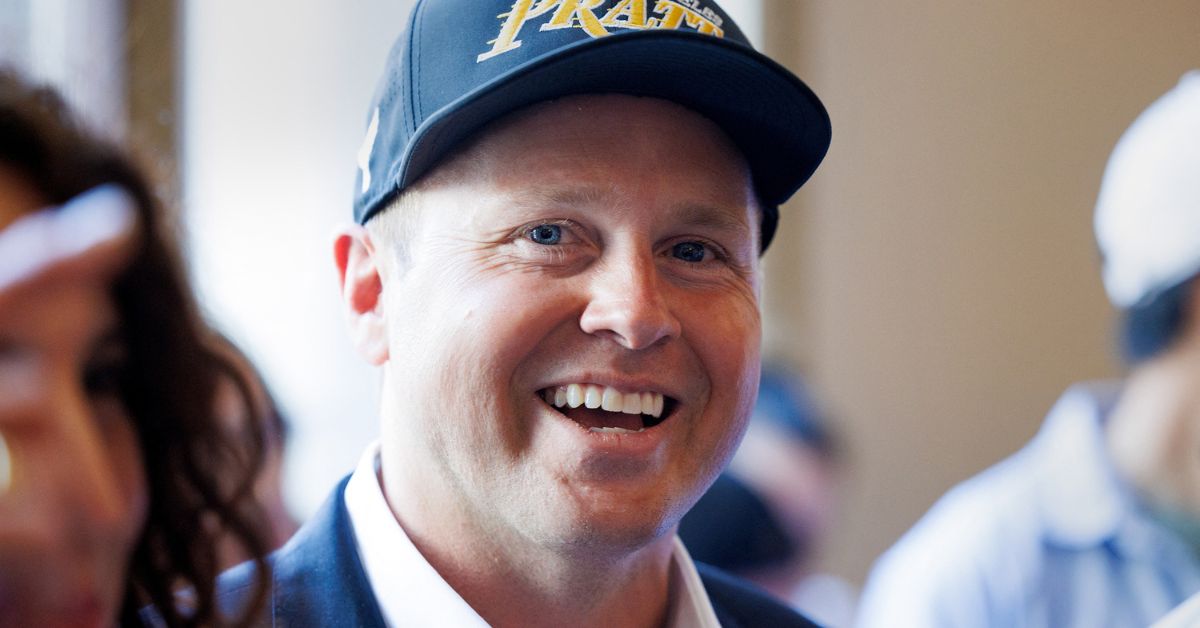
John Oliver addressed the fallout surrounding CBS News’ decision to oust longtime correspondent Scott Pelley during the latest episode of Last Week Tonight, opening with a sharp joke about the veteran broadcaster’s firing. Oliver said, “CBS News fired Scott Pelley for the crime of: being too cool in a meeting,” referring to Pelley’s tense confrontation with editor-in-chief Bari Weiss and newly appointed 60 Minutes executive producer Nick Bilton. The comment framed the segment around growing criticism of CBS News’ handling of the situation and the broader debate over leadership changes at the network.
The incident reportedly stemmed from a staff meeting last Monday, when Bilton introduced himself to CBS News employees. During that meeting, Pelley, a 37-year veteran of the network and a 51-time Emmy winner, pressed Bilton and Weiss on their qualifications and accused Bilton of “murdering” the long-running newsmagazine. The exchange quickly became a flashpoint inside CBS News, drawing attention to tensions between legacy newsroom staff and newly installed executives.

Pelley later gave his account in an interview with The New York Times, his first public comments following the dismissal. He said that being fired was “the furthest thing from my mind” when he attended a Tuesday emergency meeting with CBS leadership. According to Pelley, he expected a lengthy discussion, but the meeting ended abruptly. He recalled that CBS News president Tom Cibrowski quickly cut it short, saying, “this conversation is over.” Pelley said he was stunned by the outcome.
The episode also drew a reaction from FCC chairman Brendan Carr, who criticized Pelley on Sunday in a post on social media. Carr called the veteran journalist “completely out of touch” and argued that such behavior would not be acceptable in an ordinary workplace. He suggested the incident reflected how disconnected some public figures have become from standard professional expectations.
Oliver’s remarks added a comedic layer to an already high-profile media dispute that has sparked backlash, commentary, and concern about the direction of CBS News. The firing of Pelley, who has spent decades at the network, has become a symbol of the friction between established broadcast journalism and the influence of new leadership figures entering legacy news organizations.
The controversy continues to unfold as more details emerge about the internal meeting and the aftermath of Pelley’s removal. His account in The New York Times, Oliver’s satirical response, and Carr’s public criticism have together turned the episode into a widely discussed media story with implications for newsroom culture, editorial authority, and the future of one of television news’ best-known institutions.