Israel Launches Airstrikes on Iran After Tehran Fires Missiles at Northern Israel: Live Updates

Since the April 8 ceasefire between the United States and Iran, the agreement has remained fragile and repeatedly tested by new military actions, shifting rhetoric and stalled diplomacy. Israel backed the deal but said it did not cover Lebanon, and Iranian officials warned of a strong response if attacks there continued.
On April 8, the same day the ceasefire took effect, Israel said it hit 100 targets in Lebanon within 10 minutes. Lebanese officials said more than 300 people were killed, making it the deadliest day in the country for decades. An Iranian minister called the strikes a grave violation of the ceasefire.

Tensions escalated further on April 13, when the United States began a naval blockade on Iranian ports after talks in Pakistan between Washington and Tehran failed to produce an agreement. Three days later, on April 16, a separate Israel-Lebanon ceasefire announced by Donald Trump came into force for an initial 10-day period.
On April 17, Iran said the Strait of Hormuz had reopened to commercial shipping after previously being blocked during the war. But that move was short-lived: on April 18, Tehran said it would close the strait again, citing the continuing US naval blockade.
Diplomatic efforts continued. A second round of talks between Lebanon and Israel was scheduled for April 23 in Washington, and Trump said the Israel-Lebanon ceasefire had been extended by three weeks. The next day, April 24, US envoys Steve Witkoff and Jared Kushner were expected to travel to Pakistan for talks with Iran, but Trump cancelled the trip, saying the US had “all the cards”. Iranian Foreign Minister Abbas Araghchi responded that Iran had yet to see whether the US was serious about diplomacy.
In early May, Trump announced Project Freedom, intended to help guide ships stranded by Iran’s closure of the Strait of Hormuz. By May 5, however, he said the project would be paused for a short period to see whether the US and Iran could reach an agreement.
By May 12, Trump said the month-long ceasefire between the US and Iran was on “massive life support”. Iranian parliamentary speaker Mohammad Ghalibaf said the country’s armed forces were ready to respond and “teach a lesson” to any aggression.
On May 24, Trump said an agreement with Iran had been largely negotiated and that details would be announced soon. An Iranian foreign ministry spokesperson, however, cautioned that progress on some issues did not mean final agreement had been reached.
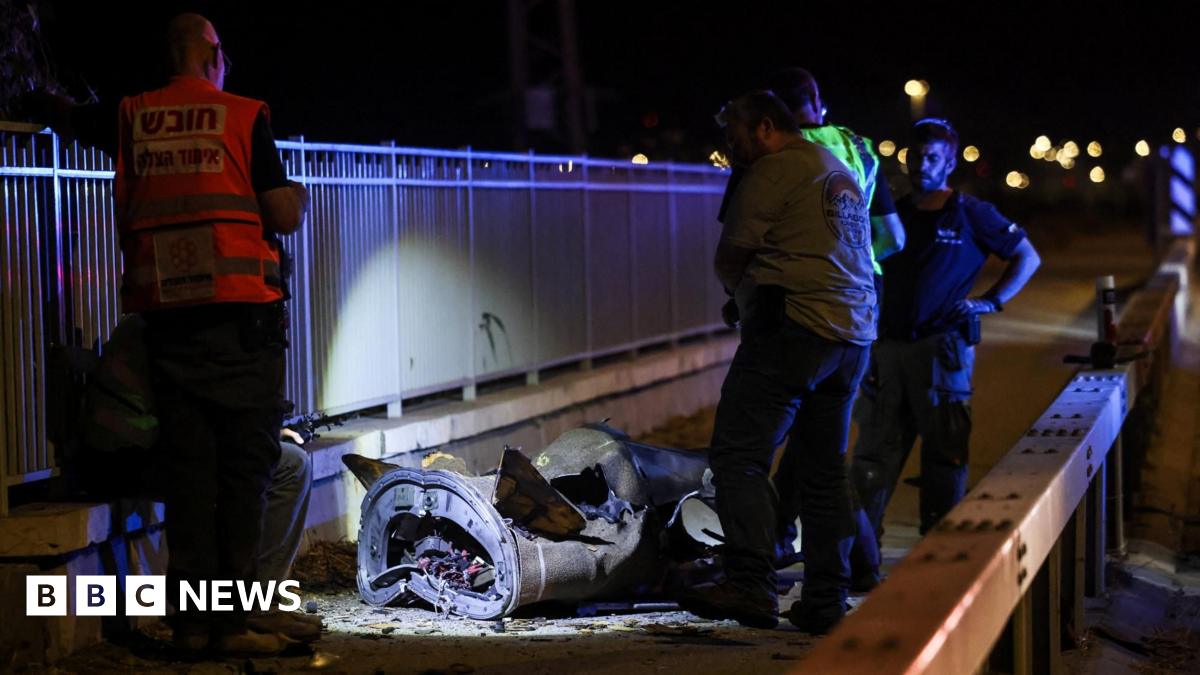
The conflict then intensified again in June. On June 6, US and Iranian forces exchanged strikes in the Gulf, with American forces targeting Iranian drones and radar sites and Iran firing missiles at US bases. On June 7, Iran launched waves of missiles at Israel, with the Islamic Revolutionary Guard Corps describing it as the beginning of a full week of continuous strikes. Those attacks came hours after Israel said it had struck Hezbollah targets in southern Beirut.