Hunter Biden Says He Once Wanted to Take His Own Life and “Kill My Dad” During Crack Addiction

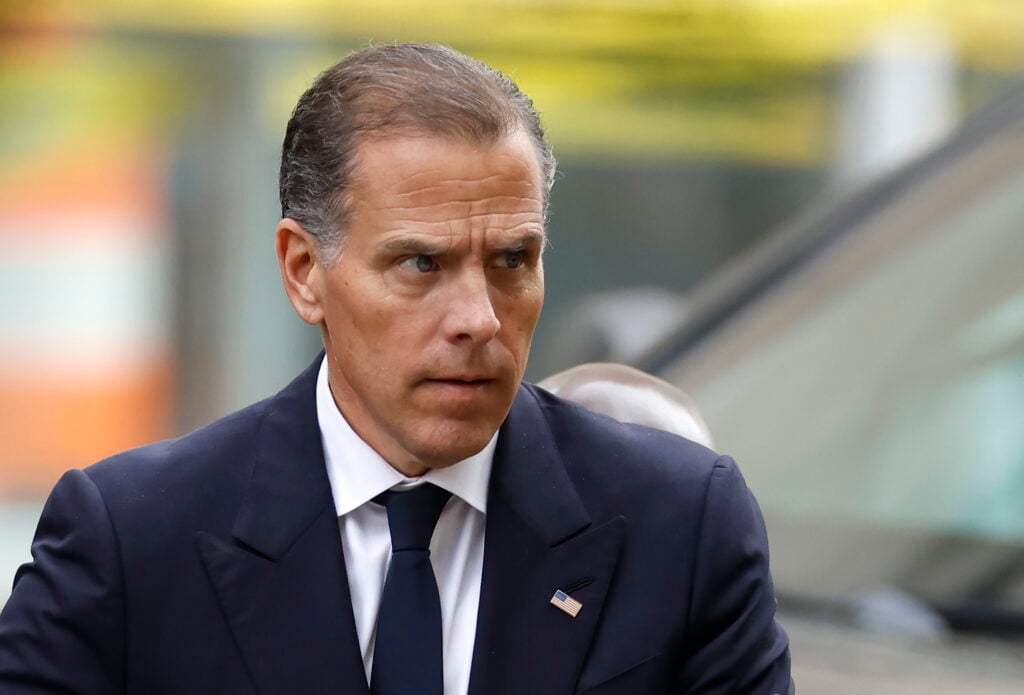
Hunter Biden has spoken candidly about one of the most painful and destructive periods of his life, linking the collapse of his emotional health to the death of his older brother Beau Biden and the breakdown of his marriage. In a wide-ranging conversation with conservative commentator Candace Owens, Hunter described how his life unraveled in the aftermath of Beau’s death, saying that his father, Joe Biden, was consumed by grief at the same time he was struggling to cope with his own pain.
He said the loss of Beau, combined with the strain on his marriage, pushed him into a deep depression and a severe spiral of substance abuse. According to Hunter, the period that followed was marked by overwhelming guilt, isolation, and self-destructive behavior. He said he felt as though he had “gone down into a hole” after his family was hit by multiple personal crises at once.

Hunter also made a striking admission about the depth of his addiction and despair, saying he contemplated suicide dozens of times during his darkest moments. He recalled seeking crack cocaine from a woman he knew from his college years, but said that, looking back, the act was tied to a desire to die rather than simply get high. He described that period as one in which he felt he was dragging his family into his pain and believed he was not only harming himself but also devastating the people closest to him.
The comments add a new layer to the public understanding of Hunter Biden’s long-documented struggle with addiction. In his memoir Beautiful Things, he previously wrote about years of alcoholism and crack cocaine use, but his latest remarks were more explicit about how close he came to ending his life. His account highlights the combined impact of grief, mental illness, and drug dependence, and how those struggles can intensify when personal relationships and family support are under strain.
Hunter has said in the past that sobriety and stability eventually followed, aided by the support of his family. In recent years, he has remained a deeply polarizing public figure, frequently criticized by political opponents while also speaking more openly about addiction and recovery. His latest confession is likely to reignite public discussion around both his personal history and the broader realities of substance abuse and depression.
Beyond the political attention that often surrounds the Biden family, Hunter’s story underscores a more universal warning about the dangers of untreated grief and addiction. His remarks serve as a reminder that severe emotional distress can become life-threatening, especially when combined with substance abuse and feelings of hopelessness.