How Celebrity Engagement Has Changed in 2026: Lessons from Meghan Markle, Blake Lively and the Met Gala Generation

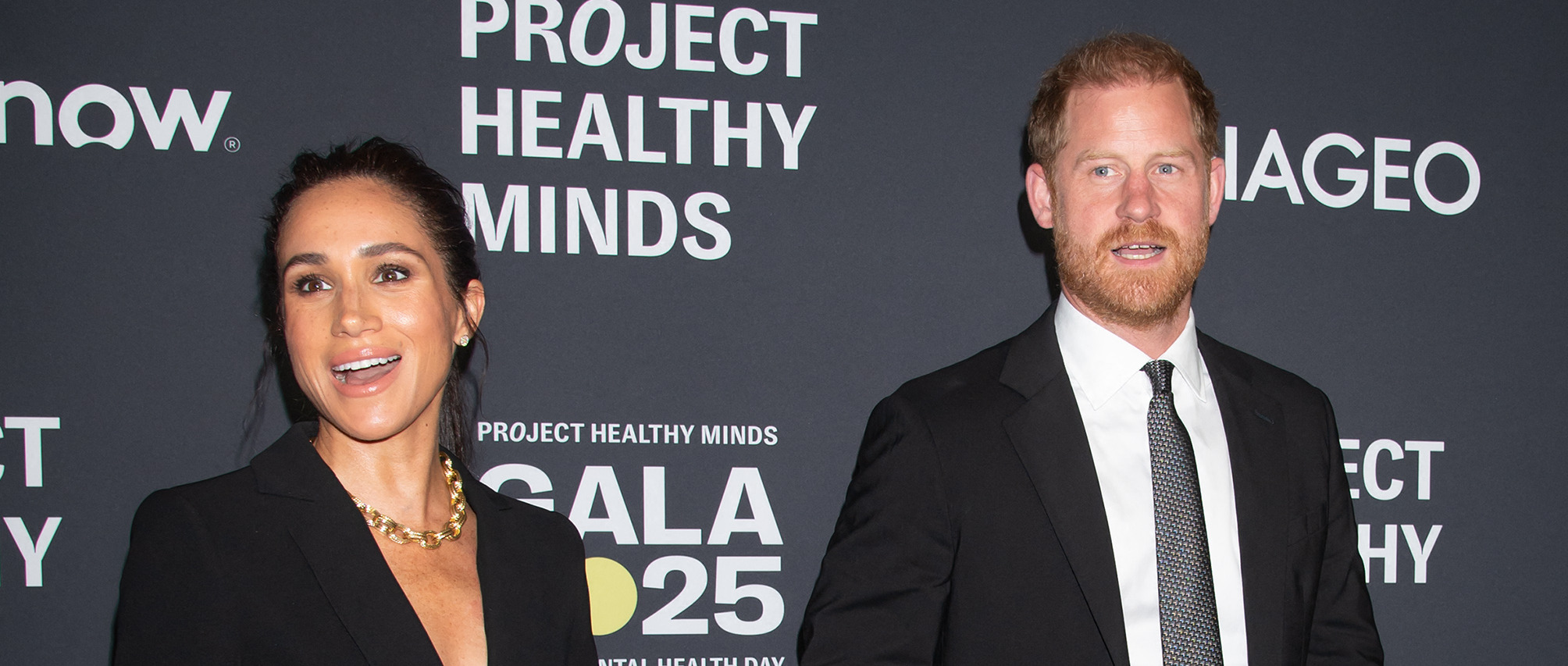
Meghan Markle’s sparsely attended Geneva appearance, Blake Lively’s surprise return to the Met Gala, and the scrutiny surrounding Lauren Sánchez’s look and weight loss have highlighted how celebrity attention works in 2026. The old system of controlled press coverage has been replaced by social media, paparazzi images, and fast-moving online commentary, where public reaction can matter more than the event itself.
Markle’s empty barricades in Geneva were read as a sign of declining audience pull. The mismatch between expectation and turnout suggests that celebrity status no longer guarantees interest, especially when appearances feel more promotional than substantive. Critics also compared her to Angelina Jolie, arguing that Jolie built humanitarian credibility over many years, while Markle is still seen by some audiences as lacking that depth of public trust.
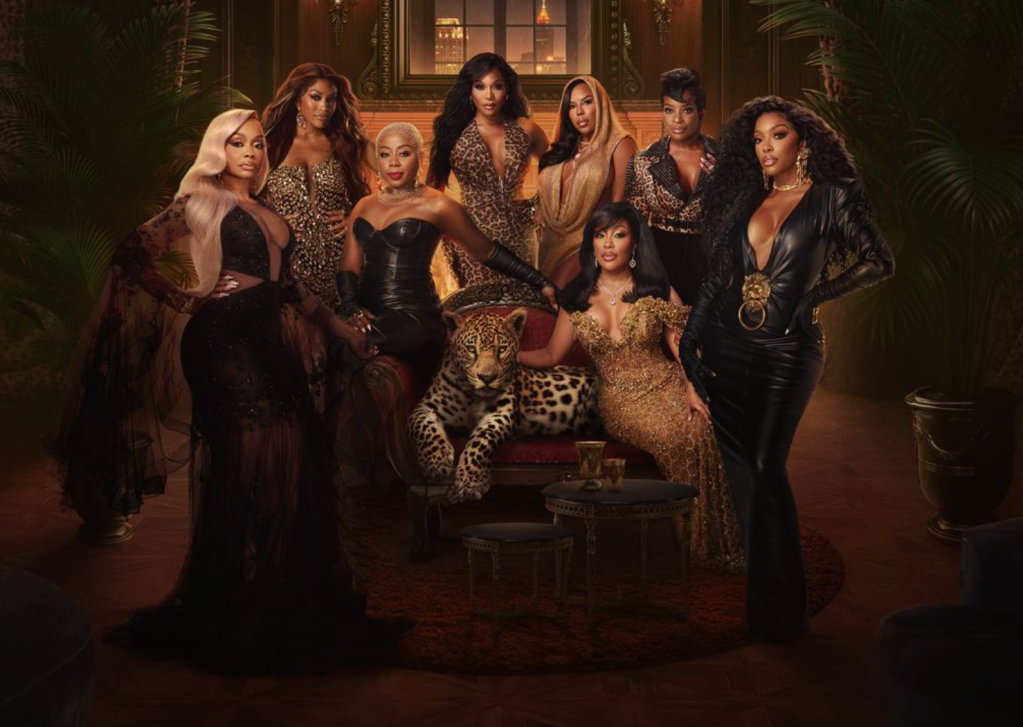

By contrast, Blake Lively’s Met Gala appearance after the Justin Baldoni legal drama showed a different strategy. Rather than disappearing, she stepped back into a highly visible setting that offered controlled photos and a clear cultural stage. The move helped shift attention from scandal toward a new public moment, showing how strategic appearances can help a celebrity manage controversy.
Lauren Sánchez faced a different kind of attention: intense public discussion of her body, fashion choices, and reported weight loss. Her decision to speak openly about her methods was a way to shape the narrative instead of leaving others to define it. The coverage also underscored how female celebrities continue to face far harsher body-based scrutiny than male public figures.
The same news cycle also reflected the growing overlap between political and entertainment celebrity. Donald Trump’s speeches, social media posts, and other public comments were covered with the same mockery and viral analysis usually reserved for entertainers. That shift shows how politicians are increasingly judged through the lens of celebrity performance rather than traditional political seriousness.
Other public figures offered contrasting models. Michelle Obama used a personal story about a difficult White House moment to build credibility through vulnerability and selective disclosure. Kim Kardashian’s revelation that she takes 35 supplements a day followed her long-standing strategy of turning personal habits into public content, though audiences now seem more skeptical of highly managed transparency.
Meanwhile, veteran figures like Steven Spielberg and George Clooney can still make eccentric or personal remarks that generate interest without hurting their standing, because their reputations rest on decades of achievement rather than constant self-promotion.
Taken together, these stories suggest that celebrity culture now rewards timing, authenticity, and narrative control more than nonstop visibility. Public figures who appear strategically and build real expertise are more likely to stay relevant, while those who rely only on fame may find their influence fading.