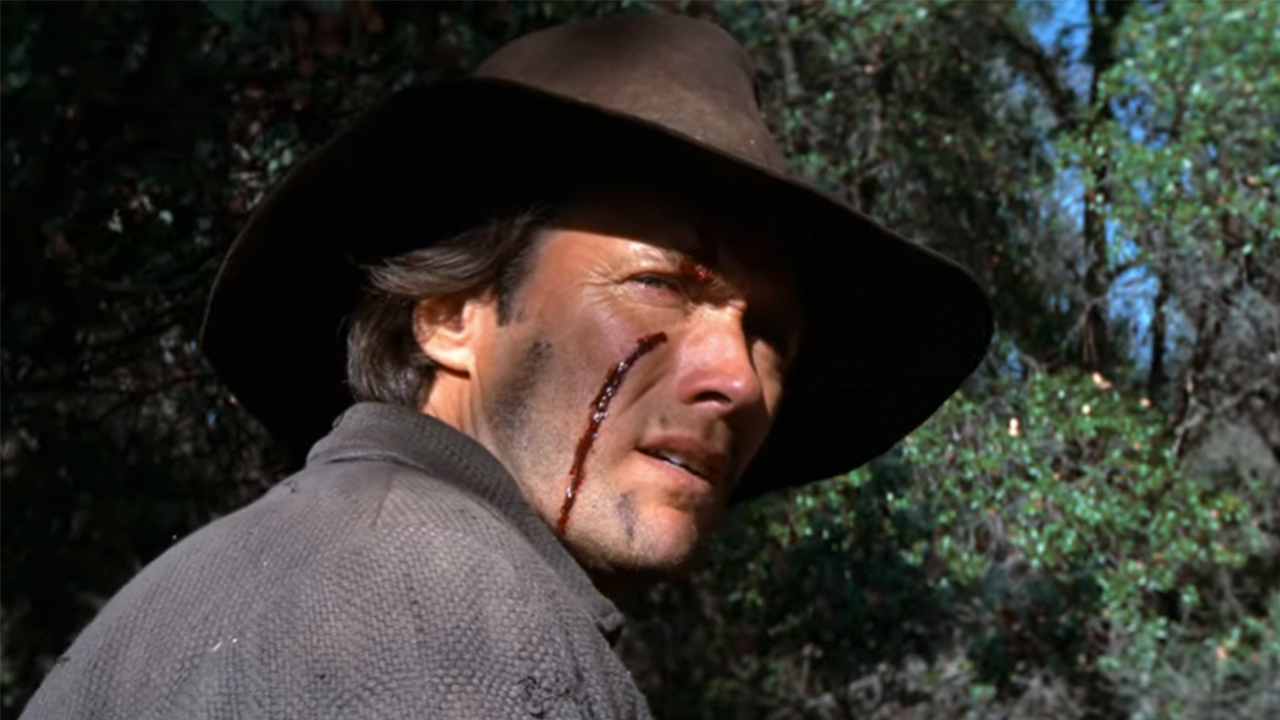
The Outlaw Josey Wales remains one of Clint Eastwood’s most respected Westerns, but its history is more controversial than many viewers realize. The 1976 film was initially set to be directed by Phillip Kaufman, who also wrote the screenplay, but tensions quickly developed on set. Eastwood reportedly had a different vision for the project, and conflict behind the scenes intensified during production. According to accounts of the film’s making, Eastwood fired Kaufman about three weeks into shooting and took over as director himself. The dispute became significant enough to draw attention from the Directors Guild, which later introduced a rule known as “The Eastwood Rule” to prevent similar director replacements from happening so easily in the future.
The controversy did not stop with the production. The movie is based on the 1972 novel The Rebel Outlaw: Josey Wales, published under the name Forrest Carter. Carter claimed Cherokee heritage, but after the film became successful, questions emerged about his real identity. It was later accepted that Forrest Carter was actually Asa Carter, a former speechwriter for Alabama governor George Wallace and a member of the Ku Klux Klan. Asa Carter was also associated with white supremacist ideology and had helped write Wallace’s segregationist “Segregation Forever” speech. He denied these claims until his death in 1979, but the connection between Forrest Carter and Asa Carter is now widely recognized.


The film itself has also drawn criticism for its historical and ideological undertones. The story follows Josey Wales, a Confederate bushwhacker driven by revenge after his family is killed during the Civil War. While the movie works as an action-driven revenge Western, it also carries elements of Lost Cause revisionism through its portrayal of the Confederacy and its distrust of the Union government. Some characters reflect that worldview more explicitly than others, adding to the sense that the film is tied to a contested version of Southern history.
At the same time, the movie is still widely admired as a classic Western. Eastwood’s performance as Josey Wales is central to its appeal: the character is tough, sarcastic, violent, and stubborn, but also emotionally grounded by a clear motive. The supporting cast, including Sondra Locke, Sam Bottoms, Chief Dan George, John Vernon, and Paula Trueman, helps give the film depth and texture. Its cinematography, pacing, and landscape shots are also major strengths, and many viewers continue to rank it among the best Westerns ever made.
For modern audiences, The Outlaw Josey Wales stands as both a celebrated genre film and a reminder of how deeply politics, authorship, and history can shape a movie’s legacy.