Free Speech Champions in the UK and US Are Now Turning Against It — and Palestine Explains Why | Mehdi Hasan

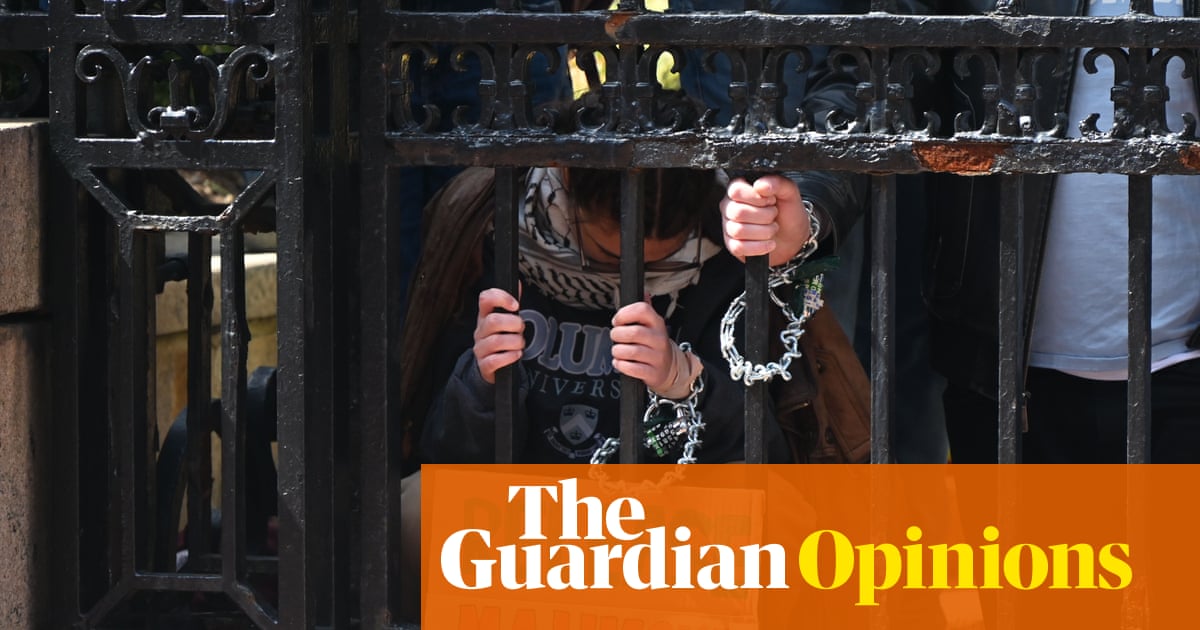
The article argues that Western governments, once vocal defenders of free speech, are now increasingly suppressing expression when it concerns Palestine. It says this contradiction has become especially visible in Britain and the United States, where officials and institutions that long celebrated liberal values, protest rights and the importance of offensive or unpopular speech are now treating pro-Palestinian advocacy as a threat rather than a legitimate political viewpoint.
The piece says the British government’s decision to proscribe Palestine Action as a terrorist organization marks a major escalation. It describes a series of arrests in which priests, elderly people and disabled protesters were detained for holding signs supporting Palestine Action or opposing genocide. In the author’s view, these actions show that the state is punishing dissent rather than addressing violence, and that the real target is criticism of UK policy and support for Palestine.


It also highlights the UK’s refusal to admit US commentators Cenk Uygur and Hasan Piker, saying the Home Office gave only vague reasons and appeared to act out of concern that they could inflame antisemitism. The article argues that the issue is not whether either man is universally admired, but whether free speech principles are being applied consistently. It says speech protections matter most when the views in question are controversial.
The article then turns to the United States, where it claims the Trump administration has carried out one of the most serious attacks on free expression in modern American history by targeting pro-Palestinian voices, especially foreign students. It points to cases such as Mahmoud Khalil and Rümeysa Öztürk, describing them as examples of people facing investigations, arrest or detention because of their speech rather than violent conduct. Öztürk is said to have been targeted over an op-ed urging Tufts University to divest from companies linked to Israel.
The piece says the crackdown extends beyond immigrants and students. It cites Republican congressman Randy Fine’s attacks on Hasan Piker and argues that Congress, state legislatures, university administrators, donors and lobbying groups are all helping to narrow the space for criticism of Israel. It says people have lost jobs, been disinvited from events, had programs cancelled and been subjected to political smear campaigns.
A central argument of the article is that criticism of Israel is too often conflated with antisemitism, even when it is simply ordinary condemnation of military actions, such as bombing hospitals or killing children. The author insists that no foreign government should be exempt from criticism and warns that suppressing one group’s speech sets a precedent that can later be used against others.
The article concludes that the struggle over Palestine is also a struggle over democracy and civil liberties in the UK and US. It says public opinion is shifting toward the Palestinians, but political leaders are responding by trying to stop the debate rather than win it. The warning is that if governments are allowed to decide which political opinions are acceptable, the erosion of rights will not stop with Palestine.


/extras/conteudos/imagem_2026-05-28_121642615.png "Call of Duty: Modern Warfare 4 Gets First Trailer and Release Date")