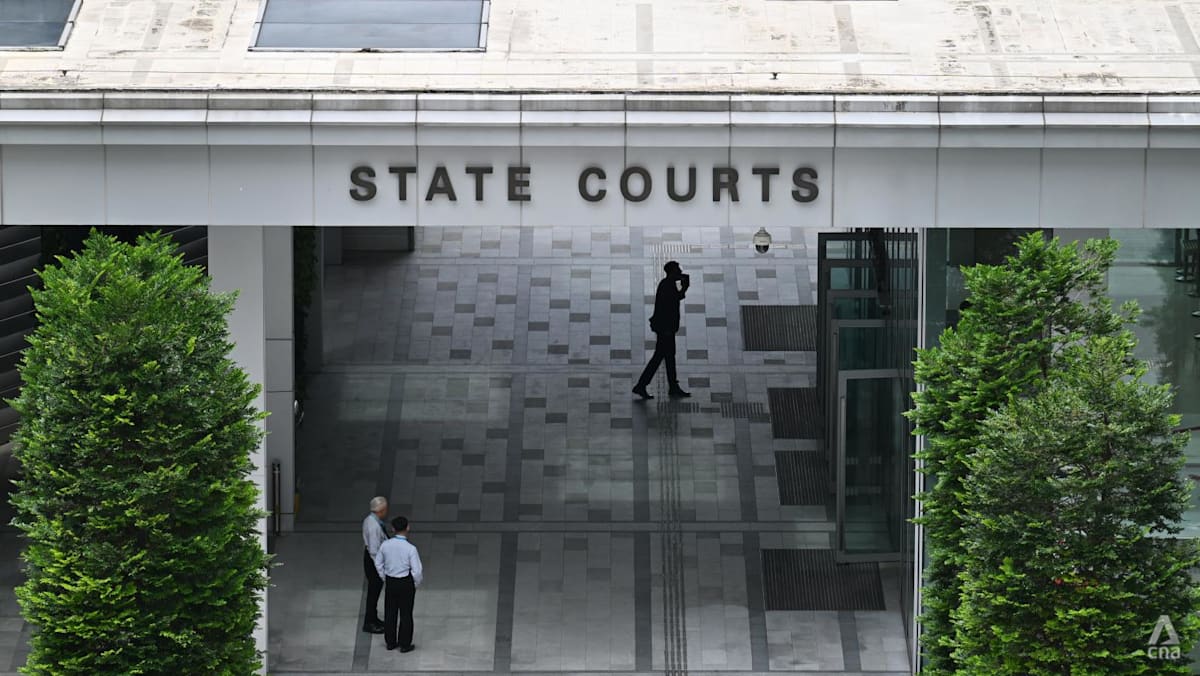
Singapore’s Small Claims Tribunals (SCT) have come under attention after a maid agency was ordered to compensate a customer for falsely claiming that a domestic helper could speak Mandarin. The case highlights how the SCT provides a quicker and less expensive way for consumers and businesses to resolve money disputes without going to court. Part of the State Courts, the SCT handles low-value disputes involving the sale of goods, the provision of services, and residential tenancy agreements. Claims must generally be filed within two years from the date the cause of action arose, meaning the facts that give a person the right to sue. Most SCT cases are completed within four months, making the tribunal a faster option than ordinary court proceedings. Lawyers are not permitted to represent parties during SCT hearings, although they may advise clients beforehand on the merits of a case, the required documents, and the filing process. According to Singapore Courts’ 2024 annual report, 11,771 cases were filed with the SCT that year, accounting for about 77 per cent of the State Courts’ community justice and tribunals cases. Both individuals and businesses are allowed to file claims. The tribunal’s claim limit is S$20,000, but this can be raised to S$30,000 if both sides agree. Filing fees depend on the claim amount and whether the claimant is an individual or another entity. For claims up to S$5,000, individuals pay S$10 while other entities pay S$50. For claims above S$5,000 and up to S$10,000, the fee is S$20 for individuals and S$100 for other entities. For claims above S$10,000 and up to S$30,000, individuals pay 1 per cent of the claim value, while other entities pay 3 per cent. Claims must be filed online through the Community Justice and Tribunals System using Singpass, and tourists can apply for a temporary CJTS pass. The process is intended to be accessible for self-represented parties.