Civil Rights Rabbi Returns to St. Augustine More Than 60 Years After Arrest With Martin Luther King Jr.

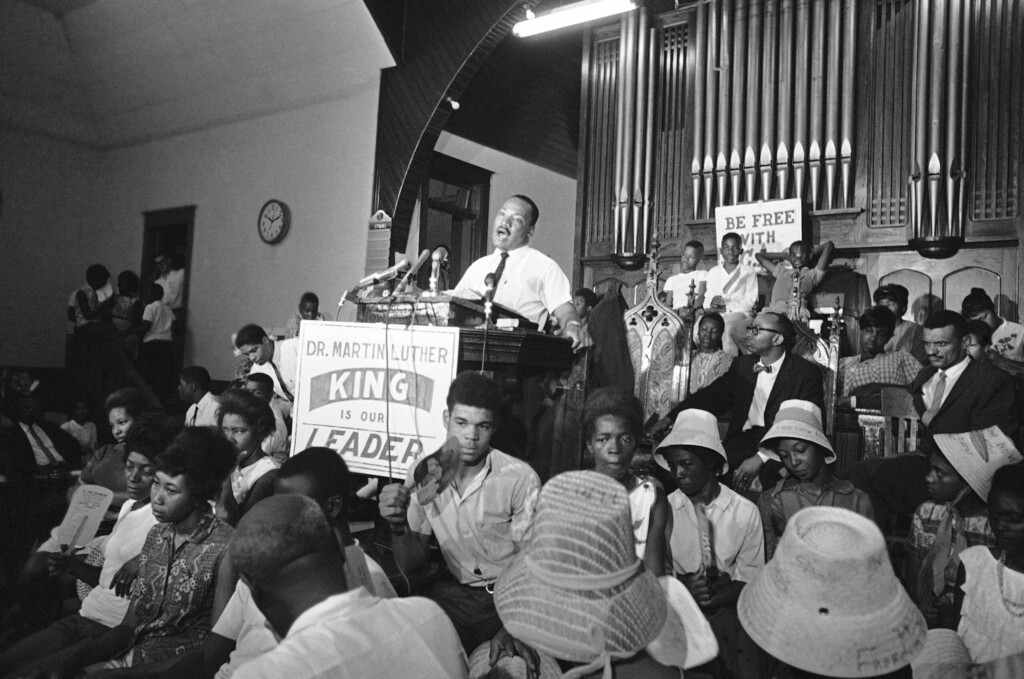
More than 60 years after his arrest in St. Augustine for protesting segregation, Rabbi Allen Secher is returning to the city this week to take part in events honoring the Jewish faith leaders who joined the Civil Rights Movement. Secher, now 91 and the last surviving rabbi from the group arrested in 1964, will appear at a staged play about his life and later attend a reading of the letter “Why We Went,” which he helped write from a St. Augustine jail cell.
The letter was written on June 19, 1964, a date that carried deep historical meaning: it marked both Juneteenth, widely recognized as the end of slavery in the United States, and the day Congress passed the Civil Rights Act of 1964, which outlawed segregation. Secher was among 17 rabbis arrested at the Monson Motor Lodge during protests inspired by a call from Rev. Martin Luther King Jr. Their arrests became the largest mass arrest of rabbis in U.S. history.


Secher said his decision to join the civil rights struggle was “automatic,” rooted in a belief that people must act when they see injustice. He has returned to St. Augustine only once before, in 2014 for the 50th anniversary of his arrest. At that time, he said he had hoped for more progress in representation and equality. Since then, the city has elected Cynthia Garris, the first Black woman to serve on the St. Augustine City Commission, and she is now next in line to become mayor.
The week’s events are designed to preserve the history of the rabbis’ role in the movement. On Wednesday, Secher will join a post-performance discussion after “When The Rabbis Came To Town,” a one-man play starring actor Adam Bell. The production follows Secher from his activism in the 1960s into the 2000s. Bell said he connected with the role because of his own upbringing in Mississippi and believes the story shows how individual courage can drive change. The play begins at 6 p.m. at the Waterworks on San Marco Avenue.
On Thursday, the St. Augustine Jewish Historical Society will host its annual reading of “Why We Went” at the St. Johns County Sheriff’s Office jail annex, the same building where Secher and the other demonstrators were held in 1964. Secher said the message remains relevant because there is still a need to improve the world.
Additional Civil Rights Movement events will follow Thursday evening. The ACCORD Freedom Trail & Civil Rights Museum will screen the documentary “Passage at St. Augustine” at St. Paul AME Church, followed by a discussion with filmmaker Clennon L. King. Later, ACCORD will host a free meet-and-greet with Robert Swann Jr., who witnessed the Monson Motor Lodge swim-in demonstration, along with a display of historic photographs.

 "Shiloh Jolie Turns 20: How Her Style Has Evolved Over the Years")