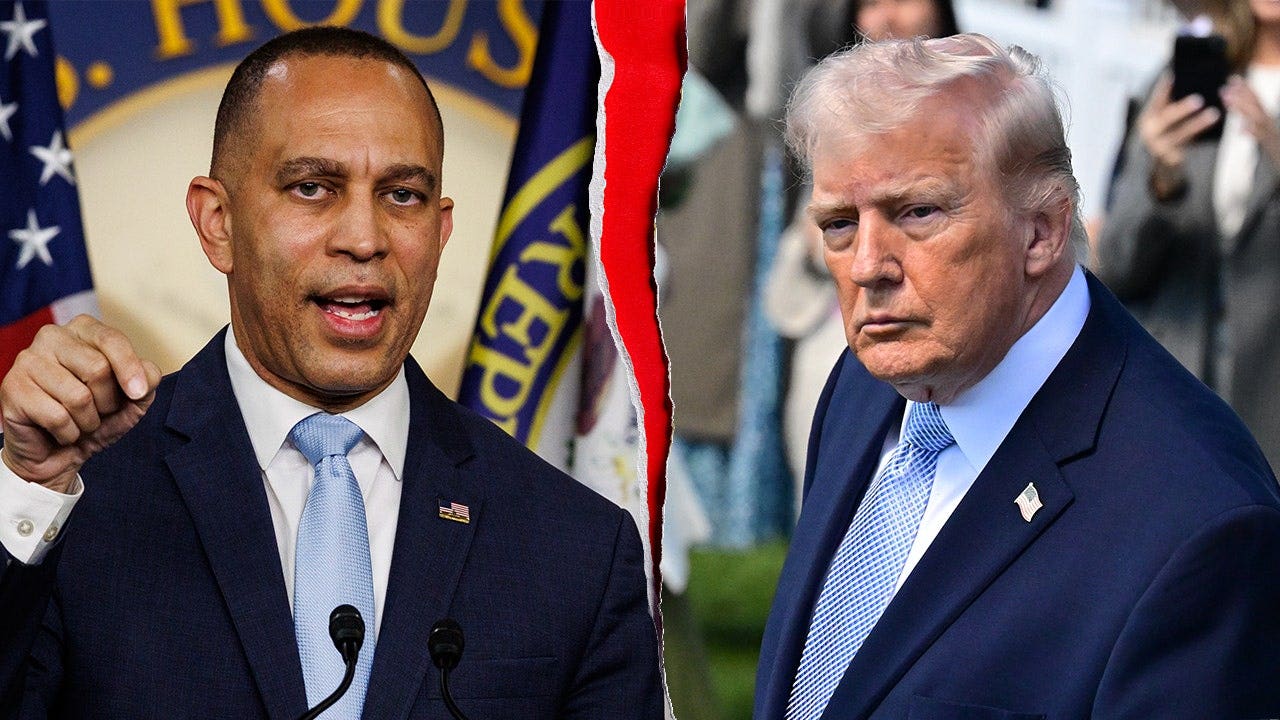
House Republicans faced a small setback in the ongoing redistricting fight after Alabama and South Carolina each moved away from plans to redraw congressional maps. In South Carolina, state lawmakers decided not to proceed, while in Alabama, Republicans asked the Supreme Court to intervene after a lower court blocked the new map. The developments temporarily slowed GOP efforts to gain additional House seats ahead of the 2026 midterm elections.
The redistricting battle has become a major partisan contest as both Republicans and Democrats seek to reshape congressional boundaries to improve their chances in November. The issue has gained urgency following a Supreme Court decision in April that affected voting rights and opened the door to new map fights in several states. Republicans had hoped to benefit from redraws in places such as Texas, North Carolina, Florida, Ohio, Missouri, Tennessee, Louisiana and Alabama, while Democrats have pursued favorable changes in California and are looking at Utah as another possible pickup opportunity.


Even with the setbacks in Alabama and South Carolina, Republican strategists say the party remains in a strong position nationwide. The National Republican Congressional Committee said GOP candidates are still on offense in key battleground districts and argue that the political map is generally more favorable to Republicans than Democrats are willing to admit. Their broader goal is to protect and expand a narrow majority in the House.
Democrats, meanwhile, are framing the redistricting push as a Republican effort to manipulate the electoral map after failing to persuade voters. A spokesman for the Democratic Congressional Campaign Committee said voters are expected to reject Donald Trump and Republicans in the midterms because of dissatisfaction with the economy and what Democrats describe as illegal gerrymanders and voter suppression. Democrats argue that the public will not accept efforts to tilt the playing field and believe they can win back control of the House in November.
The conflict has also drawn attention on Capitol Hill, where the bipartisan Problem Solvers Caucus created a gerrymandering working group to address what lawmakers describe as extreme partisan mapmaking across the country. The group is being co-chaired by Republican Rep. Jeff Hurd of Colorado and Democratic Rep. Ed Case of Hawaii. Hurd said redistricting should be guided by transparency, consistency and respect for the rule of law, adding that representation should reflect communities rather than political interests.
The latest developments show that while redistricting battles can shift quickly, the fight over House maps remains central to both parties’ strategy heading into the 2026 elections.