As Brazil Debates End of 6×1 Work Schedule, Argentina Moves the Other Way With Labor Reform Allowing 12-Hour Workdays

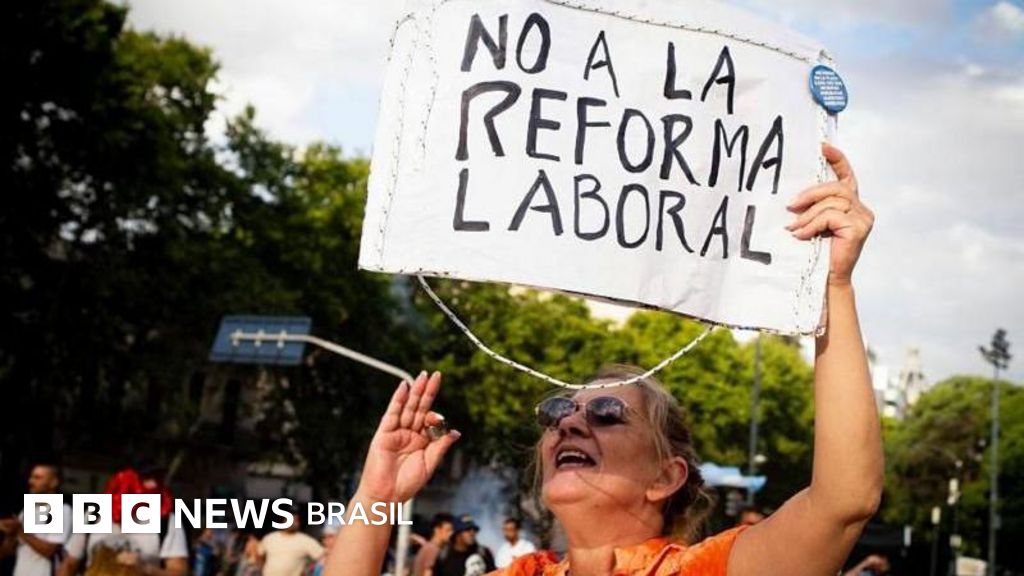
Argentina has moved in the opposite direction from countries seeking shorter workweeks, approving a labor reform in February that the government of Javier Milei says will modernize labor relations, attract investment and help revive the economy. The law is already in force while several court challenges continue, including a case brought by the General Confederation of Labor that was upheld by a federal court in early May. Union-backed opposition remains strong, with protesters and critics calling the measure a rollback of workers’ rights.
The reform changes several aspects of employment law. It alters the formula used to calculate severance pay for unjust dismissal by excluding items such as the 13th salary and bonuses from the base calculation. It also allows annual vacation time to be split, classifies app-based drivers and delivery workers as independent contractors, and expands the list of essential services, which face tighter limits on strikes. The law permits workdays of up to 12 hours as long as the weekly limit remains 48 hours. Argentina’s formal maximum schedule is still 8 hours a day and 48 hours a week, but employers and employees can now negotiate specific arrangements, provided rest periods of at least 12 hours between shifts and 35 hours weekly are respected. The law also allows banked hours, letting extra time worked on one day be offset by shorter hours later.


Supporters say the changes are needed in a labor market marked by high informality, weak growth and rising unemployment. Argentina’s unemployment rate reached 7.5% at the end of last year, the highest fourth-quarter level since the covid-19 pandemic. Informal work accounted for 43% of jobs in the second quarter of 2025, affecting nearly 6 million workers without health insurance, sick leave, severance protection or pension contributions. The problem is especially severe among young people and young women. Inflation remains high and has continued to erode real wages and purchasing power.
The government argues that lower labor costs and greater predictability will encourage companies to hire more formally. The reform creates a Labor Assistance Fund, financed by employer contributions, to cover severance payments instead of companies paying dismissals directly. Large firms will contribute 1% of payroll and small and medium-sized firms 2.5%. The law also offers tax incentives for companies that hire unemployed people, freelancers or former public employees, through reduced pension contributions for four years.
Economists and labor experts are divided. Some say the reform may reduce legal costs and modernize outdated rules, but its practical effects are likely limited unless economic activity improves. Others argue that flexibility alone will not create jobs and that deeper problems, including taxation, inflation and weak demand, remain unresolved. Critics also warn that the reform weakens unions, restricts the right to strike and may shift resources away from social security. Overall, the law has become a symbol of a broader debate in Argentina over labor rights, economic reform and the trade-off between flexibility and worker protection.