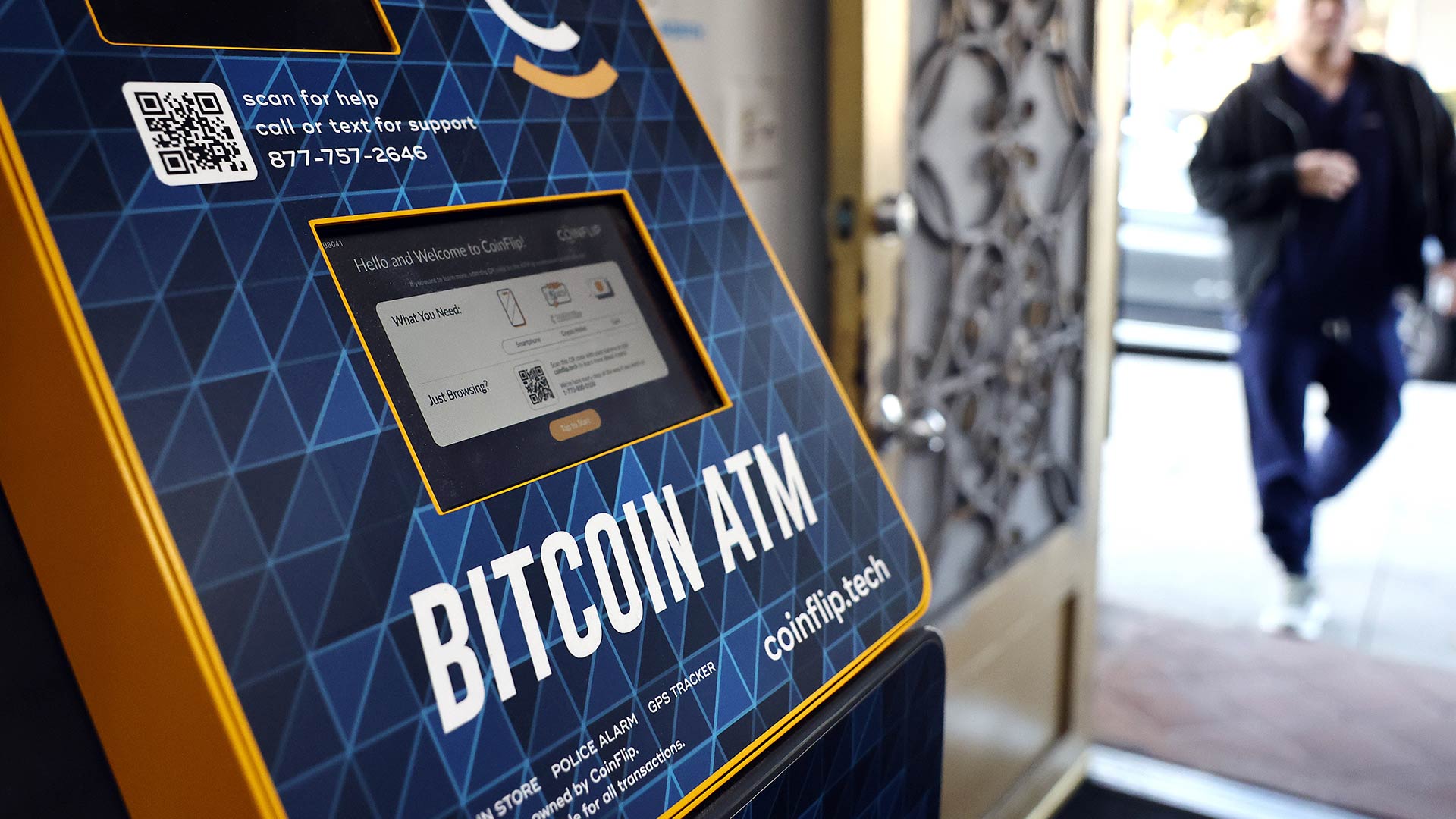
Bitcoin ATMs, once seen as a quick bridge between cash and cryptocurrency, are facing mounting pressure from regulators, law enforcement, and courts over their role in scams and money laundering. Governments in Canada and several U.S. states have moved to restrict or ban the machines, while Bitcoin Depot, the world’s largest Bitcoin ATM operator, recently filed for bankruptcy amid litigation and regulatory crackdowns. Authorities have repeatedly warned that criminals use these kiosks to collect cash from scam victims and rapidly convert it into cryptocurrency that is difficult to trace or recover.
A new investigation shows that the problem is not limited to the ATM operators themselves. Major cryptocurrency firms have continued supplying vast amounts of bitcoin to ATM businesses even after regulators accused those operators of being heavily involved in fraud. Investigators traced billions of dollars in bitcoin transfers from prominent crypto companies to ATM firms, including transactions that continued after public warnings from state attorneys general about scam activity. Among the companies identified were Kraken, Gemini, Cumberland DRW, Bitstamp, Enigma Securities, and FalconX.


Kraken, one of the best-known U.S.-based exchanges, transferred at least $1.1 billion in bitcoin to crypto ATM operators in recent years, including millions sent to Athena Bitcoin after Washington, D.C., accused the company’s machines of being used primarily by scammers. Gemini supplied more than $500 million in bitcoin to Bitcoin Depot between 2020 and 2025, while Cumberland DRW became another major source of liquidity for Bitcoin Depot and CoinFlip. Bitstamp, meanwhile, sent millions to Crypto Dispensers during a period when that firm was later accused in a federal indictment of money laundering through its ATM network.
The investigation suggests that the largest crypto firms have played an essential but often overlooked role in sustaining the Bitcoin ATM ecosystem. Because these machines convert cash into bitcoin, ATM operators need a steady supply of cryptocurrency to meet customer demand. Blockchain researchers and forensic analysts who reviewed transaction records for the investigation said the flows were large, regular, and visible on the public ledger, even as scam concerns intensified.
Experts say the business model is deeply vulnerable to abuse. Victims are often tricked by scammers posing as government officials, bank employees, or tech support staff and told to deposit cash into Bitcoin ATMs to “protect” their money. In reality, the funds are quickly converted into cryptocurrency and sent overseas. Federal and state agencies have warned for years that these machines are a favored tool for fraudsters, and recent enforcement actions have targeted operators such as Bitcoin Depot, CoinFlip, Athena Bitcoin, and others.
The human toll is severe. One victim, a 77-year-old Florida woman, lost $10,000 after a scammer posing as the Federal Trade Commission directed her to a Bitcoin Depot machine. She said the experience left her unable to sleep or eat. As regulators move in, the investigation raises a broader question about whether the crypto industry’s most established firms can distance themselves from an ATM sector increasingly associated with scams, money laundering, and consumer harm.