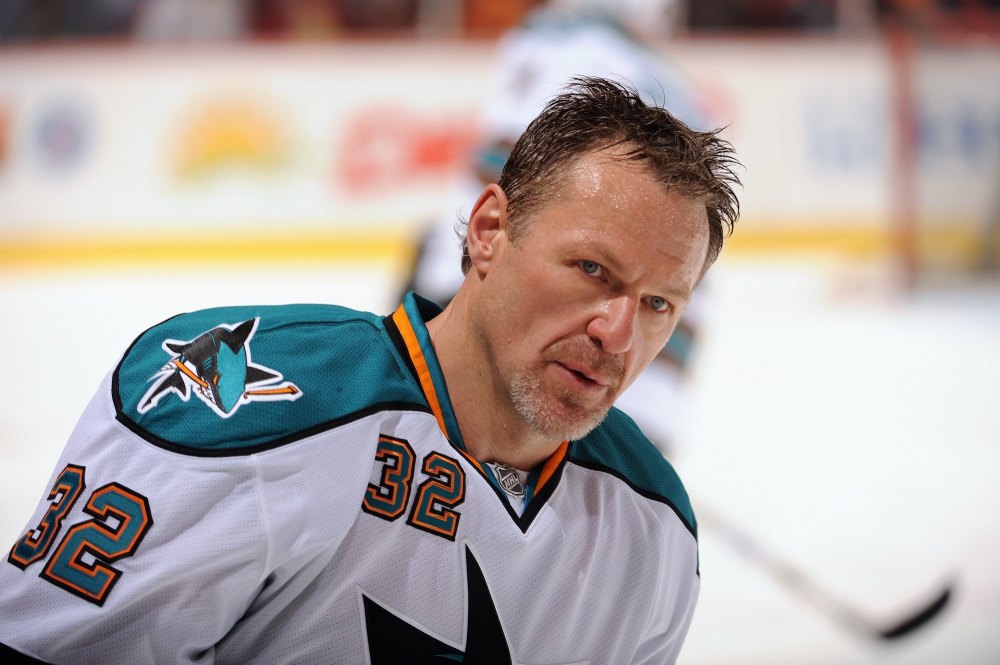
Claude Lemieux, the four-time Stanley Cup champion and longtime NHL star, died on May 28, 2026, at age 60. The Palm Beach County Medical Examiner’s Office confirmed that his death was ruled a suicide. He was found at a family-owned furniture business in Lake Park, Florida, where authorities said the scene was secured for investigation.
Lemieux’s death came just three days after he appeared publicly in Montreal as the torchbearer before Game 3 of the Eastern Conference Finals at the Bell Centre on May 25, 2026. His sudden death shocked the hockey world, with former teammates, fans and family members sharing tributes and condolences in the days that followed.
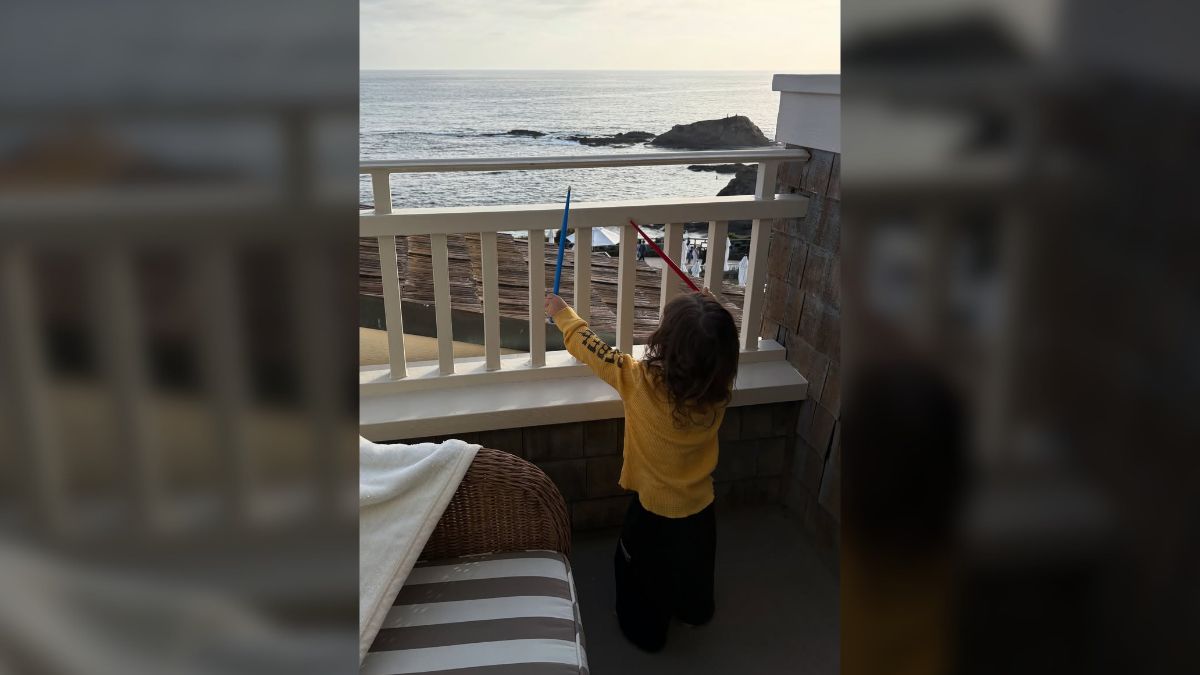
The former winger is survived by his wife, Deborah, and four children: sons Michael, Christopher and Brendan, and daughter Claudia. Brendan and Claudia were among the first family members to speak publicly, each posting emotional messages on social media expressing grief and love for their father. The family asked for privacy and compassion as they process the loss.
Lemieux was one of the NHL’s most recognizable postseason performers. Over a 21-season career that ran from 1983 to 2009, he played for the Montreal Canadiens, New Jersey Devils, Colorado Avalanche, Phoenix Coyotes, Dallas Stars and San Jose Sharks. He finished his career with 379 goals, 407 assists and 1,777 penalty minutes in 1,215 regular-season games. In the playoffs, he appeared in 234 games, scored 80 goals and won four Stanley Cup titles.
Known for his relentless style and ability to elevate his game in the postseason, Lemieux helped lead teams to 15 consecutive playoff appearances, according to NHL Commissioner Gary Bettman. His playoff production and championship success made him one of the defining players of his era.
After retiring as a player, Lemieux moved into hockey management and became a successful sports agent, representing several notable NHL players. His post-playing career kept him closely connected to the game and the next generation of athletes.
Following his death, Lemieux’s family announced plans to donate his brain to the UNITE Brain Bank at the Boston University CTE Center for research into the long-term effects of repetitive head impacts and traumatic brain injury. The family said they hope the donation will contribute to a better understanding of athlete safety and help future families seeking answers. They also urged the public and media to discuss his death with care and respect, noting that suicide is complex.
A public memorial for Claude Lemieux will be announced at a later date. If you or someone you know is in crisis, help is available by calling or texting 988 in the United States.