George Floyd Square to Begin Revamp as City Moves to Redesign Memorial Site Six Years After His Murder

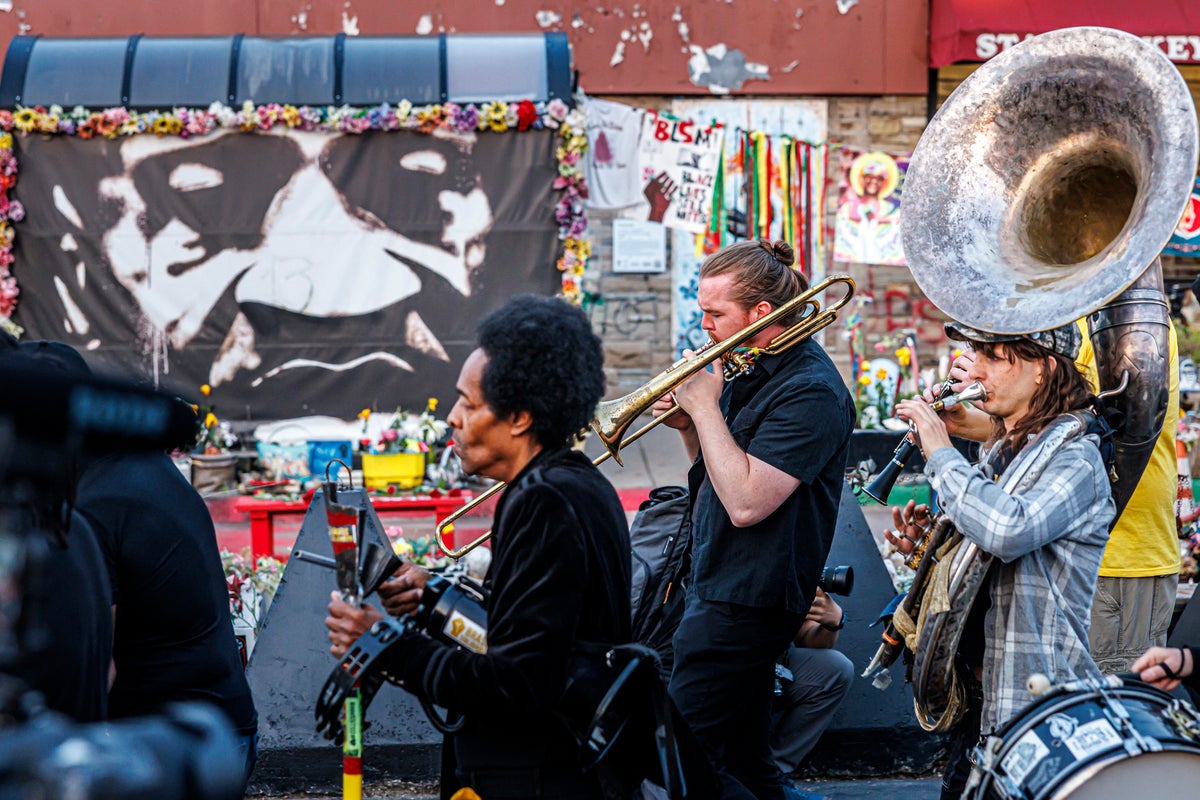
Construction on George Floyd Square in Minneapolis is set to begin on June 8, marking the start of long-planned changes to the memorial site where George Floyd was killed in May 2020. The city announced in March that “street and infrastructure improvements” would begin in June and finish next year, framing the project as an effort to balance remembrance, community gathering, safety and access in a place that has become a national symbol of racial justice.
George Floyd, a 46-year-old Black man, was killed during an arrest by former Minneapolis police officer Derek Chauvin, who knelt on Floyd’s neck for more than nine minutes after Floyd was detained over an allegation of using counterfeit money to buy cigarettes. Chauvin was later convicted in state court of murder and pleaded guilty in a federal civil rights case. He received sentences of 22 and a half years in state prison and 21 years in federal prison. Three other officers present at the scene — Tou Thao, J. Alexander Kueng and Thomas Lane — were also convicted on federal civil rights charges and sentenced to prison terms.


The intersection of 38th Street and Chicago Avenue, now known as George Floyd Square, has served for years as a memorial and gathering place for residents, activists and visitors honoring Floyd’s memory. The city says the redevelopment will preserve that role while reopening the intersection to cars and buses, with a separate memorial area remaining closed to traffic. Officials say the redesign will include flexible gathering spaces, public art, memorials, green space, bikeways and on-street parking.
City leaders have said the work will proceed “with care,” and that community members will still be able to gather in the area during construction, although some gathering locations may shift as the project progresses. Minneapolis also says it is working with artists and community members to preserve, document and reinstall memorials and artworks already at the site.
The project reflects a compromise after earlier plans drew resistance. The city council initially wanted to turn the area into a pedestrian mall, but that idea was dropped after pushback from some residents and businesses, according to local reporting. The updated plan instead aims to reopen traffic through the intersection while maintaining a protected memorial zone.
George Floyd’s murder triggered nationwide protests against police violence and racial injustice, with demonstrations spreading across the United States and beyond. Some of those protests turned violent, but the broader movement helped place Minneapolis at the center of a national reckoning over race, policing and accountability.
For many in the community, George Floyd Square remains an important site of reflection and remembrance. Minneapolis tourism materials describe it as a space for racial healing and justice, drawing visitors from across the country and beyond. The coming construction marks a new phase in the city’s effort to reshape the area without erasing the history that made it globally significant.