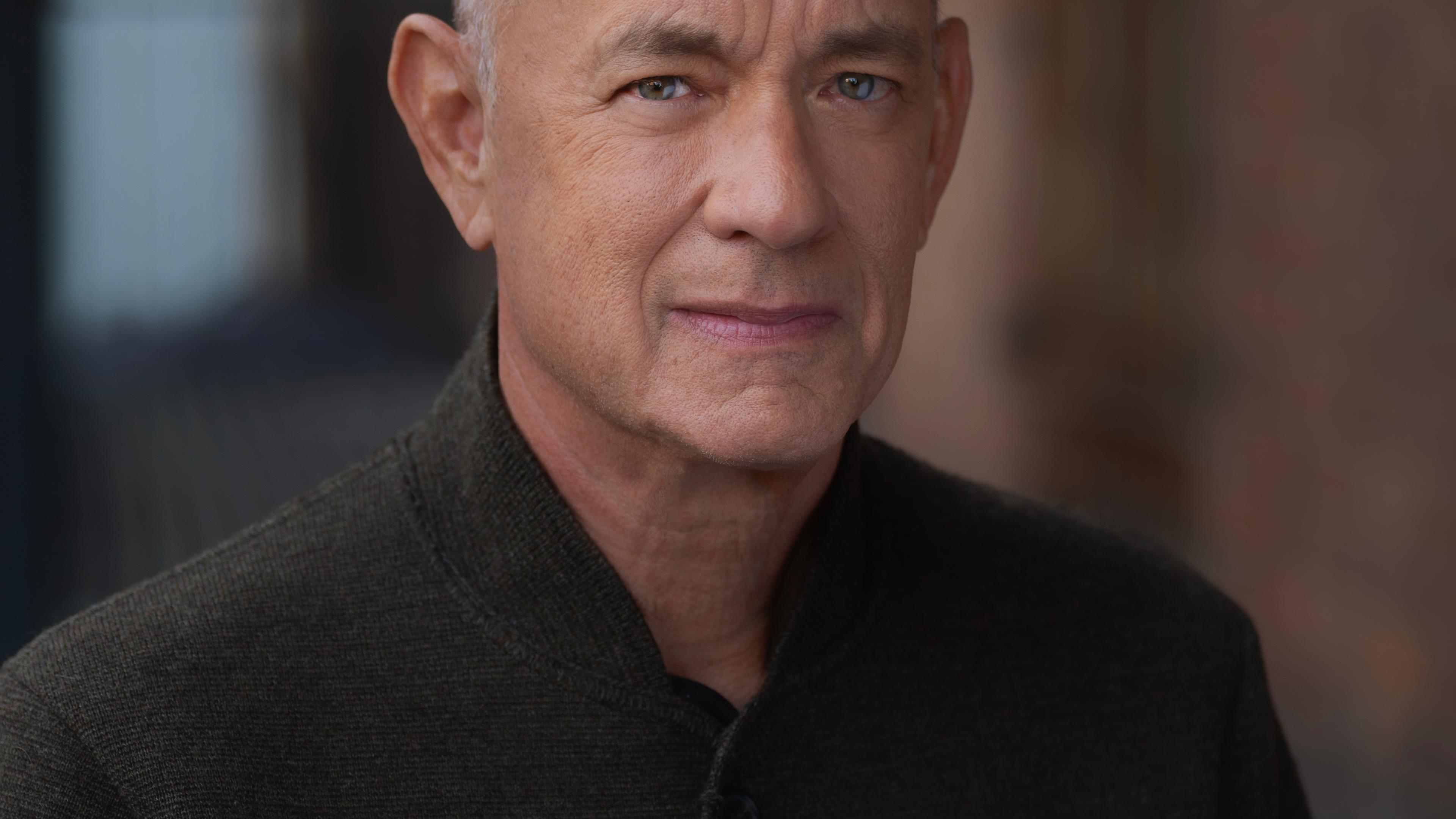
In the HISTORY docuseries, the narrator says recording all 20 episodes was unlike a typical narration job because the material was so surprising and detailed that it often felt like a personal education. Rather than simply reading scripted lines, he says he frequently stopped to question whether certain stories and facts had been checked, only to be told they were accurate. That reaction, he explains, became a recurring part of the process: “I. Did. Not. Know. That.” He adds that many moments in the series were so extraordinary that they would seem implausible if written into a fictional film.
The discussion also turns to the series’ broader purpose, especially what younger viewers might take away from it. Asked what one lesson American high school students should learn, he points to the danger of ignorance and denial in the face of injustice. He draws a comparison between historical mass roundups and a present-day refusal to recognize visible social problems, such as homelessness. His point is that when a society claims not to see what is happening around it, that lack of awareness can become a form of complicity.
He argues that history should not be viewed as distant or irrelevant, but as a warning about what can happen when people ignore signs of human suffering and systemic harm. The message of the series, as he frames it, is that people cannot afford to be passive observers. If communities fail to acknowledge obvious wrongdoing in the present, they risk repeating the mistakes of the past. The interview underscores the emotional impact of narrating the series and the responsibility he feels in helping bring these stories to a wider audience.



/extras/conteudos/the-witcher-3-wild-hunt-blood-and-wine-anna-henrie_b4pj.png "The Witcher 3: CD Projekt Red Announces Special Blood and Wine Livestream")