Mad Max has become one of cinema’s most enduring action franchises, but its identity was shaped by a striking rise from modest beginnings. George Miller’s original 1979 film was made on a small budget, yet it introduced a distinctive post-apocalyptic world built around survival, scarcity, and violent competition for fuel, vehicles, and power. That first movie established the franchise’s signature aesthetic: dust, leather, engines, and a brutal road-war culture where the best car often meant the difference between life and death.
Mad Max 2: The Road Warrior expanded that formula without abandoning it. With a larger budget and a wider audience, Miller delivered a bigger, louder, and more intense version of the original. Max himself became more hardened and damaged, while the world around him grew even more chaotic. Despite the increased scale, the sequel remained faithful to the core idea of a dystopian road movie driven by chases, wrecks, and survival.


The franchise took a dramatic turn in 1985 with Mad Max Beyond Thunderdome. Compared with its predecessors, the film felt glossier, more polished, and more mainstream. It also shifted away from the relentless road-movie structure that defined the first two entries. Instead of centering on constant driving and nomadic conflict, the story spent much of its runtime in one main setting, with only limited travel between locations. The plot introduced a group of child survivors and leaned into a more adventurous, almost family-friendly tone, making the film feel closer to a 1980s adventure fantasy than a pure post-apocalyptic action movie.
That change gave Beyond Thunderdome a unique place in the series. It remains an entertaining film, but it is also the most clearly tied to its era. Its brighter heroism, stylized production, and pop-friendly sensibility make it the one Mad Max chapter that feels less timeless than the rest. While the first two films could easily exist outside their original decades, Beyond Thunderdome is inseparable from the 1980s mood that shaped it.
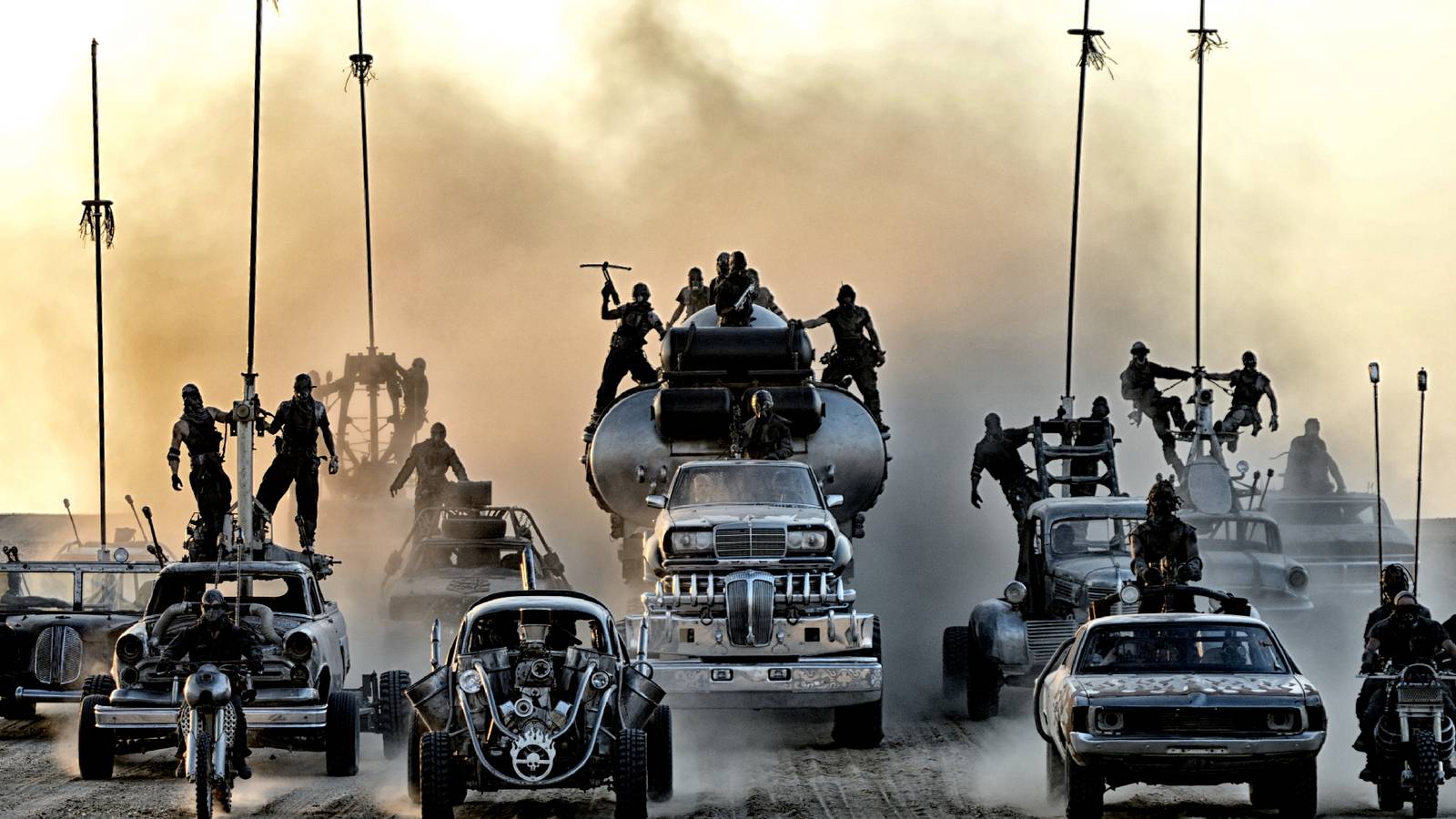
When Mad Max: Fury Road arrived decades later, the franchise corrected course. With Tom Hardy taking over the title role, the film returned to the raw survivalism, furious energy, and vehicle-driven chaos that defined the series at its best. The addition of a more threatening villain in Immortan Joe helped restore the savage tone, while the action leaned heavily into massive chases, practical destruction, and a harsh sense of motion across the wasteland.
Fury Road also proved that Mad Max could evolve without losing its identity. Like The Road Warrior, it took the basic formula and transformed it into something bigger, stranger, and more visually powerful. The result reaffirmed the franchise’s lasting appeal: a world of scarcity, violence, and motion that still feels immediate, even decades after it began.