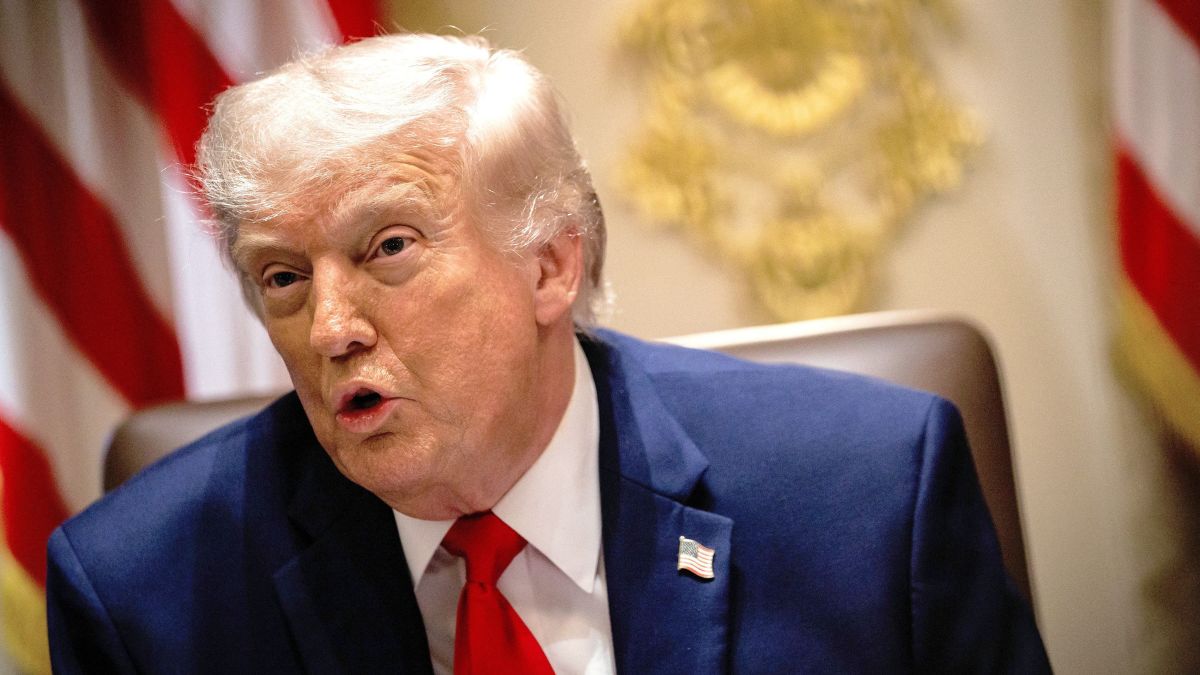
President Donald Trump drew attention during his 12th Cabinet meeting of his current term by saying he does not care about the upcoming November midterm elections, a remark that unsettled Republicans already worried about the party’s prospects. Trump made the statement while defending his handling of the Iran conflict, which began in late February alongside Israel. He argued that Tehran expected political pressure to weaken him, but said he was unaffected by the midterms and pointed to recent developments as evidence of his strength. His blunt comment immediately raised concerns among GOP strategists who see the elections as a key test for Republican control of Congress.
Trump also used the Texas Republican Senate runoff as proof of his influence within the party. His endorsed candidate, Texas Attorney General Ken Paxton, defeated longtime Senator John Cornyn in a decisive landslide, winning 63.8 percent of more than 1.38 million votes. Paxton’s victory speech framed the result as a mandate for change, and Trump praised him as a loyal MAGA supporter. The outcome reinforced Trump’s dominance over Republican politics and highlighted the consequences for GOP officials who oppose him. Cornyn, first elected in 2002, became the first Republican senator from Texas to lose a reelection primary.
/https://i.s3.glbimg.com/v1/AUTH_da025474c0c44edd99332dddb09cabe8/internal_photos/bs/2024/U/w/sxPso2SDWZ7jSfbUjgHQ/108819680-argentinas-forward-10-lionel-messi-celebrates-after-scoring-during-the-2026-fifa-wor.jpg "Argentina Announces World Cup Squad Featuring Flaco López and Messi")
Despite the political significance of Paxton’s win, Republicans are uneasy about what it could mean for the general election. Paxton has raised far less money than Democratic nominee James Talarico, increasing fears that the Texas Senate race may become unexpectedly competitive. Some Republicans privately worry that Paxton’s controversies could force the party to spend heavily defending a seat that has long been considered safe. Although Trump carried Texas comfortably in 2024, strategists now expect the race to be among the most expensive Senate contests in the country.
Political tension is also growing over Trump’s domestic agenda. Senate Republicans left for the Memorial Day recess without approving his immigration enforcement package after backlash over a Justice Department proposal for a $1.8 billion anti-weaponization fund. The measure, intended to compensate people who claimed unfair treatment by past Justice Departments, caught several GOP senators off guard. The dispute delayed billions in funding for ICE and Border Patrol and caused Republicans to miss Trump’s June 1 deadline. Lawmakers also pulled back from another proposal that would have included money for White House security upgrades and Trump’s ballroom project after questions emerged about the cost and use of taxpayer funds.
Trump’s political standing has weakened in public polling as well. A Reuters/Ipsos survey found his approval rating at 36 percent, his lowest since returning to office. Approval of his economic performance fell to 29 percent, below the ratings of former President Joe Biden. An AP/NORC poll later found rising dissatisfaction among Republicans, including growing disapproval of Trump’s handling of the economy and the Iran conflict.
With voters frustrated by high gas prices, economic uncertainty and a prolonged foreign conflict, Trump’s declaration that he does not care about the midterms has deepened Republican fears. As internal divisions grow and key races become more competitive, the party faces mounting pressure heading into November while its president signals that electoral survival is not his priority.