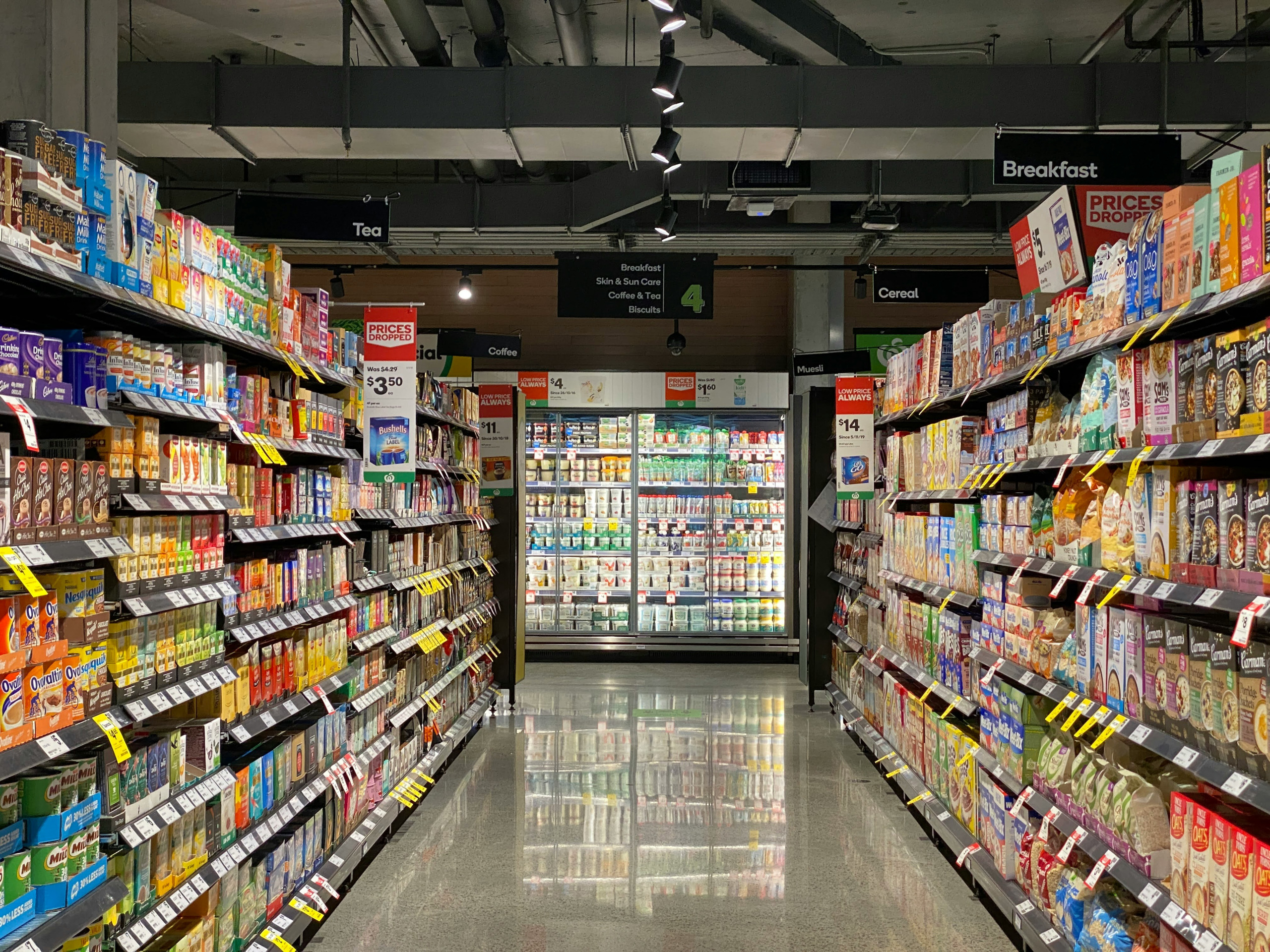
America’s affordability crisis is expected to worsen in the coming months, with economists warning that grocery bills could keep rising through 2027 as consumers face pressure from higher fuel costs, tariffs, extreme weather, drought and a shrinking cattle herd. The outlook comes as President Donald Trump and Republicans confront growing political risk ahead of the November midterm elections, with inflation and household finances emerging as key voter concerns.
Food prices jumped sharply in April, marking the biggest monthly increase in nearly four years. While the U.S. Department of Agriculture has projected grocery inflation of 3.2% in 2026, some economists say that estimate may prove too low. Ricky Volpe, a former economist with the USDA’s Economic Research Service, said food is becoming less affordable and warned that consumers should prepare for a difficult year. He estimated inflation could run between 4% and 4.5%.


The higher prices are already changing how Americans shop and eat. Some households are cutting back on prepared foods, meat and other staples, while trying to stretch budgets in creative ways. One Wisconsin resident said he has reduced spending on groceries and started growing potatoes in his backyard to offset rising costs, reflecting the broader strain many middle-income families are feeling.
Weather-related damage is adding to the problem. The U.S. has experienced an unusually hot start to the year, with temperatures far above normal through April. Early warmth caused some crops to blossom too soon, leaving them vulnerable to frost damage. Severe storms also hit Florida tomato crops, pushing tomato prices up sharply in a short period. At the same time, drought is spreading across major agricultural regions. Large shares of winter wheat and corn production are now in drought zones, while California, a key source of fruits, vegetables and nuts, is facing irrigation concerns after snowpack levels dropped well below normal.
Global energy disruptions are worsening the inflation picture. The conflict with Iran has driven gasoline prices higher after concerns about shipping through the Strait of Hormuz, one of the world’s most important oil routes. Fertilizer costs have also climbed, raising the likelihood that farmers will pass those expenses on to shoppers later this year through higher prices for produce, grains and meat.
Beef is already becoming more expensive. The national cattle herd has fallen to its smallest size in 75 years, a decline linked to prolonged drought and higher production costs. That shortage has pushed beef prices to record levels, with ground beef rising significantly from early 2024 to April 2026.
Economists and food industry leaders say many consumers are still measuring today’s grocery bills against pre-pandemic prices and feeling the difference acutely. The Federal Reserve Bank of New York has also reported a noticeable rise in food insecurity in recent months, while household debt has increased and savings have fallen. Together, those trends suggest the cost-of-living squeeze is deepening just as the political stakes rise for the Trump administration.