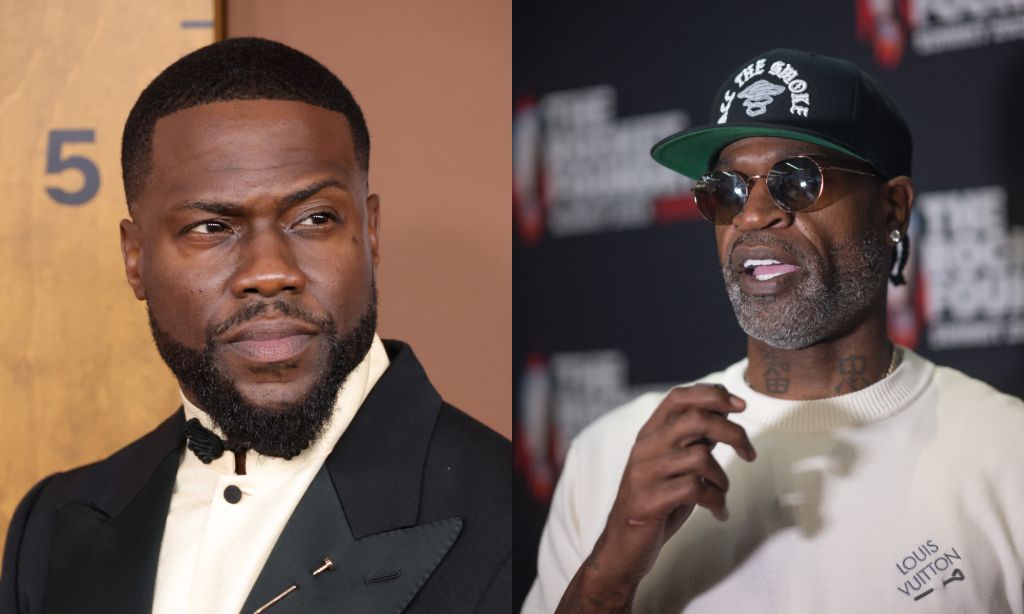
Kevin Hart is facing renewed criticism after addressing backlash over a George Floyd joke made by comedian Tony Hinchcliffe during Netflix’s “The Roast of Kevin Hart.” Hart discussed the controversy on The Breakfast Club and appeared frustrated that the joke had sparked outrage, which upset many viewers who felt the subject was too sensitive for comedy. The reaction intensified because the remark referenced Floyd, whose death remains deeply painful and politically charged for many Black Americans. Hart’s comments were seen by some as dismissive of legitimate concerns about humor that targets the dead.
Former NBA player Stephen Jackson, who was close friends with Floyd and has been outspoken on police brutality, publicly pushed back against Hart’s account of their conversation. Jackson said he made clear that he does not find jokes about dead people funny, especially when the jokes demean victims who cannot defend themselves. He said that disrespecting the dead is “the lowest thing” a comedian can do and argued that talent should not depend on attacking vulnerable people. Jackson also rejected the idea that roast comedy automatically excuses offensive material.

In his response, Jackson stressed that people cannot be told what to find offensive. He said many will laugh at jokes until the topic becomes personal, especially when the person being mocked is someone in their own family. According to Jackson, the standard changes when grief becomes real and close to home, and that is why criticism of the joke should be taken seriously rather than dismissed as oversensitivity. He added that if someone cannot respect that pain, then their perspective is “wack.”
The dispute has added another layer to the debate over roast comedy, free expression, and whether comedians should be given wide latitude when making jokes about tragedies, violence, or public deaths. While some defend offensive comedy as part of the genre’s tradition, others argue that certain subjects cross a line when they involve murdered people and families still dealing with loss. Hart’s attempt to explain the situation has not ended the criticism, and Jackson’s public remarks made clear that the offense was not a misunderstanding but a principled objection to joking about the dead.