Trans People Are Facing Segregation Now. Parliament Must Restore Our Rights | Alexandra Parmar-Yee

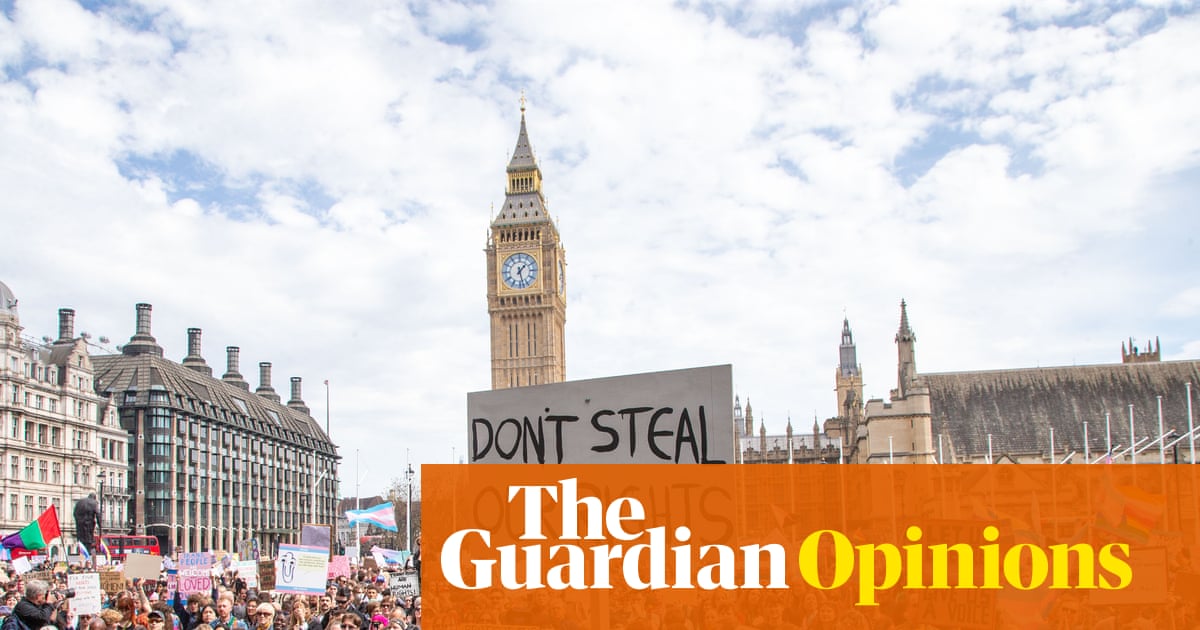
A recent UK Supreme Court ruling has sharply intensified concerns among transgender people, after the court decided that the words “man” and “woman” in the Equality Act refer to biological sex. The ruling has been welcomed by ministers and gender-critical campaigners, but it has also triggered alarm among trans people and equality advocates who say it undermines long-standing understandings of access, dignity and protection under the law.
The article argues that the Equality and Human Rights Commission’s initial guidance went even further, effectively pushing trans people out of services and associations that align with their gender, including women’s groups, men’s groups, and lesbian and gay spaces. Although the commission has since softened its draft guidance, the revised version still gives no clear path for inclusive men’s and women’s services to remain open to trans people. Instead, it appears to encourage exclusion and segregation in everyday spaces such as toilets, hospital wards, workshops and clubs.


The author says the practical consequences could be wide-ranging and costly. The official assessment cited in the article estimates that changing facilities could cost more than half a billion pounds, while legal challenges could follow. More importantly, the writer warns that trans women may face greater risks of violence and sexual assault if forced into men’s spaces, while other people, including masculine-presenting women and disabled people, could also face increased scrutiny and harm under a system that polices appearance and gender.
The article portrays the impact as deeply personal and socially damaging. Trans people may find themselves checking bathroom access before leaving home, avoiding public places, or self-excluding from work, healthcare and community life. The writer describes fear about being admitted to a men’s hospital ward and says many trans people now worry about being outed, excluded or placed at risk simply for trying to use services.
The central argument is that legal protection for trans people has been weakened to the point of becoming unworkable, and that politicians cannot shift responsibility onto the courts. According to the article, Parliament and the government still have the power to change the law and should do so. Without action, the writer warns, the UK risks becoming a country where trans people are treated as second-class citizens, with lasting consequences for LGBTQ+ rights and social inclusion.