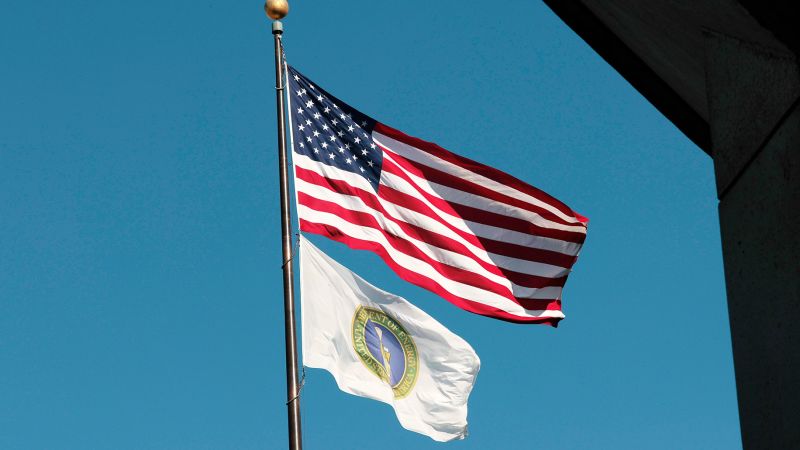
The Trump administration has moved to open negotiations with five private companies on access to weapons-grade plutonium from Cold War-era warheads, a potential step that could reshape the U.S. advanced nuclear sector while raising fresh proliferation concerns. The Energy Department said Tuesday it had chosen Oklo Inc., Exodys Energy, SHINE, Standard Nuclear and Flibe Energy for “advanced negotiations” under its Surplus Plutonium Utilization Program, although no final agreement has been reached. The program is intended to explore whether surplus plutonium can be converted into fuel for next-generation small modular reactors, which are attracting interest from energy companies and big tech as electricity demand rises, especially from artificial intelligence and other power-intensive industries. Supporters say the plan could accelerate the development of advanced reactors by easing one of the industry’s biggest constraints: access to fuel. Advanced reactors generally need highly enriched uranium or other specialized fuel, and domestic supply chains remain limited. Oklo’s CEO Jacob DeWitte said the DOE initiative could create a pathway to use extra plutonium as a “bridge fuel” while more U.S. enrichment capacity is built. The Energy Department’s Mike Goff said the negotiations could help broaden domestic nuclear fuel supplies, spur recycling technologies and support what he described as a U.S. nuclear renaissance. The selected companies have each been working on advanced nuclear and fuel-cycle technologies, and some have already cooperated with federal labs such as Los Alamos National Laboratory. But the proposal has also drawn criticism from lawmakers and nonproliferation experts who argue that allowing weapons-usable plutonium into private industry could increase the risk of diversion, theft or misuse. In a September letter, Democratic Sen. Ed Markey and Reps. Don Beyer and John Garamendi warned that the move could set a precedent encouraging other countries to justify civilian uses of plutonium, making it harder for the United States to discourage proliferation abroad. The question of what to do with surplus plutonium has been debated for years. During the Biden administration, the Energy Department and the National Nuclear Security Administration pursued a different plan: diluting the material and burying it underground in New Mexico. That debate reflects a broader push across administrations to find productive uses for parts of the U.S. nuclear stockpile while reducing long-term storage burdens. At the same time, private companies are racing to rebuild U.S. uranium enrichment and fuel capabilities. Industry leaders say the fuel bottleneck is one of the main obstacles to bringing advanced reactors online quickly. SHINE founder and CEO Greg Piefer said turning stored surplus material into fuel is exactly the kind of challenge his company was built to solve. The negotiations now underway could determine whether plutonium becomes a key bridge fuel for the next generation of reactors or a new flashpoint in the global debate over nuclear security.




/https://i.s3.glbimg.com/v1/AUTH_da025474c0c44edd99332dddb09cabe8/internal_photos/bs/2026/z/Q/D0xoKzSE20FSKYQoK7Mw/arte-2026-05-20t234405.967.png "Ex-chefe da comunicação de Flávio diz ter sido alvo de “ataques covardes” na campanha após crise de mensagens entre o senador e Vorcaro")