Khulna City Corporation administrator Nazrul Islam Manju has assured jute workers that their ongoing protest and sit-in in Daulatpur will be suspended for now, after he spoke with union leaders and promised that their demands would be discussed at a high-level meeting on June 2. The demonstration, organized by the Daulatpur Jute Press and Baling Workers Union, began on Sunday morning in front of the Bangladesh Jute Association office in the Daulatpur area of Khulna. Workers gathered to demand the immediate withdrawal of what they described as an unconditional ban on the export of raw jute, along with compensation for workers who lost wages when operations were halted without prior notice.
During the protest, union leaders said the export restriction had triggered a severe crisis in the jute sector, leaving thousands of workers unemployed and pushing the country’s traditional jute industry toward destruction. They argued that the ban was imposed for the personal business interests of the former jute adviser and called the measure a “black law,” insisting it should be revoked without delay. Union leaders present at the event included senior vice president Delwar Hossain, general secretary Shafiqul Islam Mithu, worker leader Shariful Islam, and Md. Akkas Chakladar, among others.


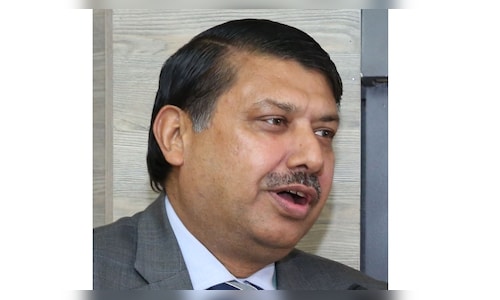
Around noon, the KCC administrator arrived at the scene and urged the workers to temporarily suspend their agitation. He told them that the jute workers’ crisis and demands had already been discussed with the prime minister and said a significant meeting was scheduled for June 2. He expressed hope that the meeting would lead to a positive decision in favor of the workers’ legitimate demands. Following his assurances, the worker leaders announced a temporary suspension of the program.
The protest had centered on two key demands: lifting the restriction on raw jute exports and compensating workers affected by the sudden closure of work without notice. Participants said the disruption has caused widespread hardship among laborers dependent on jute-related jobs in Khulna and nearby areas. They warned that if the issue is not resolved promptly, the industry will face deeper losses and more workers may lose their livelihoods.
The temporary pause in the demonstration reflects a wait-and-see stance ahead of the June 2 meeting, which workers hope will bring a concrete resolution. For now, both the administration and union leaders appear to be holding out for a decision that could ease the crisis and restore activity in the jute sector.