Millions Take Calcium and Vitamin D for Bone Health, but Major Review Finds Little Benefit

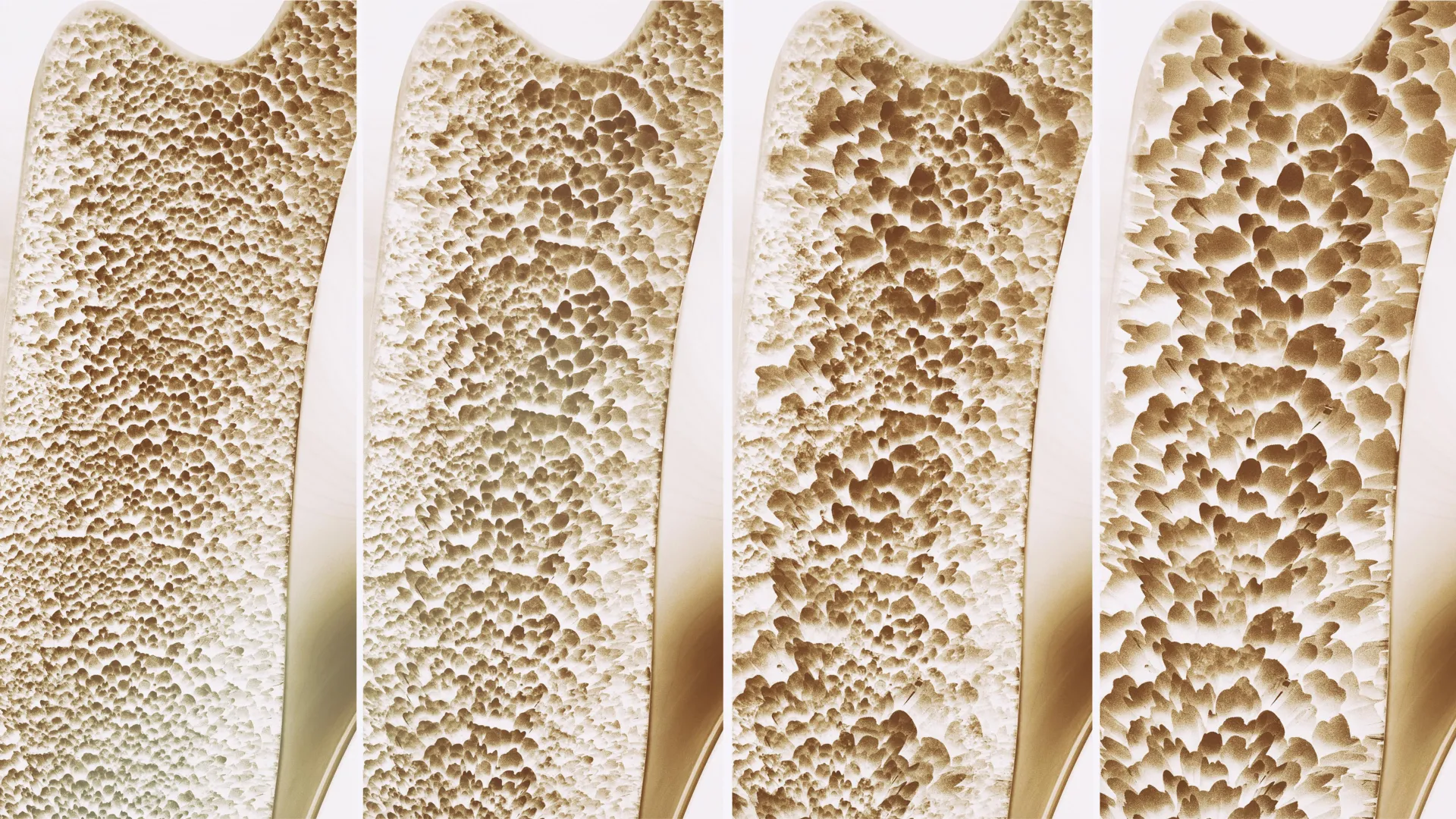
A comprehensive review published in The BMJ suggests that calcium supplements, vitamin D supplements, or taking both together provide little to no clinically meaningful benefit in preventing fractures or falls for most older adults.
Falls remain a major public health concern among seniors. Nearly one in three adults aged 65 and older falls each year, and many of these incidents lead to fractures. Such injuries can cause pain, loss of independence, reduced quality of life, and in some cases the need for long-term care. As populations age, preventing falls and fractures continues to be an important health priority worldwide.
The new analysis examined evidence from 69 randomized controlled trials involving 153,902 adults. Researchers in Canada compared calcium, vitamin D, and combined calcium-plus-vitamin D supplementation against placebo or no treatment to assess whether these interventions lowered the risk of falls and fractures. The studies varied in quality, but the team assessed them using established methods for bias and certainty of evidence.
After applying thresholds for what would count as a clinically meaningful benefit, the researchers found little to no reduction in overall fracture risk from calcium supplements, vitamin D supplements, or the combination of both. The evidence was moderate to high certainty across the main comparisons. They also found little to no benefit for preventing hip fractures or reducing falls, again supported by moderate to high certainty evidence.
The results remained broadly consistent across different groups and assumptions. Additional analyses showed similar findings after adjusting for factors such as age, sex, prior fractures, prior falls, and average dietary calcium intake. The authors said this consistency strengthens confidence in the overall conclusion that routine supplementation is unlikely to help most older adults avoid fractures or falls.
The researchers did note some limitations. In parts of the analysis, the number of studies and participants was relatively small, so the findings should be interpreted with some caution. They also said the results may not apply to people with certain bone disorders or to those already being treated for osteoporosis.
Despite the lack of clear benefit in the review, vitamin D supplements, with or without calcium, remain widely recommended by healthcare providers, professional guidelines, and regulatory agencies for bone health. Use of these supplements has also increased in recent years, underscoring the gap between common practice and the current evidence base.
Based on the available data, the authors concluded that the findings do not support routine supplementation with calcium or vitamin D, or both together, to prevent fractures and falls. They said clinicians, guideline panels, and regulators should reassess general supplementation recommendations in light of the evidence.
In a linked editorial, researchers called for larger, more rigorous clinical trials in higher-risk groups. Until then, they said resources may be better directed toward strategies with proven benefits, including balance training, resistance exercise, and personalized fall prevention programs that combine exercise, home hazard assessment, and education tailored to individual risk factors.




/https://i.s3.glbimg.com/v1/AUTH_59edd422c0c84a879bd37670ae4f538a/internal_photos/bs/2026/c/4/6tplOaRvCmlyohfQO29w/co-2026-05-27t214921.447.jpg "Driver Dies in Truck Collision on BR-020 in Posse")