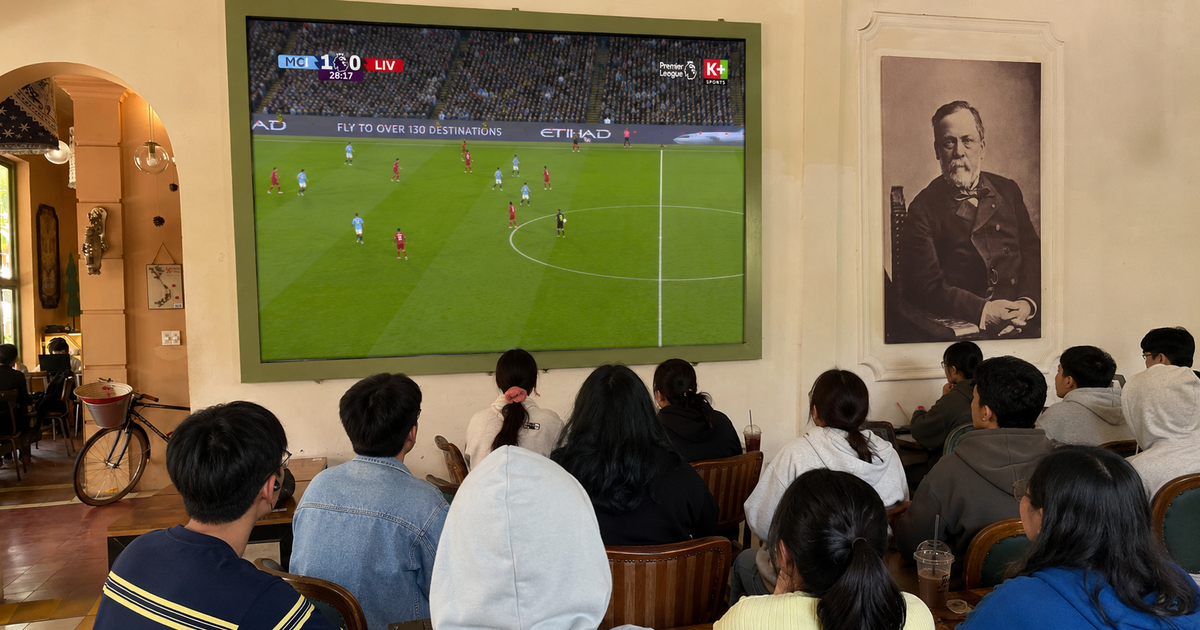
FIFA’s official calendar shows that the 2026 World Cup will be held from June 11 to July 19, 2026, across three co-host nations: the United States, Canada, and Mexico. In Ho Chi Minh City and nearby areas, young fans and students say they are still excited to watch the tournament together, even in an era when football can be streamed easily on phones and laptops.
Several interviewees described group viewing as a more emotional and memorable experience than watching alone. Students from Vietnam National University Ho Chi Minh City and other universities said that gathering around a television or big screen creates a louder, more lively atmosphere, especially during major matches. They said shouting, reacting, and sharing emotions with family or friends makes World Cup viewing feel more special. Many also noted that although modern technology allows people to watch matches anywhere, it has not replaced the tradition of watching together.

Some fans said they would adjust their schedules to follow their favorite teams. One student said he would not miss any England match, while another planned to reduce part-time work and organize classes around the tournament. Other interviewees mentioned their support for France and South Korea, saying they intended to watch those teams’ matches closely because of their favorite players and national squads.
At the same time, the article highlights the risks of letting football passion interfere with daily responsibilities. Several young people admitted that previous World Cups caused them to stay up late, miss classes, or arrive late to school the next morning. One student said he had once skipped classes to watch matches and later had to retake lessons, which hurt his academic performance. After those experiences, he concluded that football is entertainment and should not come before studying or working.
Others echoed that view, saying it is understandable to be devoted to football, especially during a World Cup, but that fans should maintain balance. They stressed that school, work, and health should remain priorities, and that excessive late-night viewing can affect both daily life and long-term goals.
The overall message from the interviews is that World Cup football remains a powerful social event that brings people together, strengthens emotions, and creates shared memories. But it also serves as a reminder that passion for sport should be managed responsibly. For many young fans, the ideal World Cup experience is not only about watching the matches, but about enjoying them in a way that does not disrupt education, work, or personal well-being.