Melinda French Gates on Meeting Jeffrey Epstein, Donating Billions and Finding Post-Divorce Peace

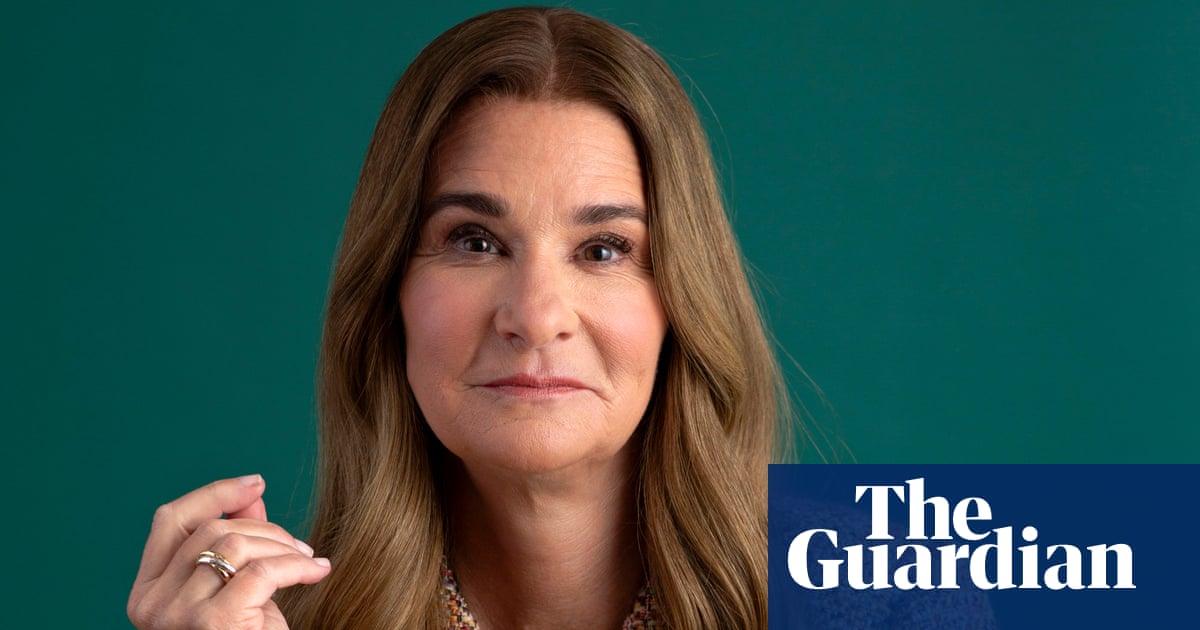
Melinda French Gates says she is in a “beautiful” new phase of life, five years after her divorce from Microsoft co-founder Bill Gates and two years after leaving the Gates Foundation to focus on Pivotal, the philanthropic organization she founded in 2015 to advance women’s empowerment. Now 61, an empty nester and grandmother, she describes a slower daily rhythm: browsing an independent bookstore, taking evening walks with friends in Seattle, and starting mornings with a stroll by Lake Washington. For someone with an estimated net worth of $30 billion, her routines appear modest, but she says they reflect a deliberate choice to stay close to home and notice the world around her.
At Pivotal’s lakeside office, French Gates presents herself as polished, composed and deeply committed to public service. She says her current work remains demanding, with Pivotal already pledging $2 billion to initiatives supporting women and families, while also receiving $12.5 billion from Bill Gates in 2024 as part of their settlement agreement. Her focus now is on advancing women’s health, reproductive rights and broader gender equity, particularly at a time when she believes women’s rights are under pressure in the United States.
.webp "McLaren Back in the Fight? Barcelona Practice Hints at a Mercedes Showdown")

The interview turns sharply to Jeffrey Epstein, a subject French Gates has described as deeply distressing. She says she met Epstein only once and found him so repugnant that she had nightmares afterward. When asked about the harm caused by Epstein and the silence of powerful men connected to him, she argues that the justice system failed and that abuse thrives in secrecy. She says survivors deserve peace and justice, and that society must demand more transparency and accountability.
French Gates also links her philanthropy to a wider effort to counter misogyny and improve women’s lives. This month, she is committing $215 million in new funding for women’s health care, including reproductive health and menopause-related initiatives. She says women have been under-prioritized in medical research for decades, noting that only a tiny fraction of global medical innovation funding goes to women’s health. She argues that perimenopause and menopause are often invisible despite affecting women at a critical stage in life and contributing to suffering, work disruptions and poor health.
Her activism on reproductive freedom is rooted in both field experience and personal conviction. She says years of work in Africa and Southeast Asia taught her the importance of family planning, and she calls the overturning of Roe v. Wade devastating. She believes abortion access should be a legal right and says women should make decisions about their own bodies in private, free from government interference. As a Catholic, she says she studied the church’s history carefully before arriving at that position.
French Gates also reflects on the origins of her wealth and philanthropic mission. Raised in Dallas in a middle-class Catholic family, she studied computer science and earned an MBA at Duke before joining Microsoft in 1987, where she helped lead product teams. After marrying Bill Gates in 1994 and leaving Microsoft before their first child was born, she devoted herself increasingly to philanthropy. Together, the Gateses helped build the Gates Foundation into one of the world’s largest charitable organizations, donating more than $100 billion over 25 years to global health and poverty initiatives.
She acknowledges that the current climate is hostile to philanthropy, with social responsibility among billionaires increasingly unfashionable. Still, she says the deeper problem is inequality: too many people struggle with rent, groceries and housing, while vast wealth remains concentrated. Though cautious about policy solutions, she insists that society needs far more equity.
French Gates says she does not think much about legacy, but she is motivated by the world her granddaughters will inherit. What matters most to her, she says, is whether her work makes life easier for others. By that measure, she believes, philanthropy remains worthwhile. Despite her divorce, the Epstein fallout and broader political battles, she says she is “very happy” and intends to keep working full time for at least another decade.