The 2026 World Cup is set to begin tomorrow evening at Azteca Stadium in Mexico City, with co-host Mexico facing South Africa in the opening match of a record 104-game tournament spread across Canada, Mexico, and the United States. The expanded competition will feature 48 national teams and culminate with the final on 19 July, drawing millions of fans in person and billions more watching around the world.
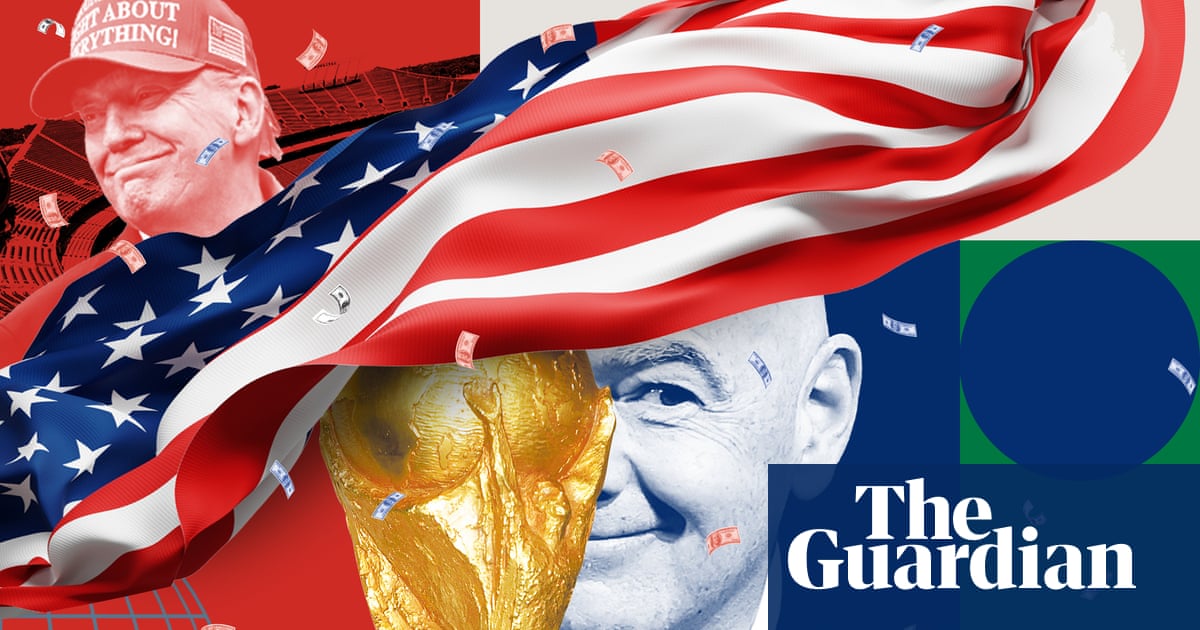
Although the tournament is supposed to be a global celebration of football, Donald Trump is already looming over the event. FIFA has cultivated a close relationship with the US president, even creating a special award for him after he was passed over by the Nobel committee. Trump is widely expected to use the tournament to project himself onto the world stage, and there is speculation he could present the trophy to the winning team. Organisers have faced criticism for giving little public resistance to his administration’s highly unusual approach to the event.


The biggest concerns are not only political but logistical. Questions remain over whether fans from around the world will be allowed into the United States under strict immigration rules. Reports have already emerged of Scottish supporters having entry permits revoked and Iranian fan allocations being cancelled just days before kickoff. Players and officials have also been affected, with a Somali referee denied entry, Iraq striker Aymen Hussein detained for hours on arrival in Chicago, and Iranian players forced to travel in and out of the US on match days because they are not permitted to stay overnight. Several Iranian officials and support staff have also reportedly been refused visas.
FIFA, meanwhile, is expected to make enormous profits from the tournament. The 2026 World Cup is projected to generate about $13 billion for the governing body across the cycle, with nearly $9 billion expected this year alone. Critics say FIFA has repeatedly shown a willingness to work with controversial host governments, and campaigners are preparing to file a major complaint over the organisation’s conduct.
Despite the tensions, there is growing excitement about football in the United States. Interest in the sport has increased significantly since the 1994 World Cup, and the Premier League is now one of the most watched sports leagues in the country. The share of Americans who say they actively follow football has risen in recent years, and the sport is now the fourth-most-popular spectator sport in the US.
Diaspora communities across North America are also expected to help create a vibrant atmosphere, with support for teams from Africa, Asia, the Caribbean, and elsewhere. The tournament includes several debutants, such as Curaçao, Cape Verde, and Uzbekistan, and large immigrant populations in cities like Los Angeles are expected to help fill stadiums and create strong away-team support.
On the field, the tournament looks highly competitive, with Spain, France, Argentina, England, Brazil, and Portugal all seen as leading contenders. The World Cup promises six weeks of global attention, political tension, and sporting drama as the biggest event in football gets underway.