Karnataka Congress Rule Not Mandatory for Chief Minister Post, Says Satish Jarkiholi, Citing Siddaramaiah Example

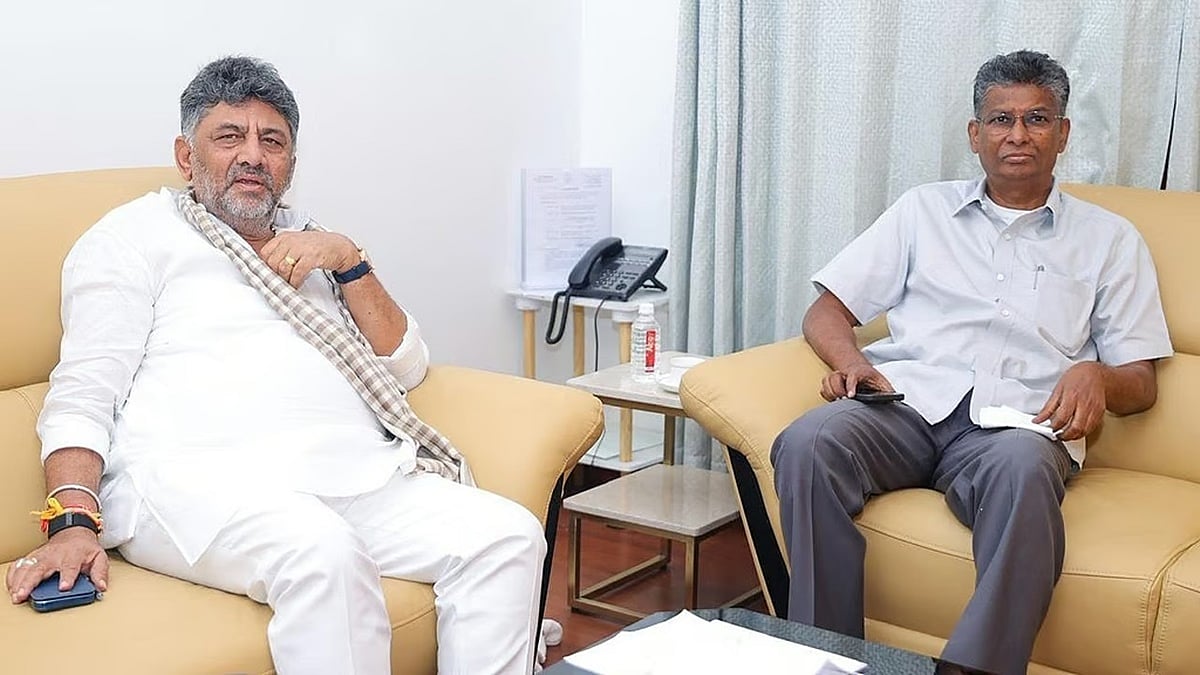
Karnataka minister Satish Jarkiholi has said that there is no rule requiring a person to be the KPCC president in order to become chief minister, citing Chief Minister Siddaramaiah as an example. His comments come amid continuing political discussion within the Congress in Karnataka over leadership, party responsibilities and the principle of “one person, one post.”
Jarkiholi’s remarks were made in the context of speculation around internal party positions and possible future leadership changes. By referring to Siddaramaiah, he argued that political elevation does not necessarily depend on holding the state Congress president’s post first. He suggested that experience, public support and political circumstances can matter more than a formal organizational role.


The “one person, one post” principle has often been discussed in Indian political parties as a way to avoid concentration of power and to distribute responsibilities more evenly. In this case, Jarkiholi’s statement appeared to reinforce the idea that party and government roles should be kept distinct, and that a leader can rise to the chief minister’s office without first serving as KPCC president.
His comments are likely to be read as part of the wider debate over the Congress’s internal structure in Karnataka, where leadership questions often attract attention due to the state’s political importance. The discussion also reflects the ongoing balancing act between party organization and government administration.
By invoking Siddaramaiah, Jarkiholi underlined that precedent already exists within the party. Siddaramaiah, a senior Congress leader, became chief minister without the KPCC presidency being a prerequisite. Jarkiholi’s point was that such examples show flexibility in the party’s leadership choices.
The statement may also be seen as an indirect response to those who believe organizational posts are necessary stepping stones to higher office. Jarkiholi’s position suggests that the Congress should not treat the KPCC chief post as the only route to the chief ministership. Instead, he indicated that the party should focus on broader political leadership and administrative capability.
Political observers often view such remarks as significant because they can influence perceptions within the party rank and file. Even when not framed as an official decision, comments from senior leaders can shape debates about succession, authority and future power-sharing arrangements.
The issue of leadership in Karnataka has remained sensitive, particularly as the Congress works to maintain unity among senior figures and different regional and factional interests. Statements like Jarkiholi’s often become part of a larger conversation about how the party will manage its internal equations while preparing for future electoral and governance challenges.
Overall, Jarkiholi’s message was clear: the KPCC presidency should not be treated as a mandatory qualification for the chief minister’s post. Using Siddaramaiah as proof, he argued that political leadership in the Congress can take different forms, and that the route to the top does not have to follow a single fixed pattern.