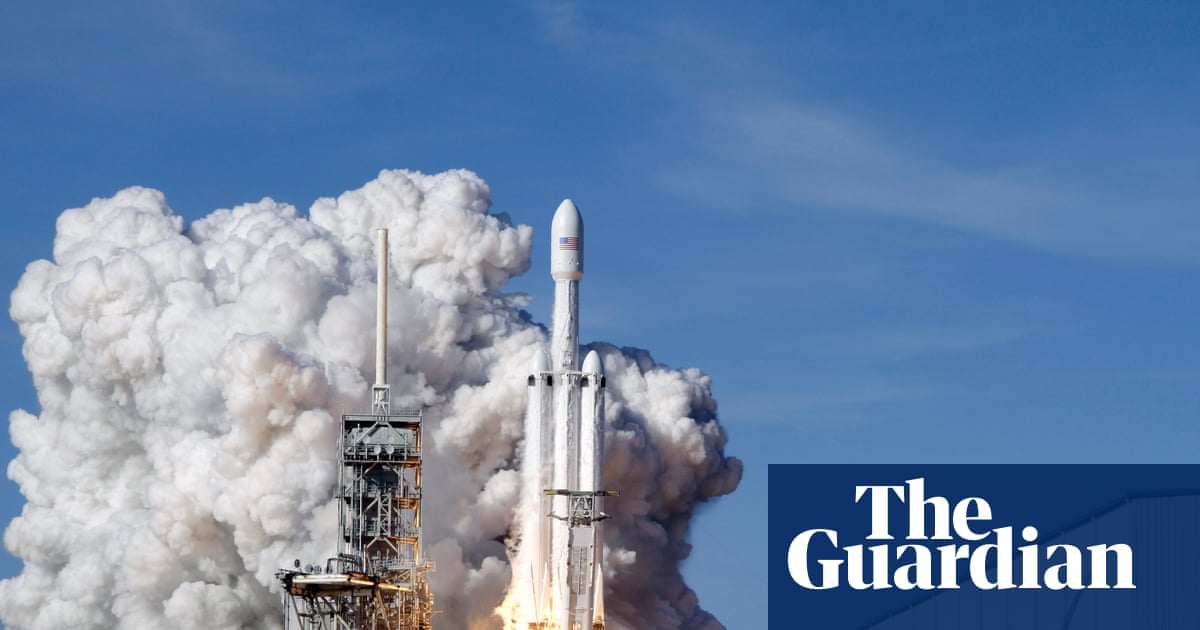
SpaceX is being described as the largest stock market launch in history, with shares expected to be released on 12 June at a valuation of $135bn. The company plans to sell 555.6 million shares, raising about $75bn. The official share price is expected to be set on 11 June, based on investor demand.
The shares will be listed on Nasdaq in New York, and some investors may gain exposure indirectly through index tracker funds and other investment vehicles. In the UK, some investment trusts already hold SpaceX, including Edinburgh Worldwide and Baillie Gifford US Growth. Retail investors in the UK may also be able to apply through platforms such as AJ Bell and Hargreaves Lansdown, while US access is expected through brokers including Charles Schwab, Fidelity, Robinhood, SoFi Technologies and Morgan Stanley’s E*Trade.
/https://i.s3.glbimg.com/v1/AUTH_bc8228b6673f488aa253bbcb03c80ec5/internal_photos/bs/2026/n/4/JGRDoeStOcWqsK79nEYg/gettyimages-2280076407.jpg "Brazil lineup: Ibañez is the new name for the friendly against Egypt")

For investors hoping to buy directly, platforms will likely require registration of interest before the final pricing date. Minimum subscriptions are typically around £1,000, and applications may close before the listing. Experts note that access to US IPOs is often limited for UK retail investors, but this offering is attracting broader broker participation because of strong demand and the commercial appeal of the deal.
Allocation remains uncertain if the IPO is oversubscribed. That means demand could exceed the number of shares available, leaving some investors with only part of what they requested, or possibly none at all. In some cases, shares are distributed proportionally or with smaller amounts filled first. Once the stock begins trading, investors will also be able to buy shares in the open market at the prevailing price.
SpaceX founder Elon Musk is not selling any of his own holdings in the offering and will continue to hold 82.4% of the voting power. That means new shareholders are unlikely to have any meaningful influence over company decisions, even if they buy a large stake. The IPO may offer a chance to own part of a high-profile business, but it does not change control of the company.
Analysts see SpaceX as a potentially high-growth but risky investment. Supporters point to major opportunities in US government defence work and the development of Starship, the company’s reusable launch system, which could expand SpaceX’s cargo and long-distance travel capabilities. At the same time, there are significant risks, including launch failures, regulatory changes, rising competition and any reputational damage tied to Musk’s public statements.
Because the company is being launched at a very large valuation, some analysts believe the IPO price may already be stretched. Even so, they say the share price may be supported initially by strong demand and forced buying from index funds. For individual investors, the main takeaway is that SpaceX is a speculative opportunity rather than a low-risk purchase, and any decision to buy should take into account concentration risk, volatility and the possibility of sharp price swings after listing.