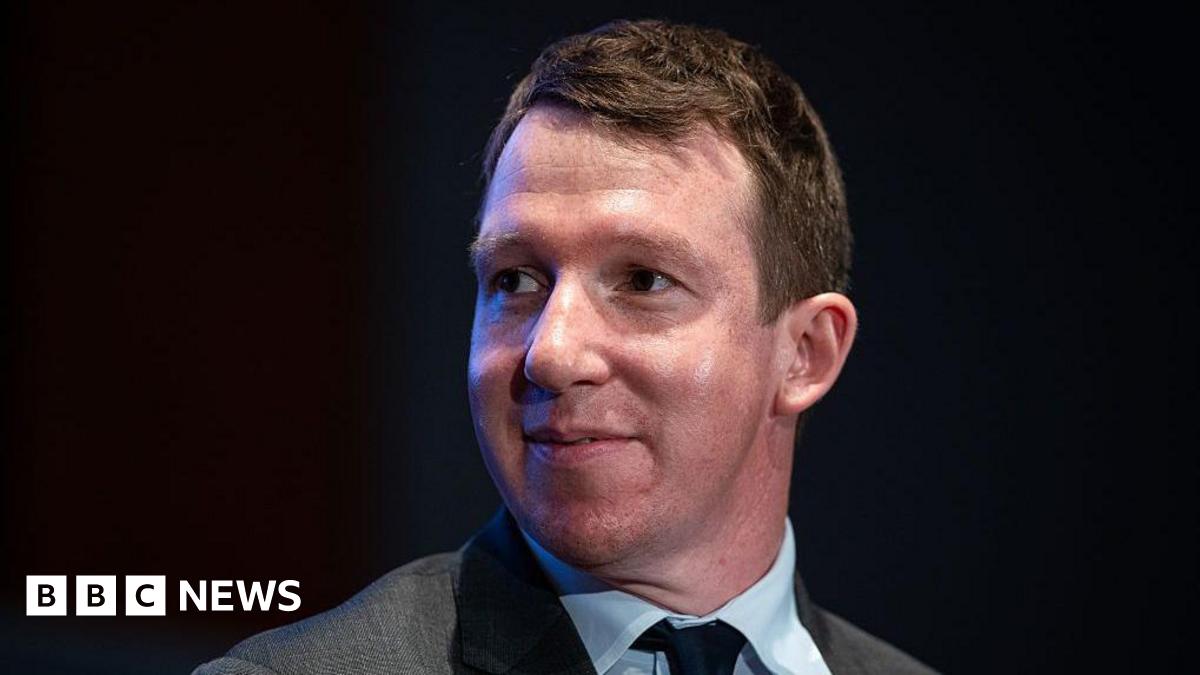
Anthropic executive Jack Clark has said the company’s chatbot Claude is already running on code that is about 80% written by AI systems, and he believes that share could reach 100% within two years. He said that shift would have major implications for how software is built and how quickly AI capabilities can advance. Clark compared the need for AI oversight to the way society eventually regulated the oil industry, arguing that governments should create a sensible policy and regulatory framework that gives the public confidence in the technology without depending on the personalities of company leaders.
His comments came as Anthropic welcomed a recent U.S. executive order on artificial intelligence that takes a relatively hands-off approach and does not require government safety testing, which remains voluntary. At the same time, major AI companies including Anthropic, OpenAI and Google have not agreed to pause their own research.


Anthropic, founded five years ago, has grown rapidly and is preparing for a public listing. Private investors have valued the company at nearly $1 trillion, making it one of the most valuable potential stock market debuts in history. Clark said the company speaks publicly about AI’s growing power not to win over customers, but to inform the public about what it is seeing inside these systems.
The company has also taken an unusually outspoken position on AI risks. Under chief executive Dario Amodei, Clark and other executives have warned about the dangers of misuse and have even clashed with the U.S. Department of Defense over fears that AI tools could be used for mass surveillance or autonomous weapons.
Clark said he is worried about the consequences of rapid AI progress, especially for younger generations. He said society needs a serious conversation about both the benefits and the risks of AI. Among the concerns he raised was disruption to the labor market, as increasingly capable AI “agents” — bots that can perform routine tasks with a degree of independence — could replace some human workers. Large technology companies have already carried out major layoffs over the past year, often pointing to AI’s ability to do work once done by hundreds or thousands of engineers.
He also said creative people may have an edge in the AI era. Clark argued there is still no strong evidence that AI systems are truly creative, and he said Anthropic is currently constrained more by the supply of good ideas than by the ability to turn those ideas into working products. For young people worried about an economy shaped by AI, Clark suggested developing hobbies, reading widely and studying the liberal arts. He said curiosity and broad interests could become even more valuable as AI becomes more capable.