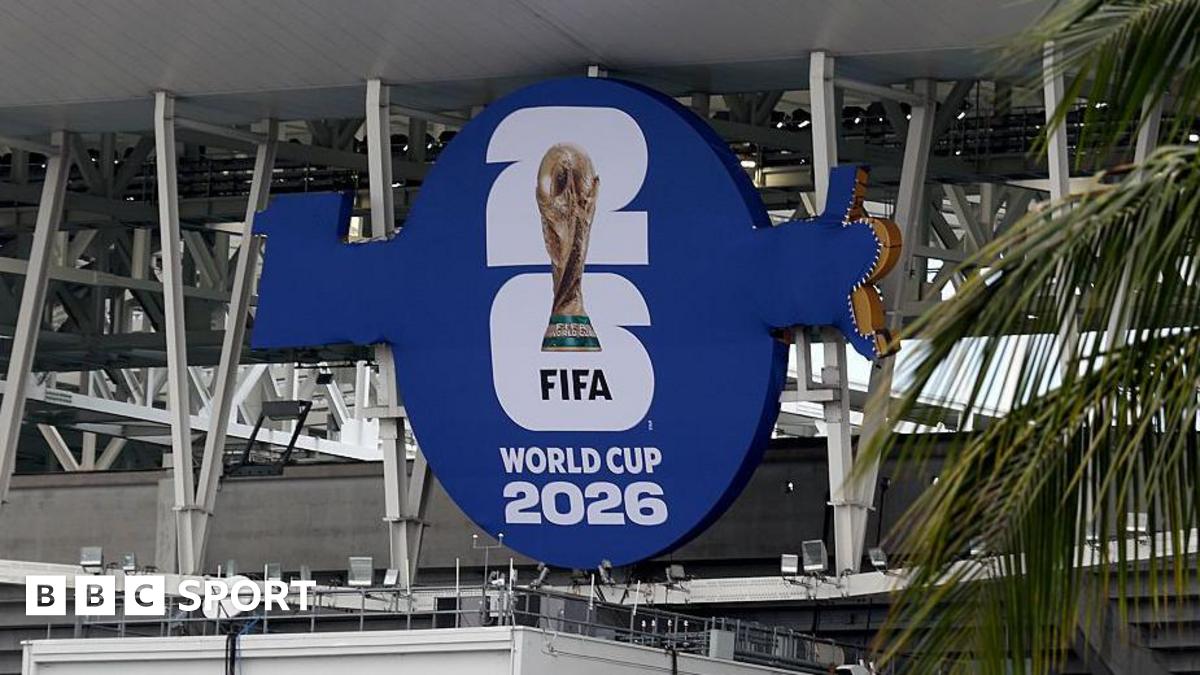
Fifa has been encouraging fans to use its official resale platform, where it charges a 15% fee from both buyers and sellers. On its FAQ page, world football’s governing body says it “strongly encourages” fans to buy tickets only through its official channels and warns that tickets obtained elsewhere may be invalid and can be cancelled without notice.
Yet on Tuesday, after inventory on Fifa’s own resale site dropped, ticket availability on SeatGeek appeared to rise sharply. The listings were not limited to a few isolated seats. Instead, there seemed to be batches of tickets in rows and across specific blocks. That sudden increase was noticed on social media, and within 24 hours the apparent availability on SeatGeek declined again.
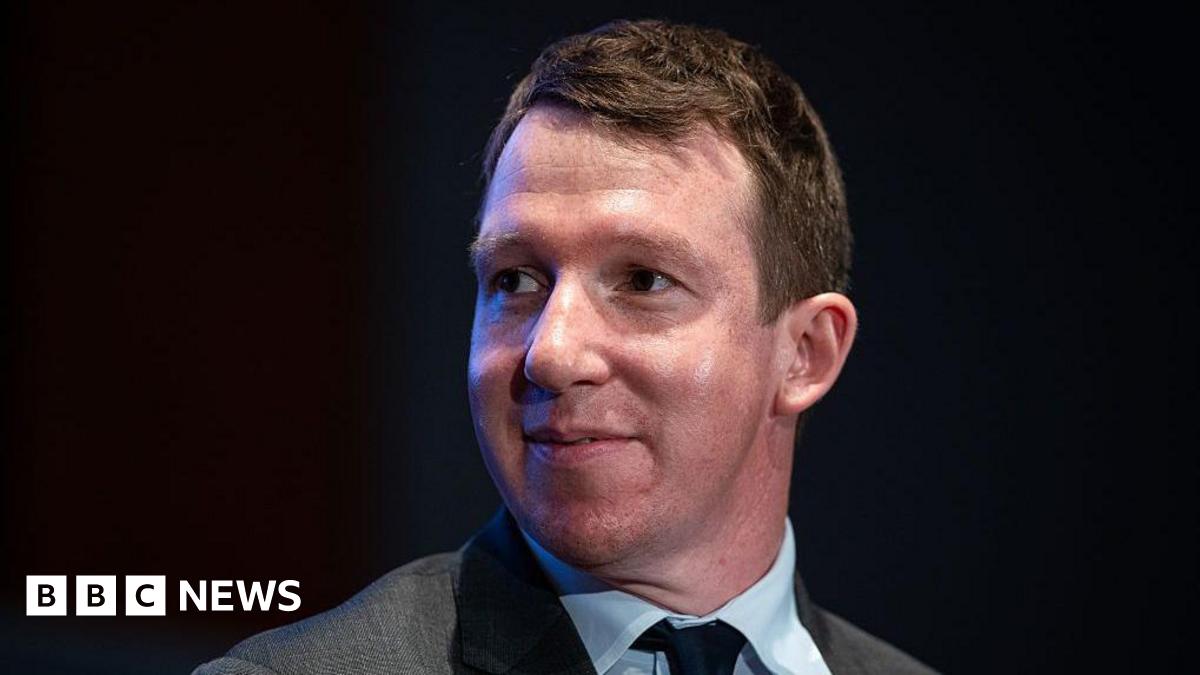

According to TicketData, the number of tickets on Fifa’s own site then rose to 37,000 on Wednesday, adding to the uncertainty around how the inventory is being managed. It is not possible to verify who listed the tickets or why the numbers changed so suddenly on Fifa’s platform.
The situation is not limited to SeatGeek. Thousands of listings also appear on resale sites including StubHub and Vivid Seats. These third-party marketplaces allow anyone to post listings, and in some cases the tickets may not even exist. SeatGeek said it is a trusted marketplace offering secure access to tickets across many live events, including the World Cup, but stressed that it has no partnership or distribution agreement with Fifa.
The platform’s listings have raised additional questions because of how they are priced. Rather than appearing random, the prices seem to move in small steps from row to row, getting slightly more expensive the closer the seats are to the front. For example, in two blocks behind the goal for Uzbekistan versus Congo DR, there were 60 listings for multiple tickets priced between $250 and $296 across blocks 102 and 103. This is notably below the face value of $380 for Fifa’s more expensive front tickets released in April, which made clear that seats nearer the pitch were intended to command higher prices.
That pricing pattern has fueled speculation about whether sellers are simply cutting losses or whether there is a broader effort to move inventory through resale channels. At this stage, it remains unclear who is behind the listings, whether all the tickets are genuine, and why the numbers on Fifa’s own site fluctuate so sharply.
Fifa has been approached for comment, but no response has been received. The lack of transparency around the listings and inventory changes has added to ongoing scrutiny of the World Cup ticket sales process, with fans left questioning how official resale and third-party marketplaces are interacting in practice.






/extras/conteudos/the-witcher-3-wild-hunt-blood-and-wine-anna-henrie_b4pj.png "The Witcher 3: CD Projekt Red Announces Special Blood and Wine Livestream")