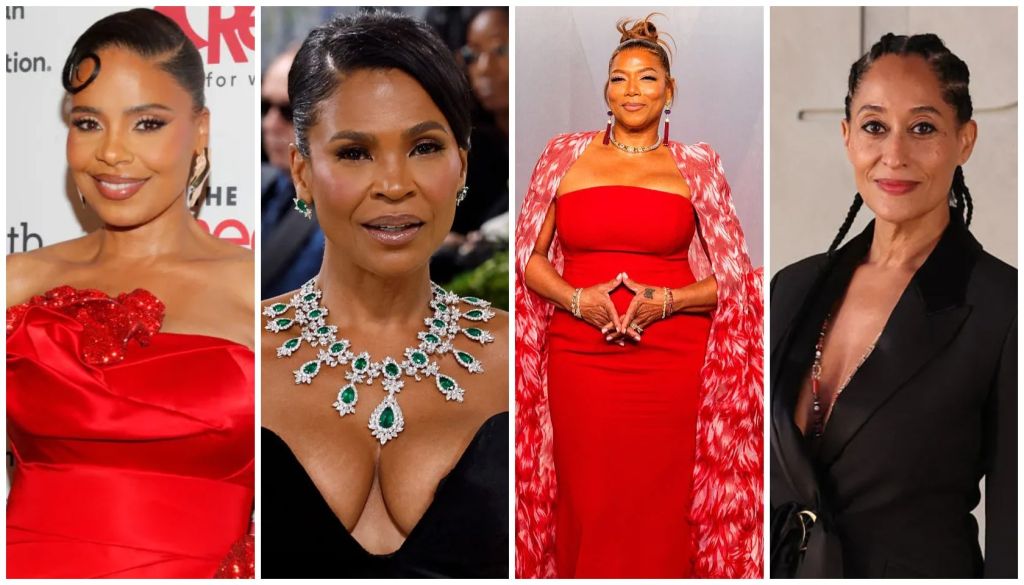
The 1990s were a defining era for Black beauty, music, fashion, and cultural influence, and the women of that decade continue to set the standard today. Long before filters, curated images, or artificial beauty ideals, Black women in the ’90s carried themselves with confidence, originality, and presence. Their looks were bold, their style was fearless, and their impact reached far beyond entertainment. From braided styles, pixie cuts, bamboo earrings, and streetwear blends to elegant red-carpet glamour, they helped shape a version of beauty that felt real, powerful, and enduring.
This reflection celebrates 21 women whose influence in the ’90s left a lasting mark on pop culture and whose relevance has only grown with time. Queen Latifah helped redefine what power looked like in hip hop and television, while Halle Berry became a symbol of beauty and talent on the big screen. Nia Long and Sanaa Lathan gave audiences a new vision of softness, intelligence, and effortless appeal. Jada Pinkett Smith brought edge and fearlessness to her roles, and Janet Jackson delivered an era of pop dominance that influenced generations of artists. Naomi Campbell changed the fashion industry with her global supermodel status, and Brandy became a mirror for young Black girls who rarely saw themselves reflected in mainstream media.

The list also honors artists who transformed music and culture through authenticity. Missy Elliott broke boundaries with originality and unmatched creativity. Regina King built one of Hollywood’s most respected careers through consistency and range. MC Lyte helped establish women’s authority in rap, while Gabrielle Union, Monica, and Mary J. Blige each brought their own blend of beauty, talent, and emotional truth to the decade. Faith Evans, Tisha Campbell, Meagan Good, Tracee Ellis Ross, Garcelle Beauvais, Eve, and Yo-Yo all contributed to an era where Black women could be funny, stylish, vulnerable, bold, athletic, glamorous, or streetwise without having to fit one narrow definition.
What connects all of these women is not just appearance, but legacy. Their beauty was never separate from their confidence, talent, or individuality. They represented a generation of Black women who were visible, influential, and unforgettable, not because they conformed, but because they refused to. In fashion, music, film, and television, they shaped the culture while remaining fully themselves.
The central message is clear: the women who were celebrated as fine in the ’90s did not fade with time. They evolved, matured, and expanded their influence. Their essence has remained intact, proving that real style, real presence, and real beauty do not expire. The ’90s may be remembered as a golden era, but the women who defined it are still shining, still relevant, and still setting the bar for what lasting cultural greatness looks like.