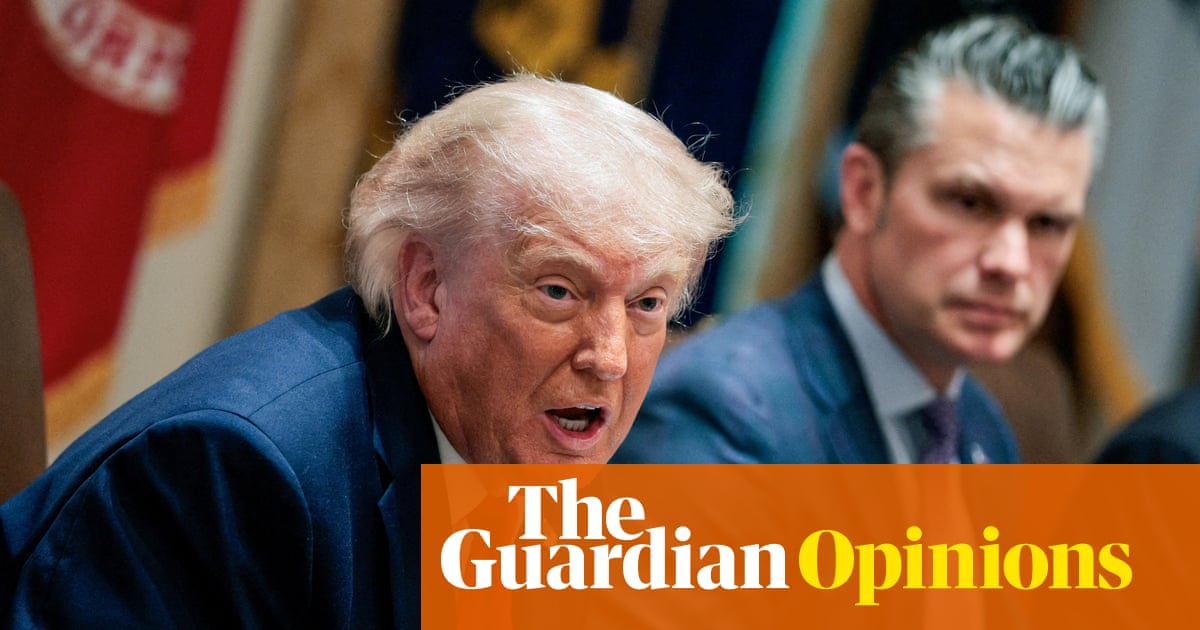
The article argues that American presidents have long hidden serious health issues from the public, citing Franklin D. Roosevelt, John F. Kennedy, and Joe Biden as examples of leaders whose physical or mental decline was concealed for political reasons. It says Donald Trump appears to fit this pattern of limited disclosure, but with warning signs that are difficult to ignore. The piece points to Trump’s late-night social media activity, increasingly erratic rhetoric, frequent insults, apparent drowsiness at public events, bruising on his hands, reduced travel, and long, rambling speeches as signs that raise questions about his condition.
The article says Trump, who will turn 80 on June 14, is the oldest person ever elected president and has now made another visit to Walter Reed hospital during his second term. It argues that the White House should explain what tests were performed and what the results showed, rather than relying on Trump’s own claims that he is in excellent health. The piece treats those claims skeptically, saying Trump has a long history of making false statements and is not a reliable source on his own condition.


The core argument is that the public has a legitimate interest in knowing whether the president is physically and mentally fit to serve. Because the office carries enormous power and responsibility, the article says normal expectations of medical privacy should not apply in the same way. It suggests that symptoms such as falling asleep during the day could point to a broader health issue, including possible dementia, and argues that such concerns should be addressed openly.
The article also frames the issue as larger than Trump alone. It calls for mandatory disclosure rules requiring presidents to report on both physical and mental health, so future administrations cannot hide decline behind vague assurances. It says that voters should not have to depend on guesswork, leaks, or partisan messaging to learn whether the commander in chief can perform the job.
Finally, the piece notes that public concern is already significant, citing a recent poll showing that fewer than half of US adults believe Trump has the mental sharpness or physical health needed to be an effective president. The article concludes that transparency about presidential health should be a requirement, not a choice, because the stakes are too high for secrecy, especially when the president’s decisions can affect the nation and the world.


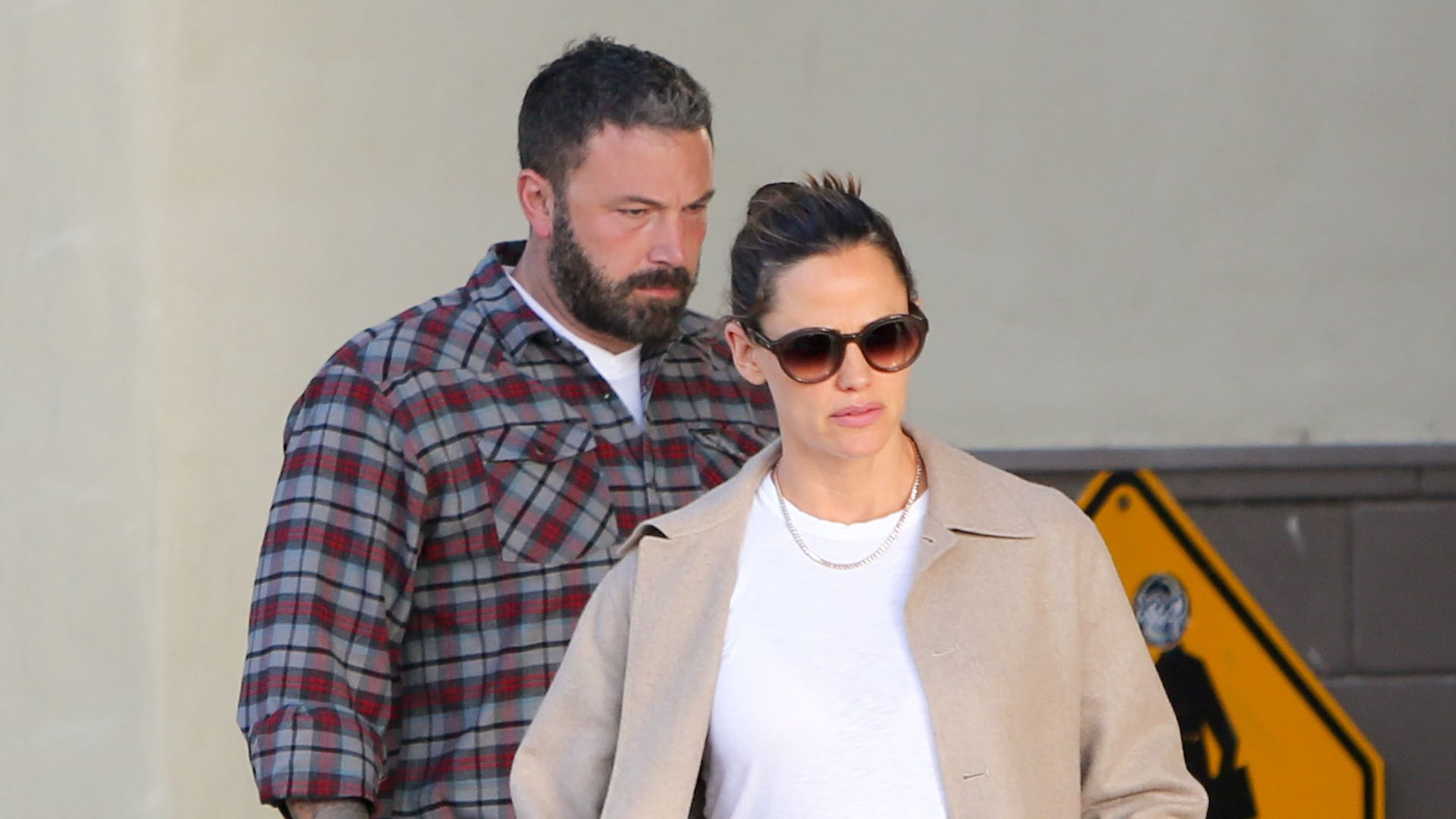 "Ben Affleck and Jennifer Garner Rush Daughter Violet to the ER")


/https://i.s3.glbimg.com/v1/AUTH_59edd422c0c84a879bd37670ae4f538a/internal_photos/bs/2026/E/T/lbWuDAS5mBEANsqDoIyQ/foto-g1.jpg "Woman Rescued at Sea: Video Shows Rescue After 3 Days")
