Brescia and Ascoli have built their success on one of the strongest defensive foundations in Serie C, with only Arezzo surpassing them in goals conceded overall. Even if Brescia and Ascoli had still shared the best defensive record, Arezzo’s slightly better numbers came in fewer matches, which only highlights how exceptional the two sides have been across a long and demanding season. Their performances show that there is more than one way to build defensive solidity, but both teams have used that strength as the platform for deeper progress.
For Brescia, the journey has been especially remarkable because the team has had to endure many difficulties while keeping its structure intact. The back line has repeatedly absorbed pressure, adjusted to changing circumstances, and protected the team when other areas were less stable. In the playoffs, that resilience has become even more visible: Brescia have conceded just one goal so far, the strike by De Boer in Salerno, despite having to play the quarterfinals and semifinals without a fully established central defender.


Injuries have forced coach Eugenio Corini to improvise, with Sorensen still unavailable and unlikely to return in time for the first leg of the final, while Pasini was only on the bench in the previous match and was never expected to start. Yet Brescia have managed to cover these absences with impressive discipline, and much of the credit goes to Luigi Silvestri.
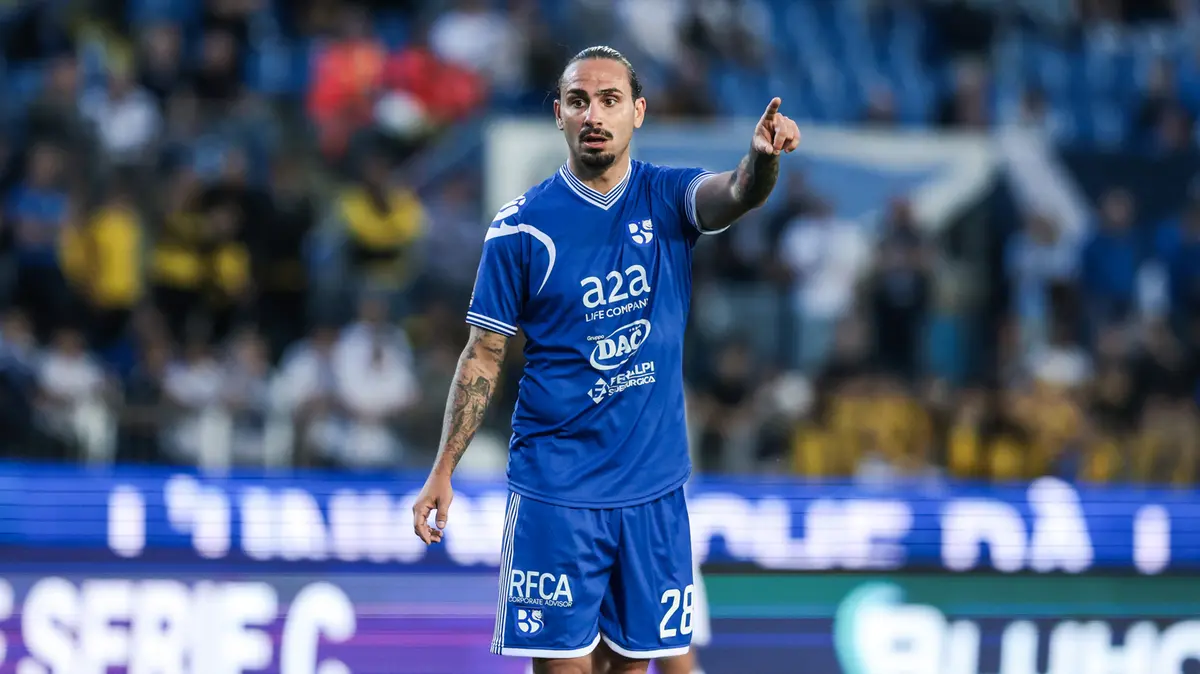
Silvestri has emerged as the key figure in Brescia’s defensive revival. He has become a leader, a stabilizing presence, and one of the team’s most influential players at the most important moment of the season. His rise has been particularly striking because it comes after a first half of the campaign affected by personal issues, before he gradually improved and arrived at the playoffs in strong form. He had already explained his turnaround months earlier after scoring against Inter, saying he had carried personal problems onto the pitch and wanted to repay the club.
The transformation has been significant. Silvestri, who is 33, is among the oldest players in the squad and has embraced the responsibility that came with being signed as an experienced over-30 player. He was brought in not only for his reliability on the field but also to serve as a mentor and guide for the younger players. That role has clearly suited him.
Although he originally played as a left-sided defender, necessity pushed him into a central role, and he has now become indispensable there. Corini’s trust has helped him grow into this position, both tactically and in the dressing room. His authority is now widely recognized by teammates, and his presence has helped Brescia maintain balance during one of the most demanding stretches of the season.
The story of Silvestri and Brescia is one of adaptation, leadership, and resilience. It still needs a final chapter worthy of what has come before.