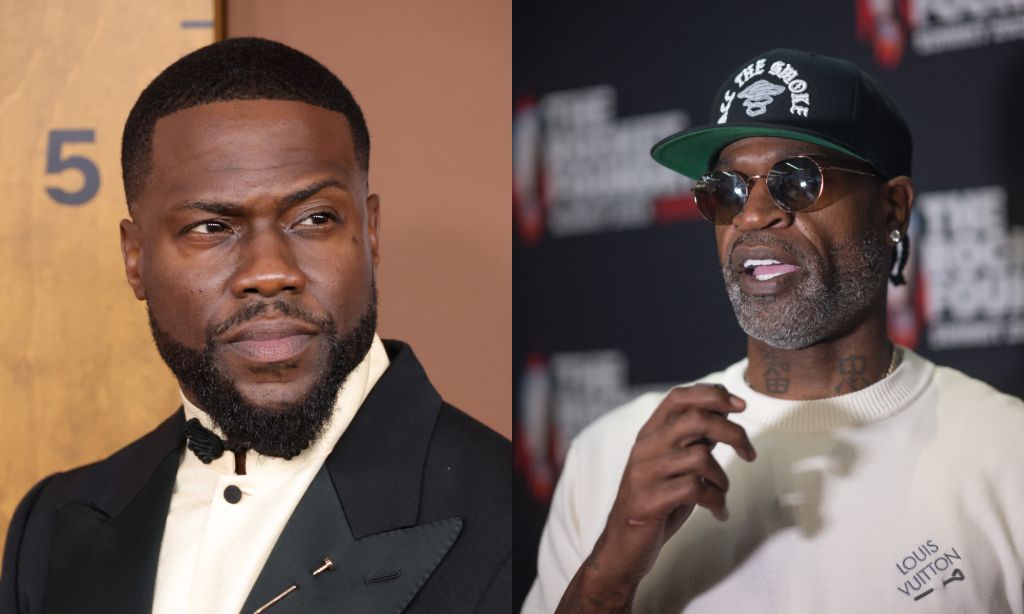
The celebrity endorsement business in 2026 looks very different from the old model of a star filming a short commercial for a fragrance, watch, or soft drink. Today, celebrities are more likely to attach their names to digital entertainment platforms, sports betting products, livestream events, or brand experiences that blend content, commerce, and live audience engagement. The shift has been gradual but significant, and it is now visible across entertainment coverage, trade reporting, and mainstream celebrity media.
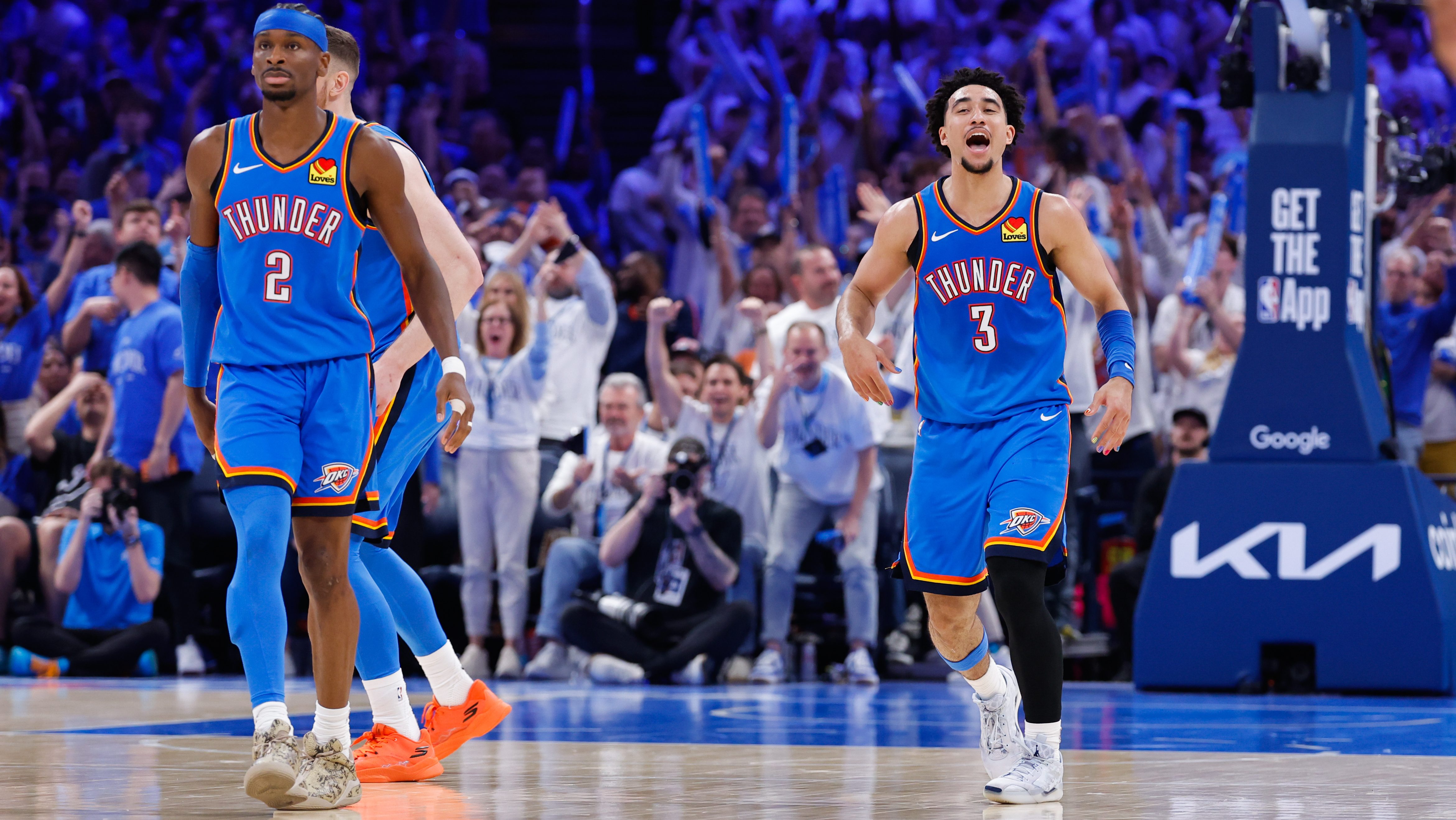
High-profile names such as Drake, Jamie Foxx, Kevin Hart, Ben Affleck, Shaquille O’Neal, J.B. Smoove, Vince Vaughn, Wayne Gretzky, Connor McDavid, Shai Gilgeous-Alexander, and Charles Barkley have become associated with campaigns for platforms that did not exist in the public spotlight a few years ago. These partnerships now appear not only in industry newsletters but also on morning shows, tabloids, social feeds, and red-carpet coverage. Celebrity reporting has begun treating these deals as part of the broader story of a star’s career rather than as isolated advertising announcements.

The article says talent agencies have reorganized around this new market. Brand-partnership teams now work alongside the traditional film, music, and beauty desks, and modern deals often include more than a simple campaign fee. Contracts can involve content calendars, livestream appearances, social media schedules, live-event activations, and sometimes equity stakes. As a result, trade publications and entertainment media increasingly track which celebrity closed which deal and with which platform.
Athletes are described as the quiet engine of this endorsement era. Their credibility, existing fan bases, and connection to game-day media make them natural fits for wagering-adjacent and sports entertainment partnerships. This has pushed celebrity coverage to focus more heavily on sports figures in the same way it once focused on actors and musicians.
The piece also argues that the tone of celebrity journalism has changed. Where earlier coverage treated digital-entertainment endorsements with skepticism, outlets now approach them more like fashion contracts or fragrance launches. Reporters are more willing to frame these decisions as part of a celebrity’s broader career strategy, especially as equity and long-term ownership become more important than one-time cash payments.
Awards weekends, red carpets, and brand activations now overlap into a single promotional cycle, with celebrity stories unfolding across carpets, podcasts, interviews, and after-parties. The overall message is that celebrity endorsement in 2026 is no longer a side story. It has become a core part of how fame, business, and pop culture operate together.