Parama Ekadashi 2026: Is It on June 10 or 11? Know the Auspicious Time, Worship Method, and Remedies

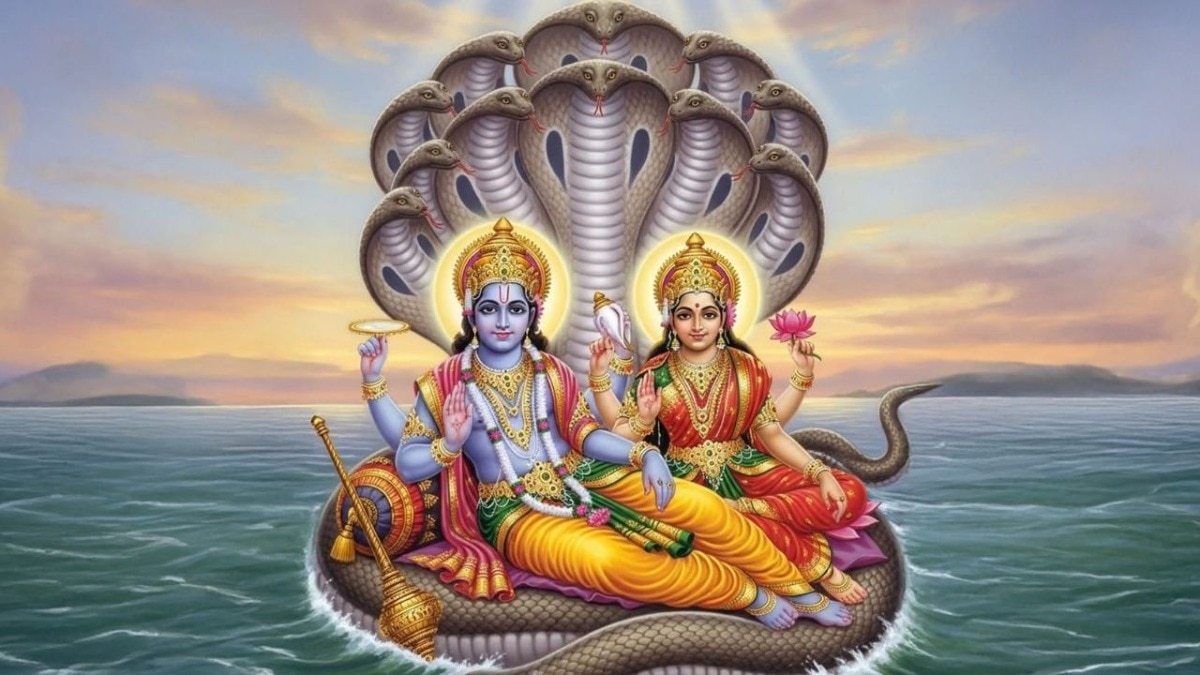
Parama Ekadashi 2026 is being observed as a rare and highly significant Hindu fasting day that occurs only during Adhik Maas, or the extra lunar month, and roughly once every three years. Unlike the regular 24 Ekadashis observed each year, Parama Ekadashi does not come annually, which is why it is regarded as special and spiritually powerful. According to the Hindu calendar, when Adhik Maas falls, the Ekadashi of Krishna Paksha is called Parama Ekadashi. Devotees consider it the “supreme” Ekadashi because it is believed to grant liberation, peace, and divine blessings.
This year, there has been some confusion about the date, but the fast will be observed on June 11, 2026. The Ekadashi tithi begins at 12:57 a.m. on June 10 and ends at 10:36 p.m. on June 11, making June 11 the appropriate day for the vrat. On this day, two auspicious yogas, Sarvartha Siddhi Yoga and Shobhan Yoga, are also forming. These are considered highly favorable for important tasks and are believed to improve the chances of success, especially in business and career-related efforts.


Religious texts describe Parama Ekadashi as a vrat that brings exceptional merit. Devotees worship Lord Vishnu and Goddess Lakshmi on all Ekadashis to seek freedom from sins and the attainment of virtue, but Parama Ekadashi is believed to hold even greater value because it is associated with moksha, or liberation. Mythological accounts mention that Kubera, the god of wealth, observed this fast and was rewarded with the position of treasurer of the gods. Similarly, King Harishchandra, who had lost his kingdom, family, and prosperity, is said to have regained everything through the power of this vrat. These stories are widely cited as examples of the fast’s ability to restore fortune, stability, and dignity.
Parama Ekadashi is also described as yielding results equal to those of an Ashwamedha Yajna, one of the grandest Vedic sacrifices. Lord Krishna is believed to have told Arjuna that anyone who observes this fast with devotion and worships Lord Vishnu on this day attains Vaikuntha, the divine abode of Vishnu. Because of these beliefs, the day is seen as deeply auspicious for prayer, discipline, and spiritual practice.
The recommended observance begins a day earlier, on June 10, with light eating and no heavy meal at night. Devotees are advised to wake up during Brahma Muhurat, bathe, clean the home temple, and light a lamp. Images or idols of Lord Vishnu and Goddess Lakshmi are installed or honored, with yellow flowers offered to Vishnu and red flowers to Lakshmi. Ritual bathing with Gangajal, application of tilak, offering rice grains, fruit, sweets, and tulsi leaves, followed by aarti, are part of the worship. The mantra “Om Namo Bhagavate Vasudevaya” is traditionally chanted 108 times. In the evening, devotees perform पूजा again, sing devotional songs, and pray for their wishes.
Believers say the vrat brings mental calm, stability, positive energy, prosperity, relief from obstacles, and spiritual growth.





/https://i.s3.glbimg.com/v1/AUTH_59edd422c0c84a879bd37670ae4f538a/internal_photos/bs/2026/C/X/UBfoahQxmtZh6q4OWXlQ/co-2026-06-05t200930.750.jpg "Maiara’s Health Is Excellent, Says Team After Controversy")