World Cup fever is already sweeping Buenos Aires, but in Argentina the buildup to the tournament includes more than TV ads, special meal deals, clothing launches, and football chatter. For many people, the real obsession is the Panini sticker album, a tradition that has grown from a childhood pastime into a citywide and familywide ritual. The rush to collect, trade, and complete the album has turned streets, shops, and online groups into active marketplaces ahead of the 2026 FIFA World Cup.
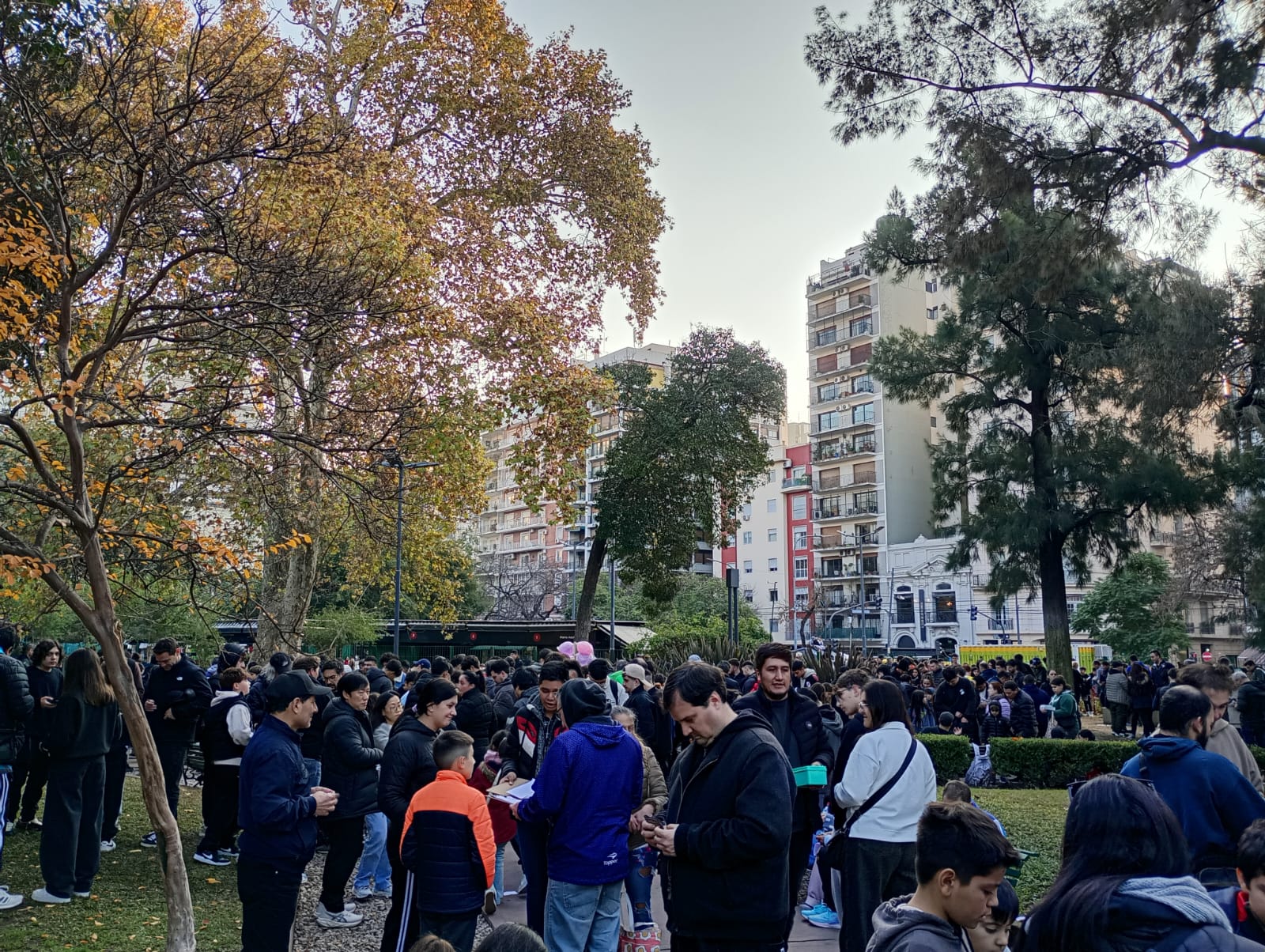
Parque Rivadavia in the Caballito neighborhood has become the center of that frenzy. Known for decades as a meeting point for books, comics, records, and other collectibles, the park is now packed on weekends with families, children, teenagers, and adults chasing stickers for the World Cup album. The usual quiet rhythm of the area has been replaced by constant negotiation, with collectors calling out numbers, checking lists, and swapping duplicates in hopes of finding the missing pieces.
The sticker trade has spread far beyond the park. WhatsApp groups, Mercado Libre listings, and posts on Instagram, TikTok, and Facebook reflect how deeply the craze has taken hold. Newsstands and stores across Buenos Aires have also become busy as demand rises. Some collectors are aiming simply to finish the album, while others are trying to secure rare stickers, keep valuable duplicates, or even sell them later.
The 2026 album is a major undertaking. With 48 countries participating, it includes 112 pages and 980 stickers in total. In Argentina’s strained economy, completing it can cost far more than many expect. Collectors say the full album, plus the stickers needed to finish it, can cost more than AR$300,000, not including duplicates. That figure is especially striking in a country where the minimum wage is far lower, making trading essential for most participants.
The park scene is lively and often chaotic. Children stand in clusters counting stickers at high speed, while others hurry from one group to another trying to secure a deal. Some collectors shout out special brand-sponsored stickers, while others make phone calls to coordinate trades and hold a place in line. The market works on simple supply and demand: common stickers are easy to swap, while rare or popular ones can be exchanged for many others.
Among the most coveted stickers are those featuring Lionel Messi, Cristiano Ronaldo, Kylian Mbappé, and Erling Haaland. Gold stickers and national team crests are also highly valued. Yet the sticker economy can produce surprises. A previously obscure New Zealand player, Tim Payne, has recently become one of the album’s most sought-after names after going viral online, showing how quickly a sticker’s value can change.
For many families, the album is both a hobby and a financial commitment. Some say they have already spent hundreds of thousands of pesos, while others hope to recoup costs by selling a completed album or rare extras. Still, the social appeal remains central: the hunt, the bargaining, the wins, and the disappointments are all part of the World Cup experience in Buenos Aires.