Touré and Irankunda: Australia’s New Faces Ahead of the 2026 World Cup Group D Clash with Turkey

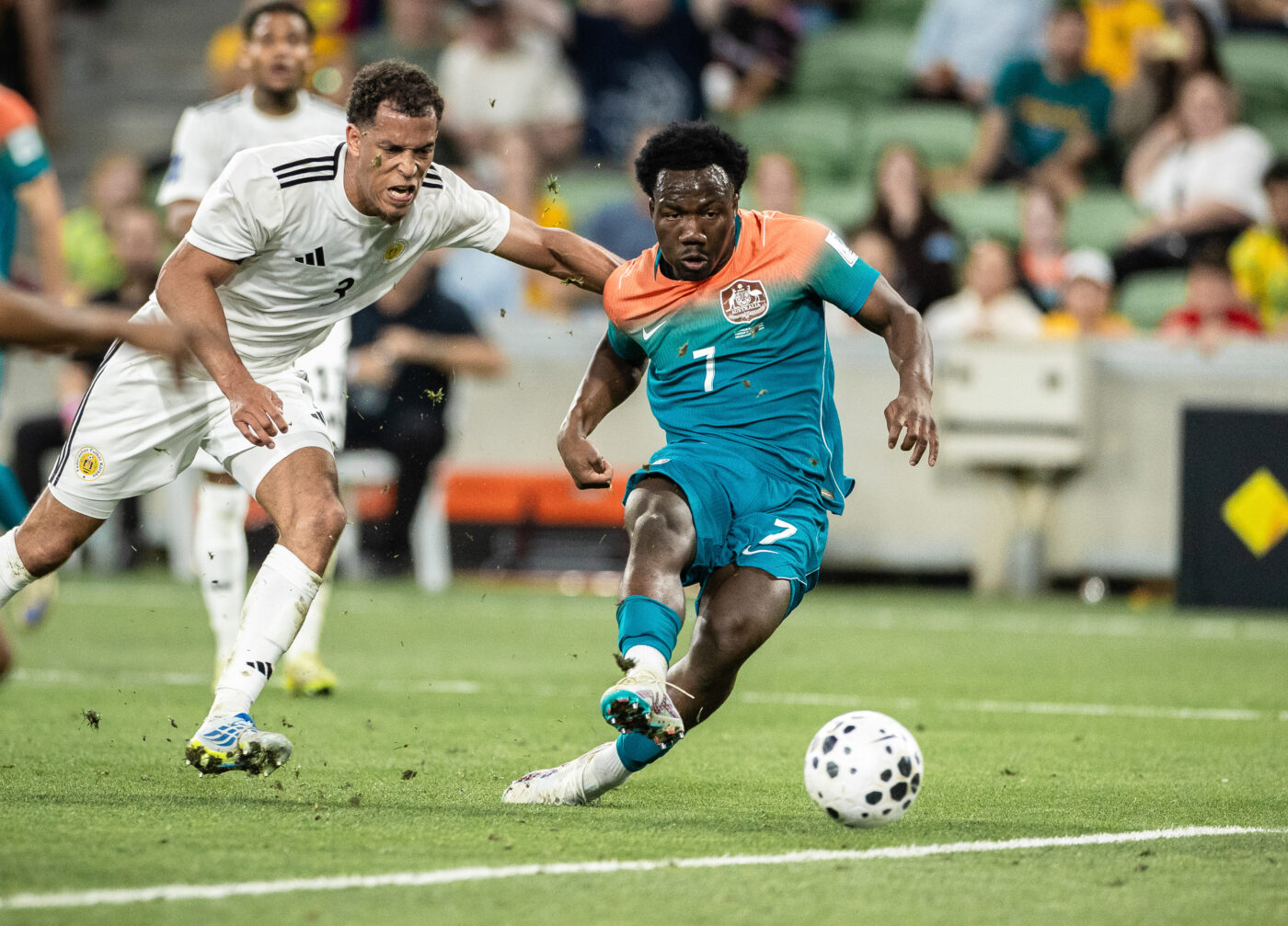
Mohamed Touré and Nestory Irankunda have become two of the most striking symbols of Australia’s evolving national football team, the Socceroos. Both young forwards, aged 22 and 20, have impressed in the Championship this season and earned places in Tony Popović’s squad for the World Cup. Touré, who comes from a family of six brothers and has played in France before thriving at Norwich, and Irankunda, known for his flair, backflips, and dance-like goal celebrations, represent a new generation of Australian talent shaped by migration and diversity.
Their personal stories are closely linked. Touré and Irankunda grew up together in Adelaide after being born in refugee settings in Africa. Touré, originally from Guinea, first met Irankunda, who was born in Tanzania to Burundian parents, during a school football match. After recognizing each other’s talent, they began playing together in the park and formed a lasting friendship. Their journey reflects the multicultural reality of modern Australia, where successive waves of migration have profoundly transformed society and sport.

The article traces how Australia moved away from the restrictive “White Australia Policy,” which for decades limited non-European immigration, toward a more diverse nation. From the 1940s onward, Australia encouraged immigration to strengthen population growth, first welcoming many Europeans, especially Italians and Croatians, who played a major role in spreading football across the country. Later, the end of discriminatory immigration policies opened the door to arrivals from Southeast Asia and Africa, changing both the population and the national team. This shift is visible in the increasing number of Socceroos with African heritage.
In South Australia, and especially Adelaide, African communities have helped create a new football pipeline. Local African Cup competitions are now common, with Adelaide’s tournament among the best known. Former striker Bruce Djite, himself of Ivorian descent and now an Adelaide United executive, sees Touré and Irankunda as powerful inspirations for young players in the city. He says that if they played locally, nearly every young footballer would admire them.
The significance of their rise also extends beyond sport. In a country where the far right has gained ground in recent years, the presence of several African-born or African-descended players in the national squad stands as a strong symbol of inclusion and change. Touré is one of several players of African origin in Popović’s World Cup group, underscoring how the team increasingly depends on migrant backgrounds. The article presents this as a broader answer to nationalist politics, with football serving as a visible expression of Australia’s multicultural identity.
Awer Mabil, another Socceroo born in a refugee camp in Kenya after his family fled war in South Sudan, is also highlighted as a mentor to Touré and Irankunda. Together, these players embody a new footballing Australia: faster, more vertical, and less reliant only on defensive structure and set pieces. While experienced figures such as Harry Souttar remain important, the team now blends physical strength with explosive attacking talent. The article concludes that this mix of cultures, styles, and life stories may define the future of the Socceroos at the World Cup.